
Hello from Canmore!
I’m home, which is a bit unusual for me lately. This year has been busy with stops in Ecuador (twice), Patagonia, Los Angeles, Indonesia, India, Arizona, Alaska, and Vancouver Island. But as usual, I won’t be home for long. Tomorrow, I leave for Katmai National Park, where I’ll be camping for 21 straight days with brown bears. Here is one of my favorite photos from last year.
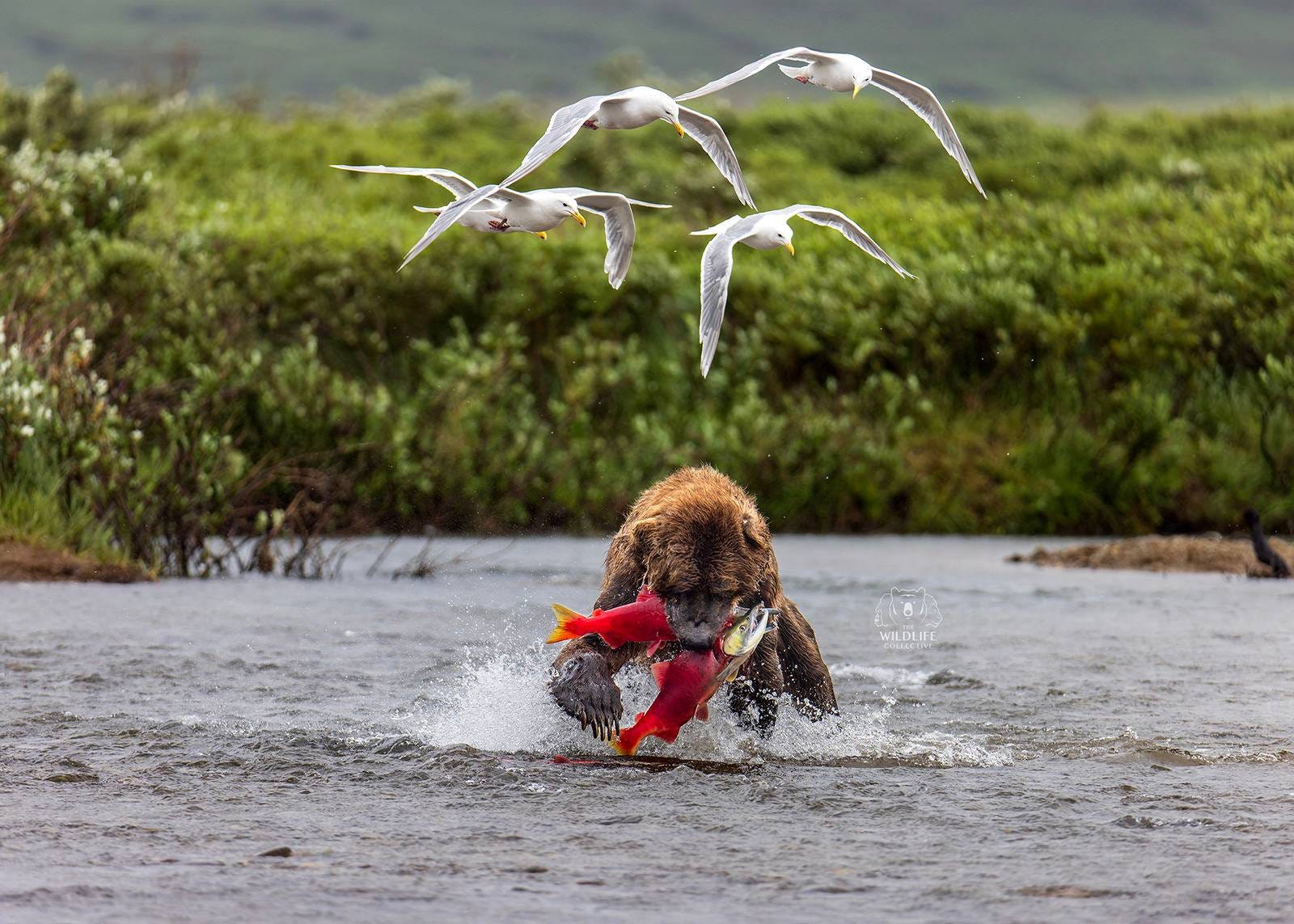
We just had two cancellations for August 8-12, opening up an incredible opportunity for anyone interested in a unique wildlife experience. Imagine standing just a few feet away from majestic bears as they catch red salmon right in front of you! This is a rare chance to witness one of nature’s most thrilling spectacles up close. Please let me know ASAP if you’re interested!
New Resources for You
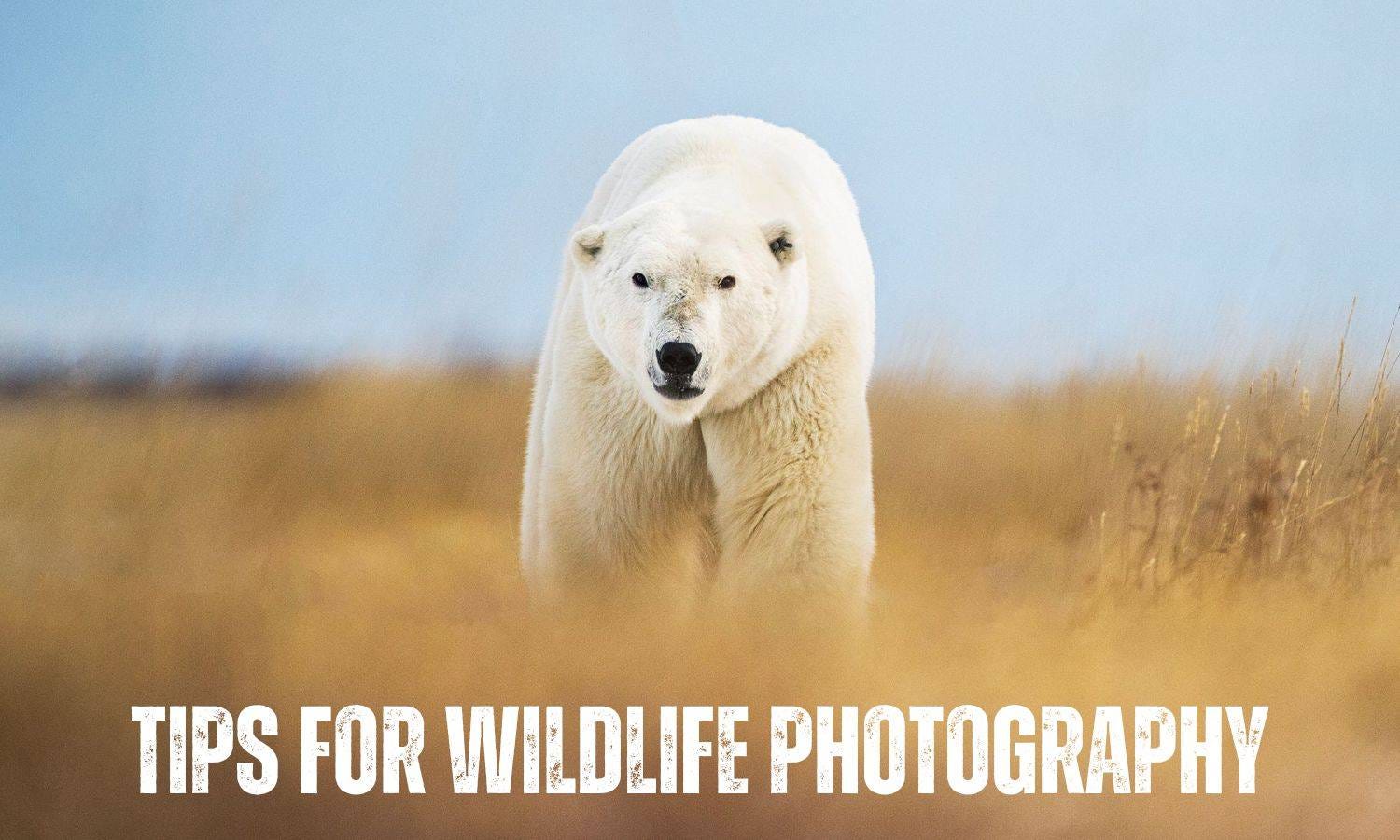
I’ve just published a new blog post featuring my top 10 Tips for Wildlife Photography. Whether you’re a seasoned professional or just starting out, these tips will help you elevate your photography skills. From understanding animal behavior to mastering the right camera settings, this post covers everything you need to capture stunning wildlife shots. Don’t miss out on these valuable insights that can transform your approach to wildlife photography. Check it out and take your photography to the next level!
Upcoming Tours
We have some exciting tours coming up, and a few spots have just opened due to recent cancellations. If you’re interested in joining us for an unforgettable adventure, please let us know!
Kamtai Bear Camp
Dates: July 27-31, 2024 (full)
Location: Katmai, Alaska, USA
Leaders: Zac Mills & Scott Stone
Fishing Bear Camp
Dates: August 8-12, 2024 (2 spots left)
Location: Katmai, Alaska, USA
Leaders: Zac Mills & Scott Stone
Spirit Bears
Dates: Sept 30 – Oct 4, 2024 (2 spots left)
Location: Great Bear Rainforest, BC, Canada
Leader: Zac Mills & Scott Stone
Our Photo Tours
Ready to take your photography to next level and experience incredible wildlife encounters?
Conservation News
I am heartbroken by the devastating news from Jasper, an idyllic mountain town in the Canadian Rockies that I’ve visited many times. Just a 3.5-hour drive from my home, Jasper holds a special place in my heart. The town was evacuated two days ago, and this morning’s footage shows the shocking aftermath of the wildfires. It appears that much of the town has been destroyed, with the loss of infrastructure and the impact on wildlife being truly staggering. As we continue to grasp the full extent of this disaster, it is a painful and urgent reminder of the severe impact of climate change on our world.
In other news, the Alberta Government has decided to reopen the grizzly bear hunt—a decision made by ministerial decree without any scientific basis or public consultation. As someone who deeply cares about wildlife and has a strong connection to these incredible creatures, I am both outraged and resolute in my commitment to fight against this decision. I urge you to read more about what’s happening and use the template provided to send your own letter. Your support can make a difference.
Question of the Week
How do you approach safety and ethical considerations when photographing bears?
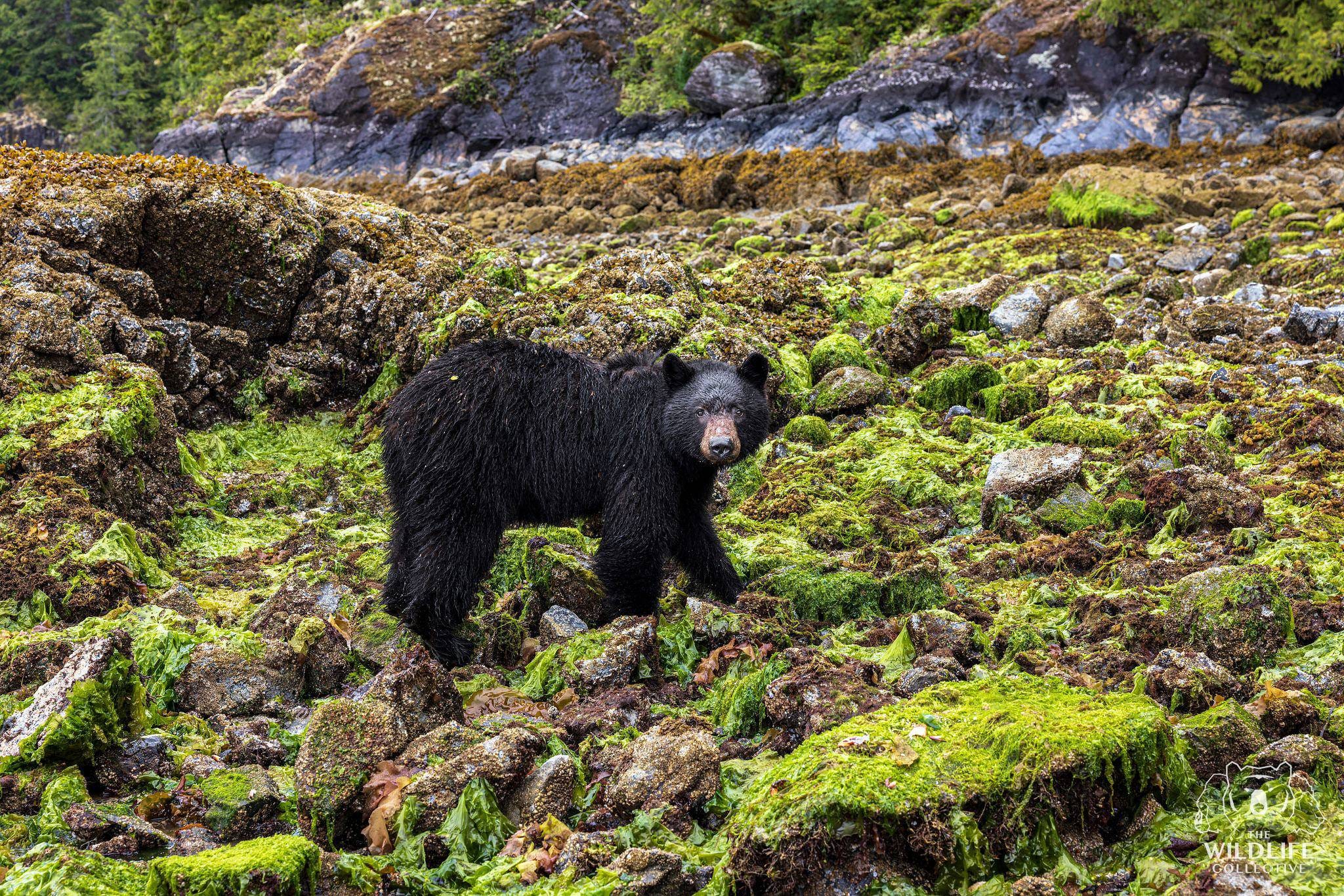
When photographing bears, safety and respect are paramount. Our goal is to capture images of bears in a relaxed state and to leave the encounter when they are still in a relaxed state. We never push or chase bears—or any wildlife—to get a better shot.
Key principles include:
We do not approach bears directly. Instead, we select a spot and allow the bear, if it chooses, to come closer to us.
We avoid eating food in front of bears.
We ensure that the bear can see us and use a calming voice when speaking.
We choose locations where bears are accustomed to human presence and have ample food sources, which helps keep them relaxed. This is in contrast to interior grizzlies, who are often food-stressed after hibernation.
We are knowledgeable about bear behavior and will leave if we sense that a bear is becoming stressed.
We always carry bear spray as a precaution, but with proper practices, its use is unlikely.
For more information on wildlife ethics, you can read my guide.
I love hearing from you! Feel free to reply to this email with any questions, feedback, or just to share your latest wildlife photos.
Thank you for being a part of The Wildlife Collective community. Stay tuned for more updates, tips, and incredible wildlife encounters!