
Today, I’m heading back to one of the places that changed my life: the rainforests of Sumatra. It’s hard to put into words just how much this journey means to me. Of all the wildlife experiences I’ve had over the years—from the Arctic tundra to the Andes—spending time with the critically endangered Sumatran orangutans remains one of my most meaningful and moving encounters. These incredible great apes, with their soulful eyes and quiet intelligence, have a way of looking right through you. Being in their world, even briefly, is something that stays with you forever.
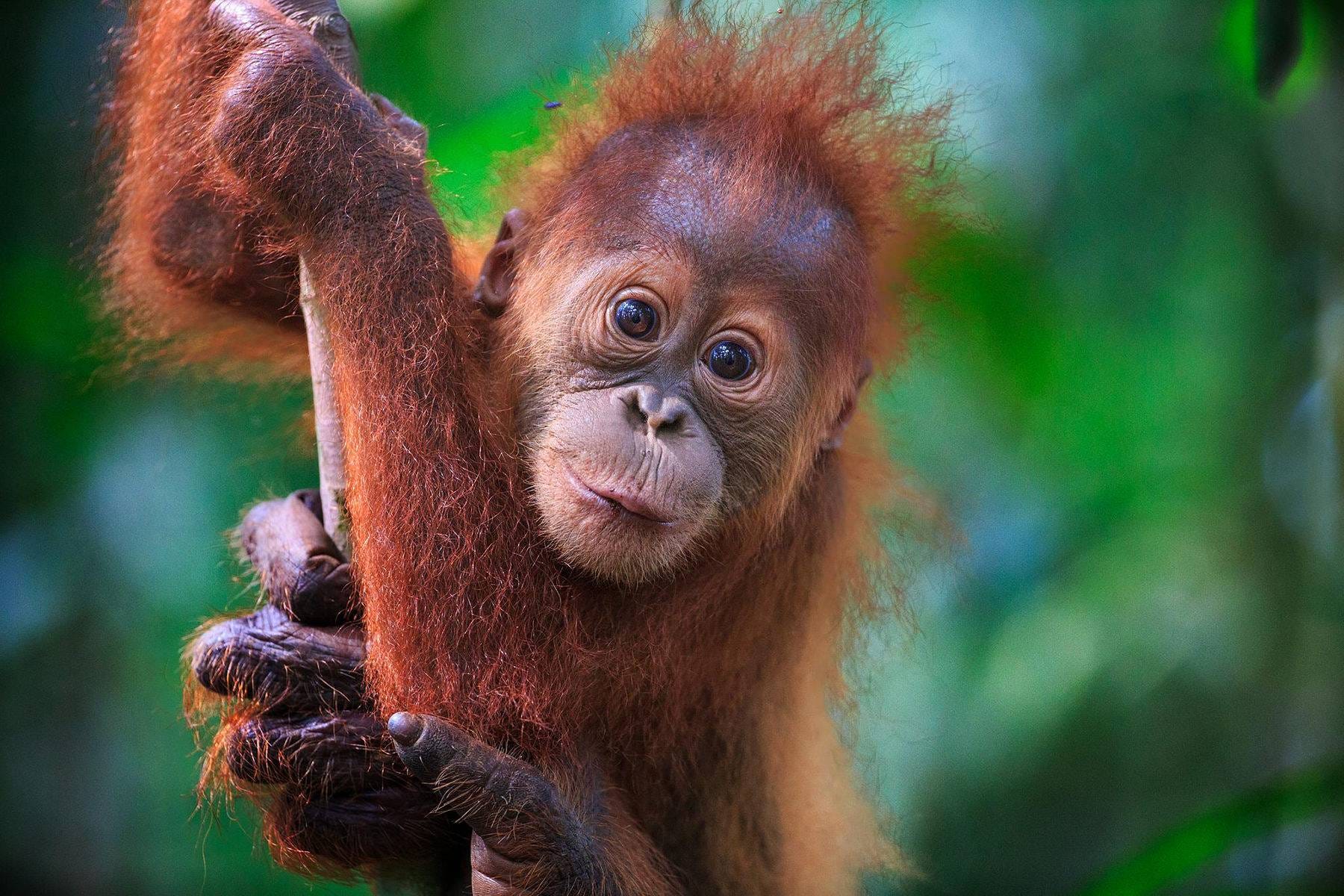
This trip marks over twelve years of working alongside the Sumatran Orangutan Society (SOS)—an organization whose work I deeply admire and support. SOS isn’t just about protecting orangutans; it’s about protecting everything that allows them to thrive: the forest, the biodiversity within it, and the communities who live alongside it. They’ve helped pioneer holistic conservation—restoring forest corridors, reforesting degraded land, and empowering local people to become stewards of the land.
One of those people is Darma, a long-time friend and one of the most inspiring conservationists I’ve had the honor of knowing. Darma leads Nature for Change, a grassroots nonprofit working in the Leuser ecosystem—the last place on Earth where orangutans, tigers, rhinos, and elephants still coexist in the wild. Darma’s passion for the forest is contagious. He doesn’t just talk about change—he lives it, every single day. Over the years, we’ve shared countless hours in the field, photographing wildlife, and strategizing ways to make conservation more inclusive and locally driven.
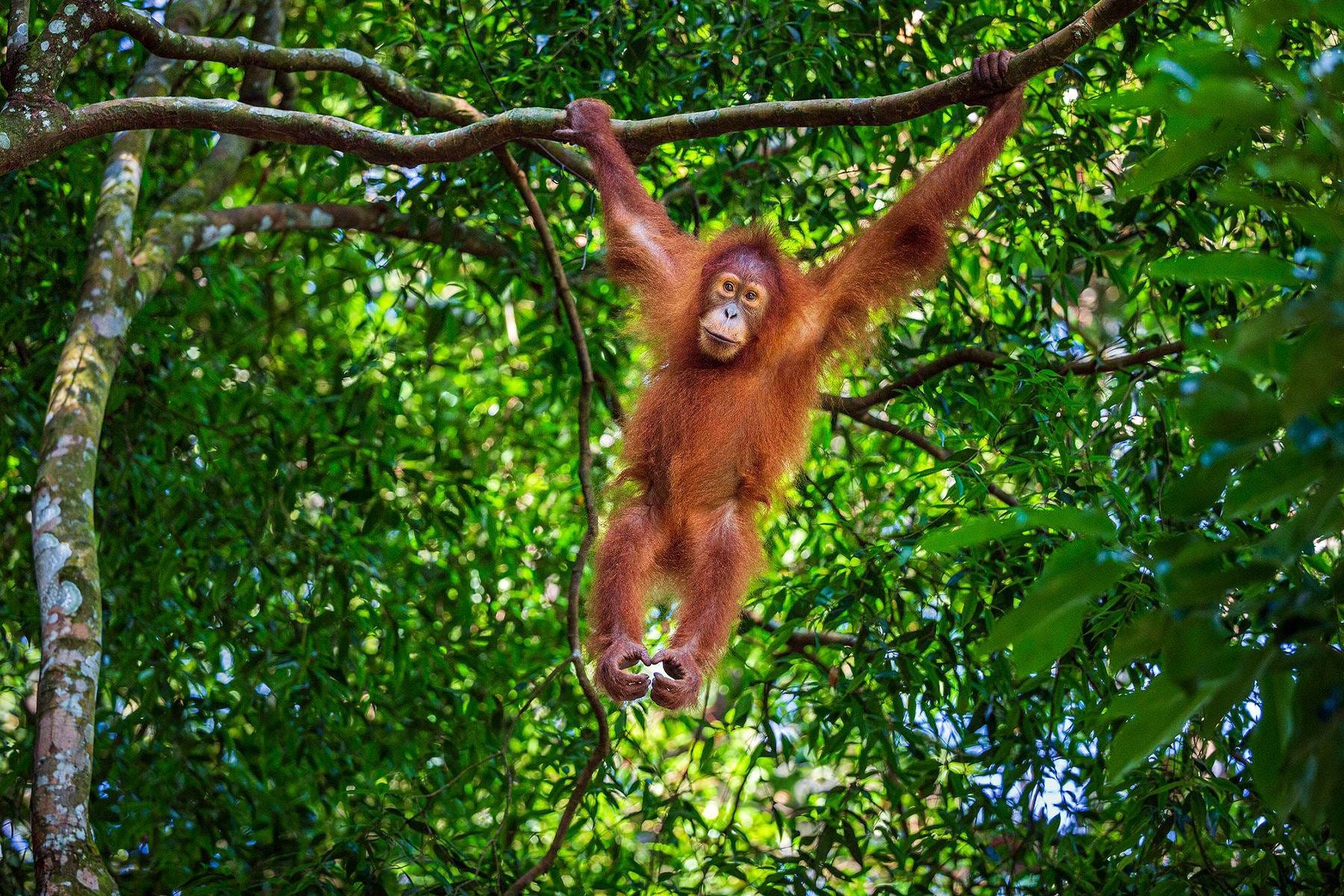
This time, I won’t be alone. I’m bringing a small group of guests with me—wildlife enthusiasts who are about to see one of the most awe-inspiring sights in the natural world: a wild orangutan, swinging through the canopy, foraging with slow, deliberate grace. We’ll hike through the jungle, guided by local trackers, listening for the rustle of leaves or the soft kiss-like call of a female orangutan to her young. And we’ll talk—about conservation, about coexistence, about how these moments of connection can inspire action.
Because the truth is: Sumatra’s forests are vanishing fast. Palm oil expansion, illegal logging, and encroachment are carving up the habitat of these great apes. But there is still hope—thanks to people like Darma, thanks to organizations like SOS, and thanks to everyone who chooses to support ecotourism that gives back to the land and its guardians.
For me, this return to Sumatra isn’t just another wildlife trip. It’s a homecoming. A chance to reconnect with old friends—both human and orangutan. A chance to show others the magic of these forests. And a chance to keep telling the stories that matter.
Let’s go find the red apes.
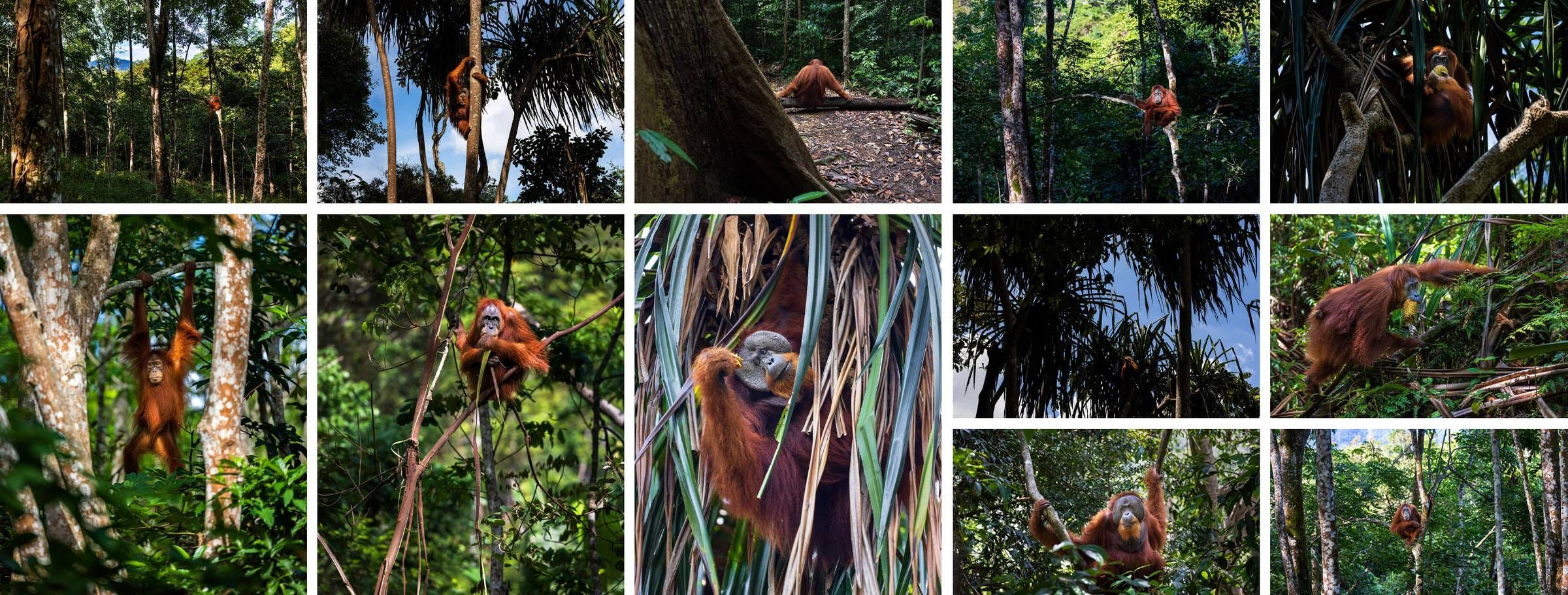
Favorite Orangutans Photos from 2024
Here you’ll find a collection of my favorite orangutan photos from last year—each one capturing a special moment in the wild. From tender interactions between mothers and their babies to powerful portraits of solitary males, these images reflect the beauty, emotion, and individuality of these incredible great apes.
Quote of the Week
Chimpanzees, gorillas, orangutans have been living for hundreds of thousands of years in their forest, living fantastic lives, never overpopulating, never destroying the forest. I would say that they have been in a way more successful than us as far as being in harmony with the environment.
— Jane Goodall
Conservation News
What We Lose When We Lose the Forest
In April 2025, a troubling report from Mongabay highlighted the ongoing deforestation in Borneo, where palm oil company PT Equator Sumber Rezeki (ESR)—part of the First Borneo Group—began clearing critical orangutan habitat in West Kalimantan province. Despite only partial clearing so far, conservationists warn that ESR plans a major expansion, risking the loss of up to 10,000 hectares (about 25,000 acres) of vital forest. This isn’t just another patch of green on a map—it’s part of a living, breathing ecosystem that orangutans, and countless other species, call home.
The orangutan’s greatest threat is, and has always been, habitat loss. These great apes—so closely related to us—once roamed freely across the vast forests of Southeast Asia. Now, those forests are being cleared for timber, burned for agriculture, and replaced with endless rows of oil palm. Each bulldozer that moves through the jungle cuts deeper into the orangutan’s last strongholds.
Today, there are just over 100,000 Bornean orangutans left in the wild. The Sumatran orangutan population has dwindled to around 14,000. Most critically, the recently identified Tapanuli orangutan, living in a remote part of northern Sumatra, has been reduced to fewer than 800 individuals—making it the most endangered great ape on Earth.
For perspective: in the last century, orangutan populations have declined by more than 50%. They are disappearing faster than they can reproduce. And because orangutans only give birth once every six to eight years, their recovery is painstakingly slow—even under ideal conditions.
But ideal conditions are rare these days. The palm oil industry, illegal logging, mining, and infrastructure projects continue to push deeper into primary rainforest. In many cases, these incursions are happening in areas long identified as key habitat or wildlife corridors—critical for ensuring isolated populations don’t go extinct.
This is where we, as consumers, come in. Palm oil is everywhere—in snacks, cosmetics, detergents, shampoos, candles, even biofuels. Often, we use products containing palm oil every day without realizing it, because it goes by many names and is rarely labeled clearly. There is nothing inherently wrong with palm oil itself. In fact, it’s an incredibly efficient crop, yielding far more oil per acre than alternatives like soy or coconut. But the way it is often produced—by clear-cutting irreplaceable primary forests—comes at an unbearable cost.
We must demand better: for transparency in labeling, for meaningful enforcement of sustainable sourcing standards, and for a fundamental shift in how we value the natural world. Because the forest that is cut down for a new plantation does not grow back. Not in our lifetime. Not ever as it was.
What we’re fighting for isn’t just a species—it’s a legacy of wildness, wisdom, and wonder. Orangutans have lived in these forests for millions of years. They are keystone species, essential to the health of the rainforest. Where orangutans thrive, so do countless plants, animals, and the local communities that depend on a functioning ecosystem.
There’s still time to turn the tide. But only if we act now—protecting habitat, enforcing environmental laws, and supporting the incredible local conservation efforts already making a difference. Because once the forest is gone, it’s gone. And the silence it leaves behind will be deafening.
Upcoming Tours
We have some exciting tours coming up, and there are still a few spots available! If a tour you’re interested in is listed as full, feel free to reach out—we may be able to add more dates. We’re now booking tours through 2026, and you can also inquire about private tours or additional destinations not currently listed. Don’t miss the chance to join us on these unforgettable wildlife experiences!
2025
ORANGUTANS — May 8-15 (full)
ORANGUTANS — May 15-22 (full)
MOUNTAIN GORILLAS — June 13-18 (2 spots)
BIG CATS & GREAT MIGRATION — June 18-25 (full)
BEARS & RED FISH 1 — Aug 2-7 (1 spot)
BEARS & RED FISH 2 — Aug 7-11 (1 spot)
BEARS & RED FISH 3 — Aug 11-15 (full)
BIG CATS & GREAT MIGRATION — Sept 8-15 (4 spots)
SPIRIT BEARS — Sept 29 – Oct 3 (full)
HOKKAIDO BROWN BEARS — Oct 9-17 (1 spot)
CHURCHILL POLAR BEARS — Nov 1-6 (full)
CHURCHILL POLAR BEARS — Nov 6-13 (full)
MOUNTAIN GORILLAS — Nov 22-28 (full)
MOUNTAIN GORILLAS — Nov 30 – Dec 5 (3 spots)
KENYA BIG CAT SAFARI — Dec 5-12 (4 spots)
Click to see our full list of tours
I love hearing from you! Feel free to reply to this email with any questions, feedback, or just to share your latest wildlife photos.
Thank you for being a part of The Wildlife Collective community. Stay tuned for more updates, tips, and incredible wildlife encounters!