
Sometimes the best wildlife adventures begin with a change of plans.
Since arriving in Alaska, our schedule has shifted more than once thanks to weather, logistics, and the simple reality that nature doesn’t care about itineraries. But every now and then those unexpected changes turn into extraordinary opportunities.
Ours came in the form of an unexpected return to Brooks Falls before heading into our remote bear camp.
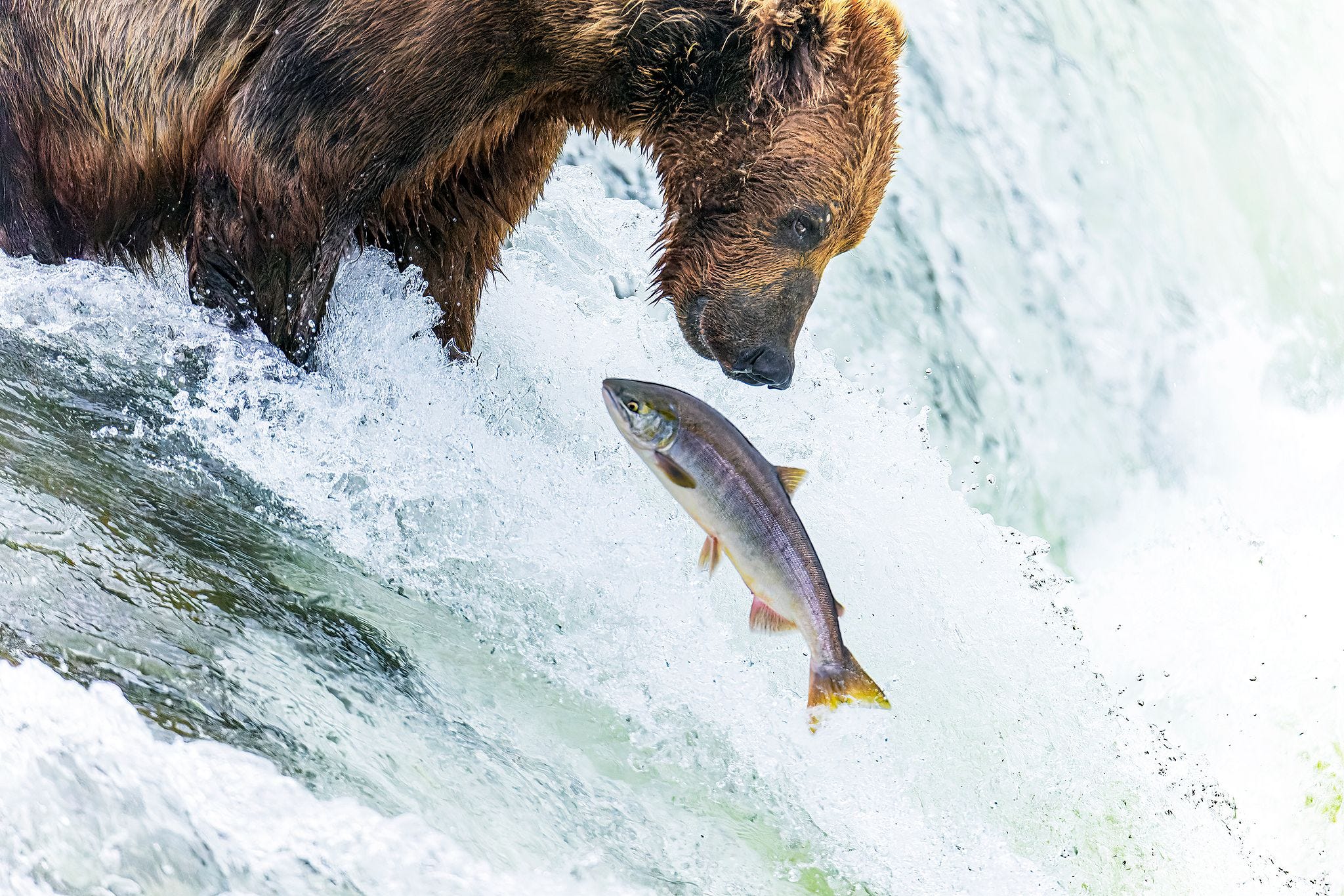
I’ve now been to Brooks Falls four or five times, but the feeling never fades. The first time I came here was in 2009, and I had no idea how profoundly those few days would shape the rest of my life. Standing beside this river, watching wild brown bears fish as they have for thousands of years, I fell in love with them in a way I never had before. Looking back now, so much of what I do today, from leading tours to conservation work to simply trying to be a voice for bears, can be traced back to this very place.
Yesterday, standing on the viewing platform, I counted 30 brown bears within sight. Some patiently waiting at the lip of the falls. Others chasing salmon downstream. Mothers keeping a watchful eye on cubs. Young bears learning where they fit into the complex social hierarchy. Everywhere you looked, another story was unfolding.
There are very few places on Earth that deserve the title of a true wildlife wonder of the world.
Brooks Falls is undoubtedly one of them.
Every summer, more than a million sockeye salmon surge up the Brooks River on their journey to spawn. Waiting for them are the brown bears of Katmai National Park, gathering in one of the greatest concentrations anywhere on the planet. For just a few short weeks, this river becomes one of the richest feeding opportunities a bear will experience all year. Every fish caught here represents another step toward surviving the long Alaskan winter.
What makes Brooks so remarkable, though, isn’t just the spectacle we see today.
Long before it became famous, the Brooks River was an important place for Indigenous peoples, who have lived, hunted, and fished here for thousands of years. Archaeological evidence shows people have been using this landscape for more than 9,000 years, making it one of the oldest continuously occupied sites in North America. In the early days of tourism, bear numbers were much lower, and hunting and sport fishing often took priority. Today, thanks to decades of protection within Katmai National Park, Brooks Falls has become one of the world’s greatest conservation success stories. It is living proof of what can happen when we give wildlife the space and protection it needs.
Perhaps what fascinates me most isn’t the number of bears.
It’s how much we’ve come to know them.
Many visitors recognize familiar faces like 747, Chunk, Grazer, Holly, Otis, or Walker before they ever arrive. They know their personalities, favourite fishing spots, and even their family histories. Brooks Falls has become one of the world’s greatest outdoor wildlife classrooms.
The live Bear Cams have played a huge role in that transformation. Millions of people from around the world can sit beside this river from their living rooms. Children watch bears catch salmon before school. Families tune in over dinner. Scientists observe behaviours that might otherwise go unnoticed. People who may never visit Alaska still develop a genuine connection with these animals simply by watching them live their lives.
This summer has even given us a remarkable new chapter.
People around the world have been following what appears to be the adoption of a young cub, affectionately nicknamed Biggie, by another female bear after becoming separated from its biological mother. If it truly is an adoption, it would be an exceptionally rare event for brown bears and a beautiful reminder that nature still has the ability to surprise us.
That connection reaches its peak every autumn during Fat Bear Week.
What started as a fun idea by a park ranger has grown into one of the greatest wildlife outreach campaigns anywhere in the world. Every autumn, millions of people vote for the bear that has packed on the most weight before hibernation. On the surface it seems funny.
But the message runs much deeper.
The “fattest” bear isn’t lazy. It’s successful. It has found enough salmon to survive the winter, reproduce, and continue the next generation. Fat Bear Week has transformed fear into fascination, teaching millions of people about bear ecology while celebrating healthy ecosystems. It’s a brilliant reminder that conservation doesn’t always have to be driven by bad news. Sometimes joy, curiosity, and storytelling can inspire people just as powerfully.
Standing there two days ago, watching those 30 bears, I couldn’t help but think about everything Brooks represents.
For a few brief weeks each year, the bears have everything they need. The salmon return. The river comes alive. Cubs learn to fish. Dominant males tolerate one another, at least more than usual. And people from around the world gather quietly on a wooden platform, united by a shared sense of wonder.
This is what conservation looks like.
Not just protecting wildlife from extinction, but creating places where wildlife can truly thrive. Places that inspire curiosity instead of fear. Places that change hearts.
Brooks Falls has changed how millions of people see bears.
I know that because it changed me.
If we want a future where wild bears continue to roam rivers like this, we need more people who care enough to ensure these incredible animals are still here for generations to come.
Last night we headed deeper into the Alaskan wilderness, leaving the boardwalks behind for a remote bear camp where there are no viewing platforms, no crowds, and only us and the wild.
I can’t wait to share what comes next.
Quote of the Day
No man ever steps in the same river twice, for it is not the same river and he is not the same man.
— Heraclitus
Our first Andean Bear Week Champion
Congratulations to Laura, our very first Andean Bear Week Champion! 🐻🏆
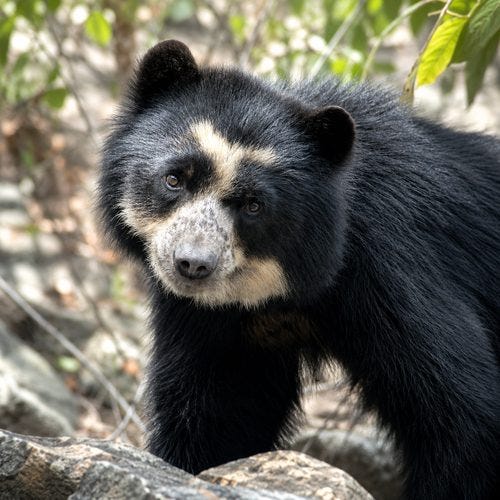
What began as a simple idea I had just a few weeks ago quickly grew into something far more meaningful than I ever imagined. I wondered whether people would connect with individual wild Andean bears the same way they do during Fat Bear Week, and the response exceeded every expectation. People from around the world cast their votes, but more importantly, they discovered the remarkable stories of these incredible bears and the conservation work helping protect them.
We also learned a tremendous amount along the way. Since this all came together at the last minute, there were plenty of lessons, ideas, and opportunities for improvement. Next year we’re already dreaming much bigger, with new bears, more storytelling, more educational content, greater community involvement, and even more ways to support conservation on the ground. Thank you to everyone who voted, shared, commented, and helped make the very first Andean Bear Week such a success. This is only the beginning.
Thank you for being part of The Wildlife Collective. Together, we are helping build a deeper connection between people and the natural world while supporting the conservation of wildlife and wild places. Stay tuned for more stories from the field, conservation news, photography tips, and unforgettable wildlife encounters from around the globe.
Until next time, keep exploring, keep learning, and keep falling in love with the wild.
Zac Mills
The Wildlife Collective