
This still feels a little surreal to write.
A few days ago I received my first payment from Facebook for posting wildlife videos.
No strategy shift. No master plan. No “I’m going to become a Facebook creator” moment.
It almost happened by accident.
How This Even Started (or… Didn’t)
It actually began with a casual comment from a friend in Uganda. He mentioned, almost off-handedly, that Facebook was monetizing videos now and that creators were making real money.
I remember thinking: Interesting… but definitely not for me.
I live in Canada.
I’d never made a cent from posting videos anywhere.
I assumed I wouldn’t be eligible, so I promptly forgot about it.
Then Instagram Changed Something (Without Me Noticing)
As luck would have it, Instagram rolled out an update.
Without me realizing it, my Reels started automatically cross-posting to Facebook. I wasn’t logging into Facebook. I wasn’t posting there manually. I didn’t even know it was happening.
Then one day, out of pure curiosity, I checked my Facebook account.
That’s when I noticed:
My mountain gorilla reels were performing really well
My follower count was climbing
Engagement was high
At the same time, I saw a sponsored post in my feed claiming some influencer was making $10,000 a month on Facebook.
That’s when the Uganda conversation came rushing back.
The Moment I Checked My Settings
Out of curiosity (and honestly, skepticism), I went into my Facebook settings.
And there it was.
I was eligible for monetization.
I genuinely couldn’t believe it.
I think a big reason I qualified was simple:
I was posting original content that people were actually watching and engaging with.
Are you eligible to be monetized?
One thing I need to be very clear about, because it often confuses people:
Monetization applies to Pages — not personal profiles.
You must have a Professional Page (or convert your profile into professional mode) to be eligible.If you’re only posting from a personal Facebook profile, monetization will not apply.
Check Monetization Eligibility for Pages
Pages can earn money from their content only if they meet Meta’s Partner Monetization Policies.
Here’s exactly how to check:
Go to Meta Business Suite on a computer (this is important — it’s much clearer on desktop).
On the left-hand menu, click Monetization.
You’ll see an overview of:
Your monetization status
Eligible programs
Any issues preventing monetization
Use the top-left dropdown menu to select the specific Page you want to check.
Official Resources Worth Bookmarking
Facebook actually lays this out pretty clearly, if you know where to look:
How to check Page monetization eligibilityhttps://www.facebook.com/business/help/321041698514182?id=2520940424820218
Detailed breakdown of Meta’s Partner Monetization Policieshttps://www.facebook.com/business/help/321041698514182?id=2520940424820218
(Yes, the policy link matters — original content, no reused clips, no watermarks, and real engagement all play a role.)
What Actually Matters for Facebook Monetization
Please remember these three points:
Videos must be at least 10 seconds long
Shorter clips don’t count. Photos don’t count. Video is non-negotiable.Monetization is tied to views, watch time, and engagement
It’s not just raw views — people actually need to watch.Cross-posting from Instagram works
I don’t post separately to Facebook. I post Reels once, and Facebook does the rest.
That’s it. No secret hacks.
Watching the Earnings Go Up
Once I realized monetization was real, I started posting more consistently, still the same content, just more of it.
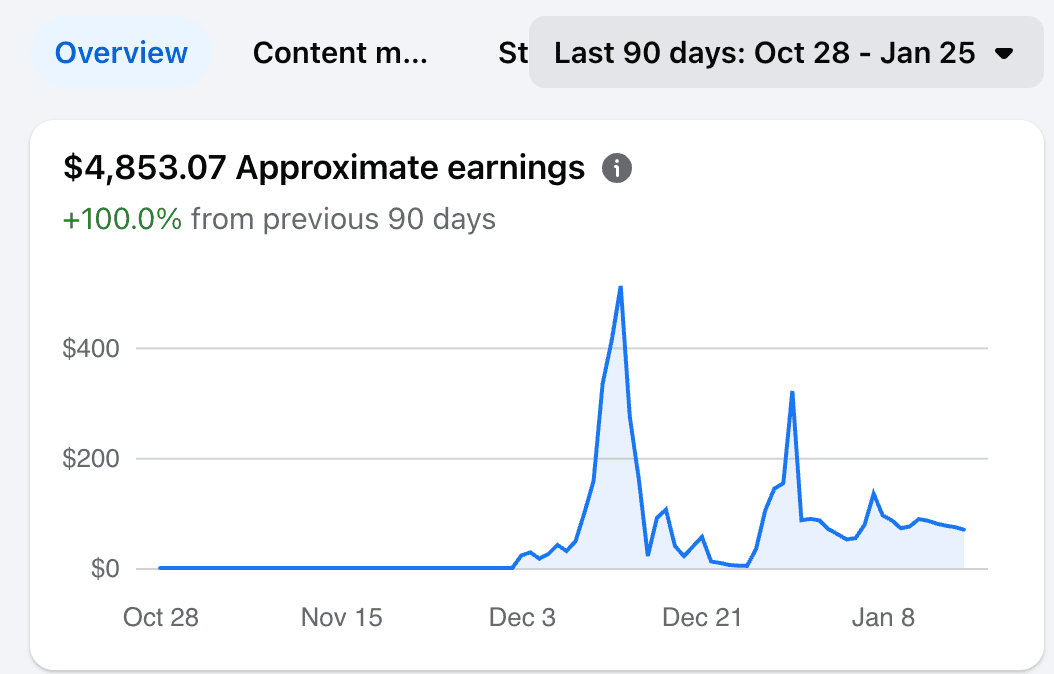
Each day, I would check earnings. They would go up a bit, then a bit more. I did not want to get excited. I genuinely did not believe it was real until the money actually hit my account. But it did. On January 22nd, I was paid $2,566.90 for my Facebook Reels from the month of December.
And now I’m on track for a similar payout this month.
You can see this progression in the chart below. My first earnings appeared on December 7 at $22.70. They steadily increased and peaked at $511.23 on December 18, then fluctuated in the days that followed. Part of that variation came from not posting every day, which directly affected performance. This kind of rise and fall is completely normal with view based monetization.
Getting Paid Isn’t Instant (and Meta Verification Helps)
To actually receive payment, Facebook requires:
Tax forms
Payout information
Identity verification
I hit one issue where things stalled.
What solved it? Being Meta Verified.
Yes, it’s a paid monthly subscription (around $15–$20 depending on region), but the key benefit wasn’t the badge — it was access to real human support.
I spoke to an actual person, got the issue resolved, and payments went through.
As a bonus, it also seems that Meta-verified accounts tend to get more distribution, though Facebook doesn’t explicitly confirm this.
How Do You Get Engagement?
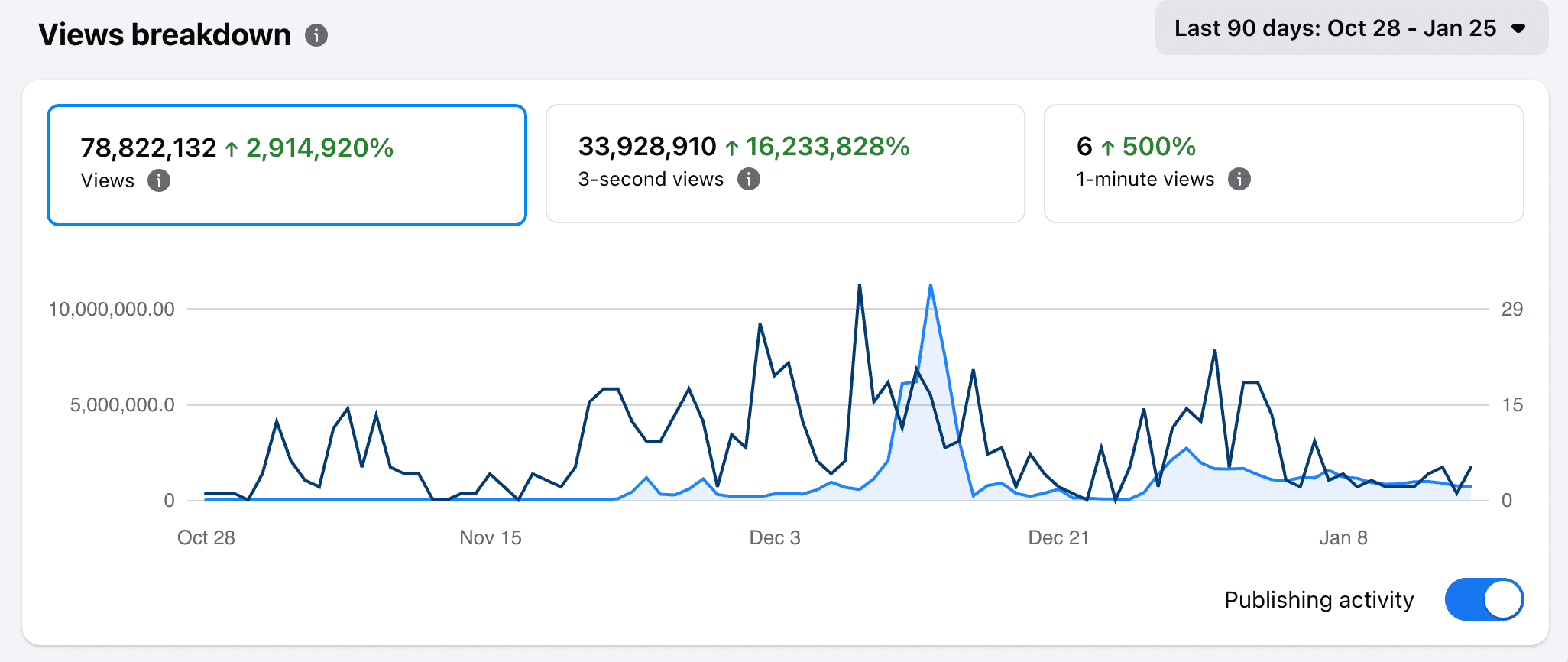
As you can see below, I have had nearly 80 million views over the past three months, and those views have directly driven earnings. More views lead to more watch time, and more watch time leads to higher payouts.
That said, views do not happen by accident.
I have a personal approach to social media that works well when I truly commit to it, and a big part of that is staying authentic to who I am and what The Wildlife Collective stands for. For me, social media is not just about views or likes. It is about helping people fall in love with wild animals and wild places, because people are far more likely to protect what they care about, learn about, and feel connected to.
Consistency is one of the biggest factors. You need to post with regular frequency for the algorithm to take you seriously. In practice, that means posting daily. Facebook even recommends publishing Reels at least ten times per week. But consistency does not mean posting just for the sake of it, or chasing trends that have nothing to do with your values.
Engagement comes from a mix of timing, storytelling, pacing, originality, and understanding how people actually consume content. When you combine those elements with a clear mission, the content resonates more deeply. You do not need to sacrifice what you are about or water down your message just to chase likes. In fact, the opposite is often true.
I am currently working on a course where I go much deeper into my full strategy, including what I post, how often, why certain videos perform better than others, and how to build momentum over time, all while staying true to a conservation driven mission. I will be sharing more about that soon.
Final Thoughts
I did not chase this. I did not optimize for it. I did not even believe it would work.
I simply shared real moments from the wild. Moments that mattered to me. Moments that reflect why I do this work in the first place. Over time, Facebook rewarded consistency and authenticity, not because I was trying to game the system, but because people connected with the content.
If you are already posting Reels, there are a few simple things worth checking:
Make sure your videos are at least ten seconds long.
Turn on Facebook cross posting.
Check your monetization tab in Meta Business Suite.
Do not assume you are not eligible. I did, and I was wrong.
Most importantly, do not lose sight of why you started creating in the first place. You do not need to sacrifice your values or your mission to make this work. When you show up consistently and share something real, the right opportunities often find you.
Sometimes the things you are looking for arrive quietly, while you are busy doing the work you love.
Quote of the Week
Enthusiasm is common. Endurance is rare.
— Angela Duckworth
Conservation News
A Cautious Win for the Rarest Great Ape
Indonesia’s government has announced it will revoke permits from dozens of mining, hydropower, timber, and plantation companies following catastrophic floods and landslides in North Sumatra — floods that devastated communities and may have wiped out a significant portion of the world’s rarest great ape, the Tapanuli orangutan. On paper, it’s a strong response: permits revoked, lawsuits filed, and public acknowledgment that unchecked extraction played a role.
The Tapanuli orangutan is both extraordinary and incredibly vulnerable. Only recognized as a distinct species in 2017, it is the rarest great ape on Earth, found nowhere else and confined to a small, fragmented pocket of highland forest. Orangutan mothers give birth to a single baby and then raise that young for an average of eight years before reproducing again, which means population recovery is painfully slow. With fewer than 800 individuals remaining even before the floods, every loss truly matters. Once habitat like this is gone, it cannot simply be replaced or offset.
That’s why this moment matters, but also why caution is warranted. While the headline is welcome, friends and conservation partners on the ground are telling me this may be more lip service than real, lasting change. We’ve seen big announcements before, followed by weak enforcement once the spotlight moves on.
I won’t be visiting the affected area directly, but I’ll be back in Sumatra in six weeks, listening closely to my partners on the ground who are doing the hard, daily work of protecting orangutans and their forest home. Through them, I hope to better understand whether this signals real accountability and protection, or just another pause before business resumes as usual.
Upcoming Tours
We know we’re a bit behind in releasing our tour offerings, and over the next two weeks our focus is on finalizing our 2026 and 2027 departures, while also adding select 2028 dates. We’re more motivated than ever to set the standard as the world’s leading operator for bear, big cat, and great ape experiences, and you’ll soon see several new and exciting destinations announced. We’re also running more private tours than ever before, allowing for a truly personalized, low-impact experience. If any of this sparks your interest, we’d love to hear from you.
Featured Tours
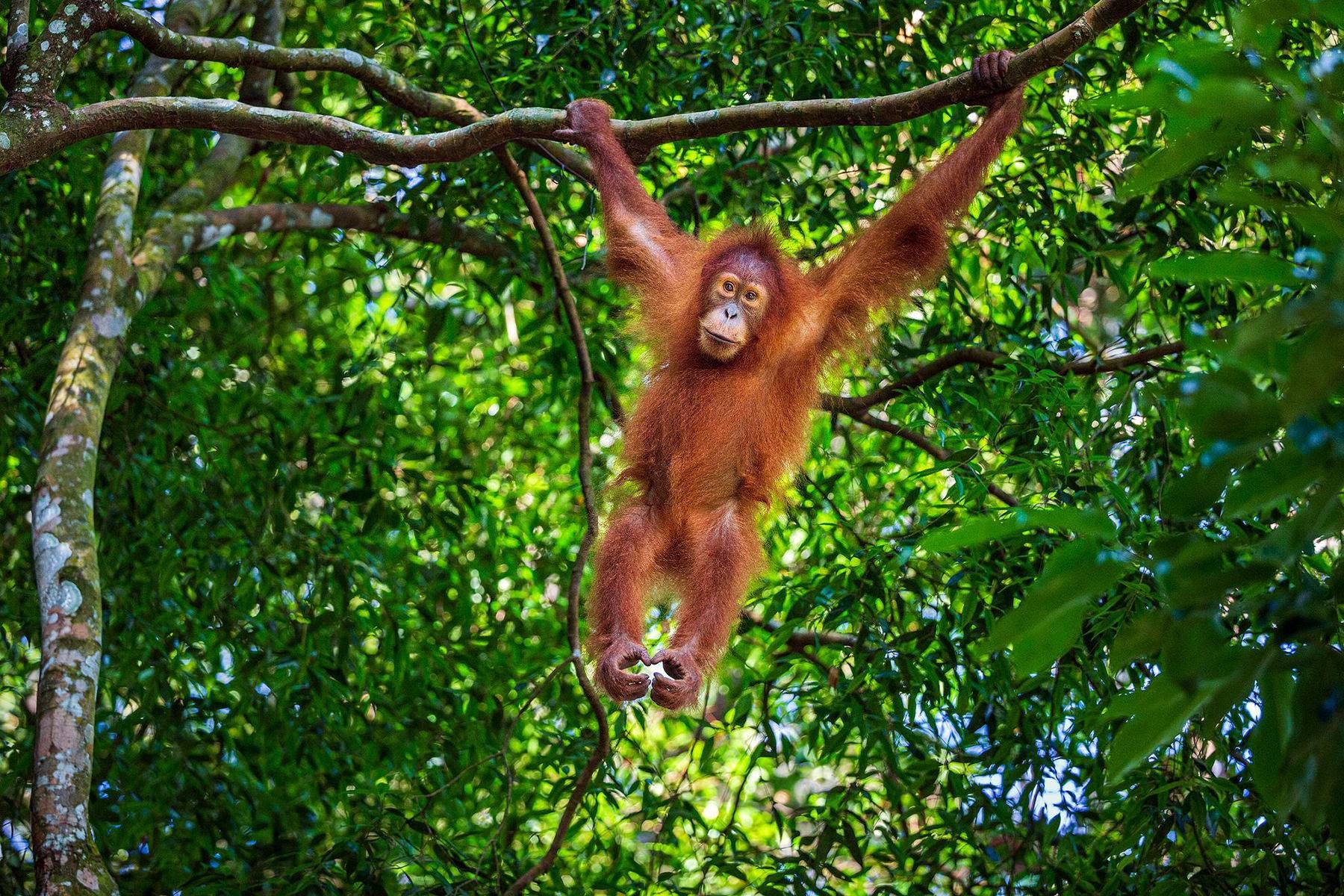
Sumatran Orangutans
Mar 11-18. Experience the surprising ways orangutans are just like us.
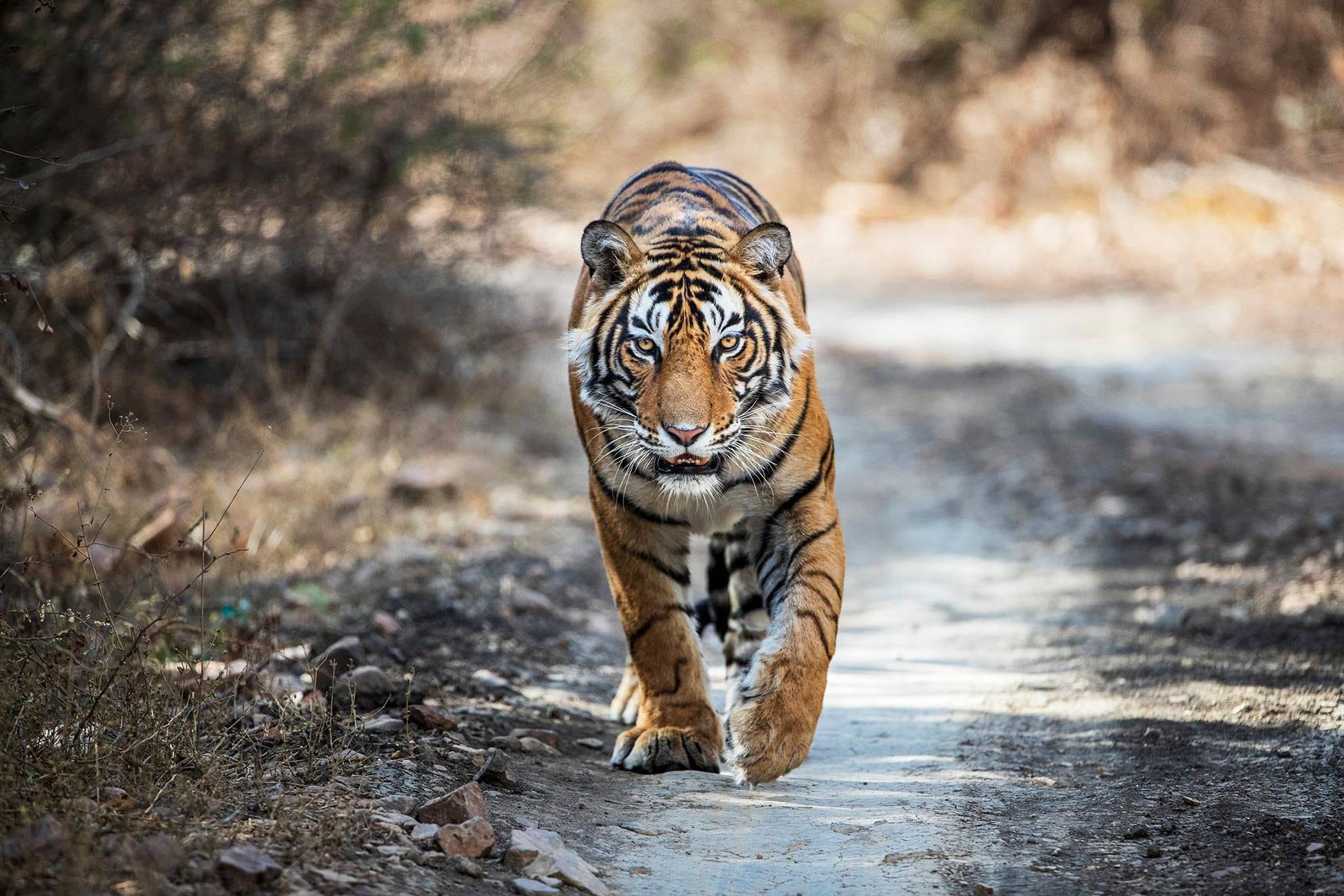
Tigers
Apr 17-25. My heart races more than any other animal when I see a tiger in the wild
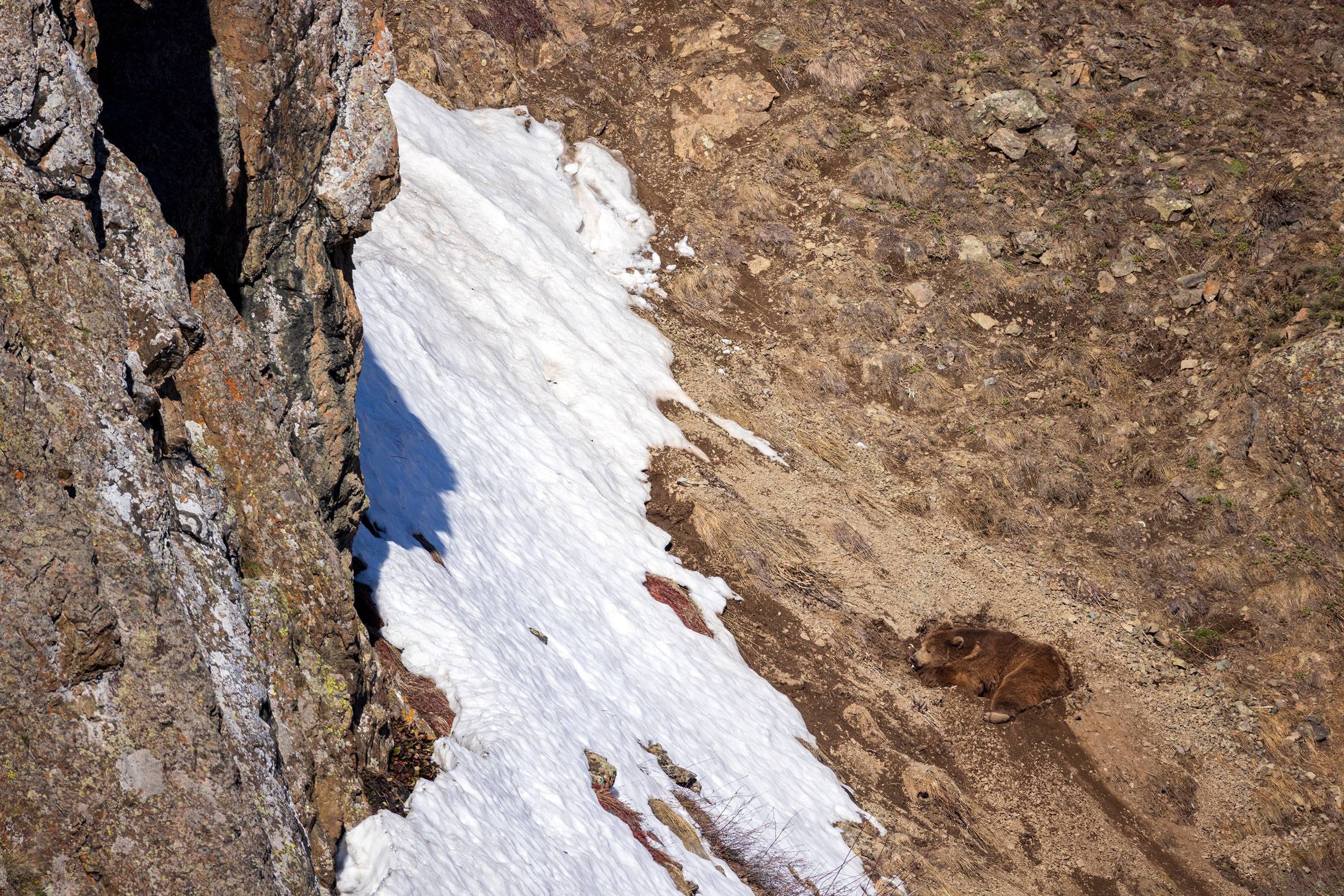
Himalayan Brown Bear
Apr 27–May 2. Our first conservation storytelling tour.
Click to see our fill list of tours
Feel free to reply to this email with any questions, feedback, or just to share your latest wildlife photos. Feel free to share this message with fellow nature lovers, too—let’s grow this community together!
Thank you for being a part of The Wildlife Collective community. Stay tuned for more updates, tips, and incredible wildlife encounters!
Best regards,
Zac Mills
The Wildlife Collective