
It’s one of the questions I get asked often.
“How many Andean bears are left?”
It seems like it should have a simple answer. Every conservation website talks about population numbers. Every article wants a headline figure. We naturally want to know whether a species is thriving or disappearing.
But after spending time searching for Andean bears in Ecuador and Colombia, talking with researchers, conservationists, and local communities, I’ve come to realize something surprising.
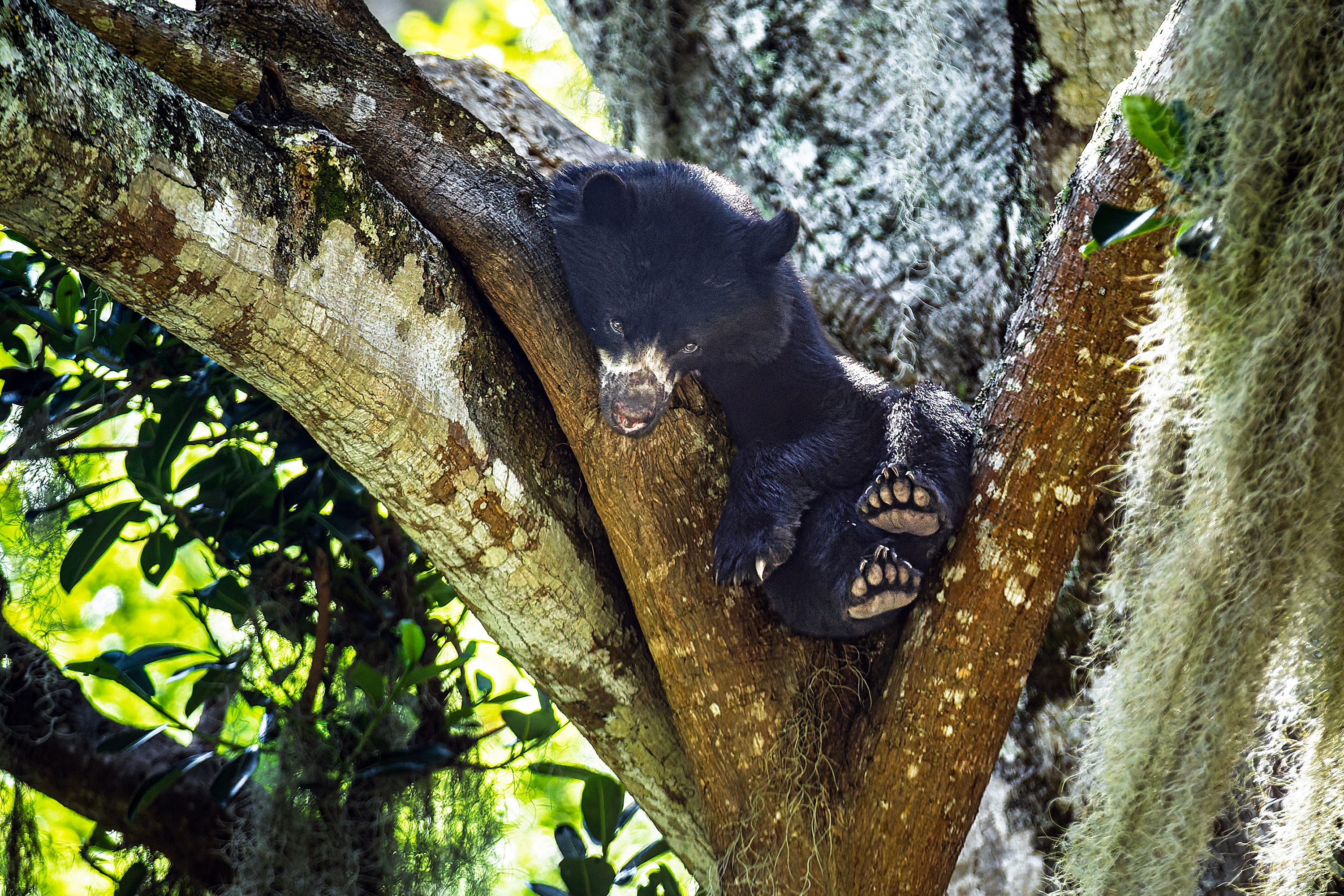
The honest answer is that we don’t really know.
And I think that’s an important story to tell.
The Numbers Don’t Agree
If you start searching online, you’ll quickly find very different estimates.
The most widely referenced source, the International Union for Conservation of Nature (IUCN), estimates there are approximately 2,500 to 10,000 mature individuals remaining across the Andes.
Notice something important.
Not bears.
Mature adults.
That excludes cubs, yearlings, and younger bears that haven’t reached breeding age.
More recently, researchers associated with the IUCN SSC Bear Specialist Group have compiled updated country-by-country estimates suggesting there may be 13,000 to 18,000 individual Andean bears across their range. That’s a very different number because it attempts to estimate the total population rather than only breeding adults.
Meanwhile, conservation organizations like the Wildlife Conservation Society often avoid giving a single continental population estimate altogether. Instead, they emphasize that Andean bears occur at naturally low densities across an enormous range stretching from Venezuela to Bolivia, and that reliable data simply don’t exist for many regions.
So which number is correct?
Probably none of them.
Or perhaps parts of all of them.
Counting Bears Isn’t Like Counting People
Unlike elephants gathering on a savannah or penguins nesting in huge colonies, Andean bears live incredibly secretive lives.
They inhabit steep mountains, dense cloud forests, rugged páramo, and remote valleys that can take days to reach.
Some areas have no roads.
Some have never been systematically surveyed.
Many bears are photographed only occasionally by camera traps.
Others leave behind little more than claw marks on trees, footprints in mud, or feeding signs high in bromeliads.
It’s entirely possible that bears occupy valleys where nobody has looked for years.
It’s also possible they’ve disappeared from places where people assume they still exist.
That uncertainty makes estimating a population incredibly difficult.
Numbers Only Tell Part of the Story
Whether there are 8,000 bears…
13,000 bears…
18,000 bears…
or somewhere in between…
the number itself isn’t the most important part of the conversation.
What matters is the trend.
Across much of their range, Andean bears continue to face habitat loss, expanding agriculture, road development, mining, conflict with people, and fragmentation of the forests they depend on.
Small isolated populations become more vulnerable over time, even if the overall continental estimate appears stable.
A healthy future for Andean bears isn’t determined by a single headline population number.
It’s determined by whether bears continue to have connected landscapes where they can roam, feed, breed, and coexist alongside people.
Why Uncertainty Matters
Some people hear uncertain numbers and think conservation scientists don’t know what they’re doing.
I see the opposite.
Good science is honest about uncertainty.
It acknowledges what we know…
and what we don’t.
I’d much rather see researchers say, “We’re still learning,” than pretend to know something they can’t confidently measure.
That honesty builds trust.
And it reminds us there’s still so much left to discover.
I’m Excited About What’s Next
Over the past few years, I’ve been incredibly fortunate to spend time with Andean bears in Ecuador and Colombia.
Every encounter has left me wanting to do more.
Not just photograph them.
Not just tell their story.
But help more people fall in love with this remarkable species.
Because people protect what they love.
That’s why recently I’ve been working with an amazing conservation partner on something that I genuinely believe could become one of the biggest awareness moments Andean bears have ever had.
I can’t say much just yet.
But I’m incredibly excited.
If all goes according to plan, it will bring together researchers, conservation organizations, photographers, filmmakers, zoos, and people from around the world who simply care about these incredible bears.
And hopefully, it will inspire thousands more people to discover a species that still doesn’t receive nearly the attention it deserves.
Stay tuned.
I think you’re going to love what’s coming.
Quote of the Day
Not everything that can be counted counts, and not everything that counts can be counted.
— William Bruce Cameron
Andean Bear Tour Openings
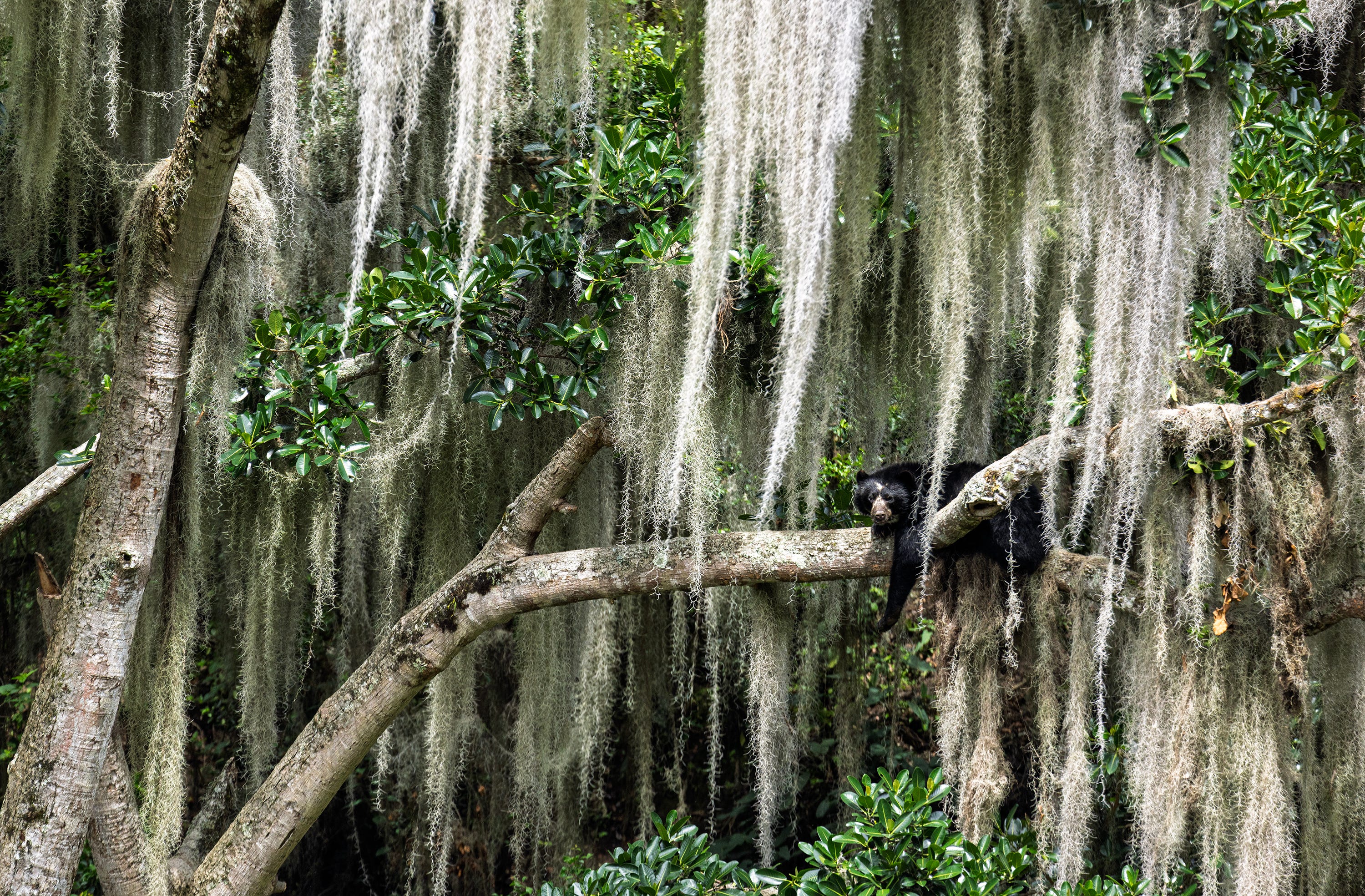
If seeing a wild Andean bear is on your bucket list, I’d love to help make it happen. Join us in 2027 as we travel to Colombia and Ecuador to search for one of the world’s most elusive and beautiful bears. Every day brings the possibility of an unforgettable encounter, surrounded by spectacular mountain landscapes, extraordinary birdlife, and the passionate local conservationists working tirelessly to protect this remarkable species.
🇨🇴 Colombia | January 17–22, 2027 (3 spots remaining)
🇪🇨 Ecuador | February 1–12, 2027 (4 spots remaining)
🇪🇨 Ecuador | February 21 – March 1, 2027 (3 spots remaining)
What makes these expeditions different is that we aren’t just wildlife photographers, we’re also expert bear guides. Bears are at the heart of everything we do. Our goal isn’t simply to help you see an Andean bear, but to help you understand its behaviour, ecology, conservation challenges, and why it deserves our protection. We believe that knowledge and connection transform a wildlife sighting into something much more meaningful.
I truly believe these are some of the most rewarding bear experiences anywhere in the world, and I’d love to share them with you.
Thank you for being part of The Wildlife Collective. Together, we are helping build a deeper connection between people and the natural world while supporting the conservation of wildlife and wild places. Stay tuned for more stories from the field, conservation news, photography tips, and unforgettable wildlife encounters from around the globe.
Until next time, keep exploring, keep learning, and keep falling in love with the wild.
Zac Mills
The Wildlife Collective