
Yesterday was one of those days that reminds me exactly why I keep coming back here.
I saw Zac.
Zac is an Andean bear. And yes, he is named after me. Danilo named him years ago, and it still feels surreal to say that out loud. I first met Zac two years ago when he was just a cub. He was Josefa’s only cub that year, and even then he felt special.
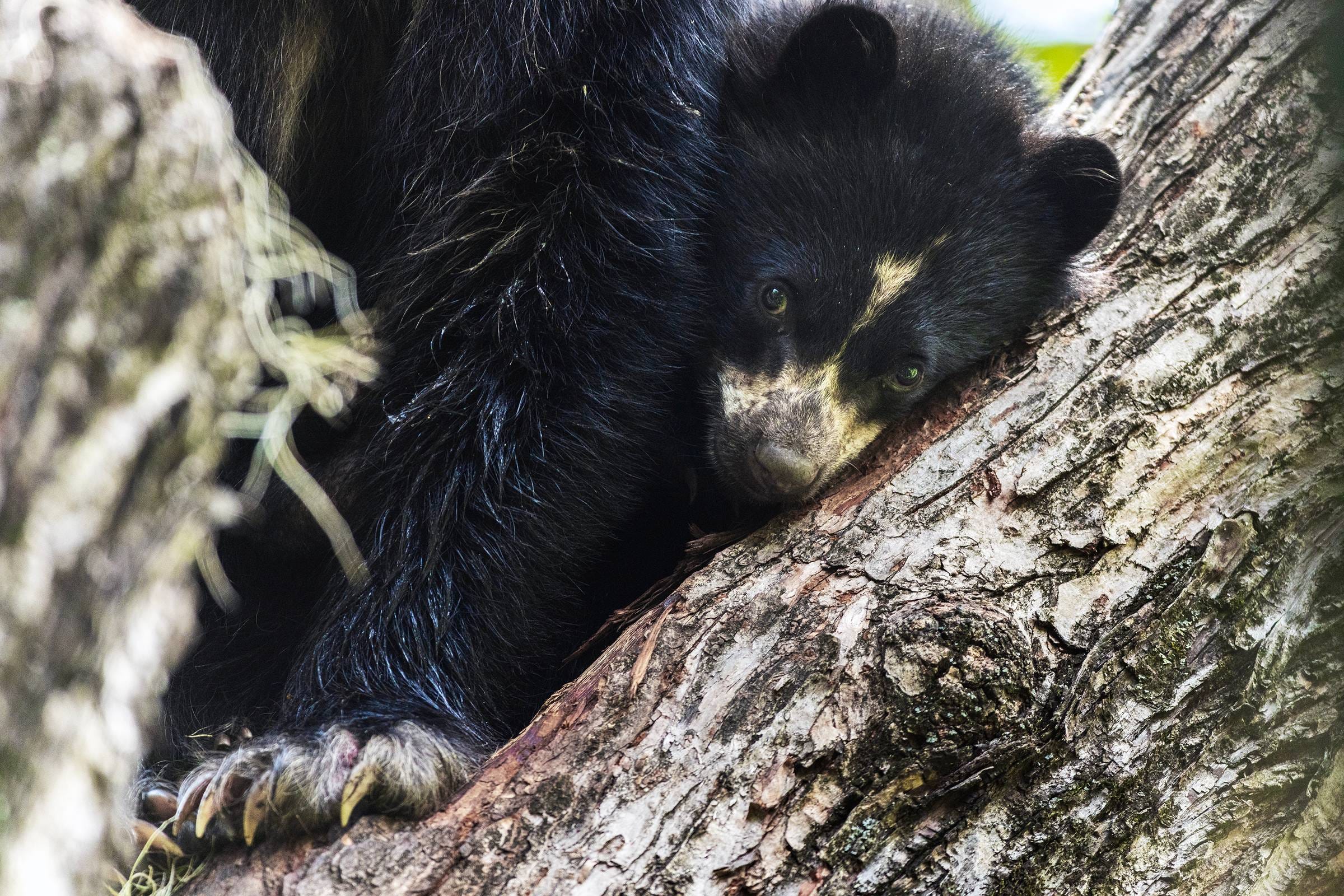
Josefa is the bear that started everything here. Sixteen years ago, she was the very first Andean bear to enter this canyon. At the time, no one knew if bears would use this area, if they would feel safe enough, or if coexistence with people was even possible. Josepha proved that it was. Because of her, this place changed forever.
I saw Zac again last year, bigger and stronger, still very much a youngster.
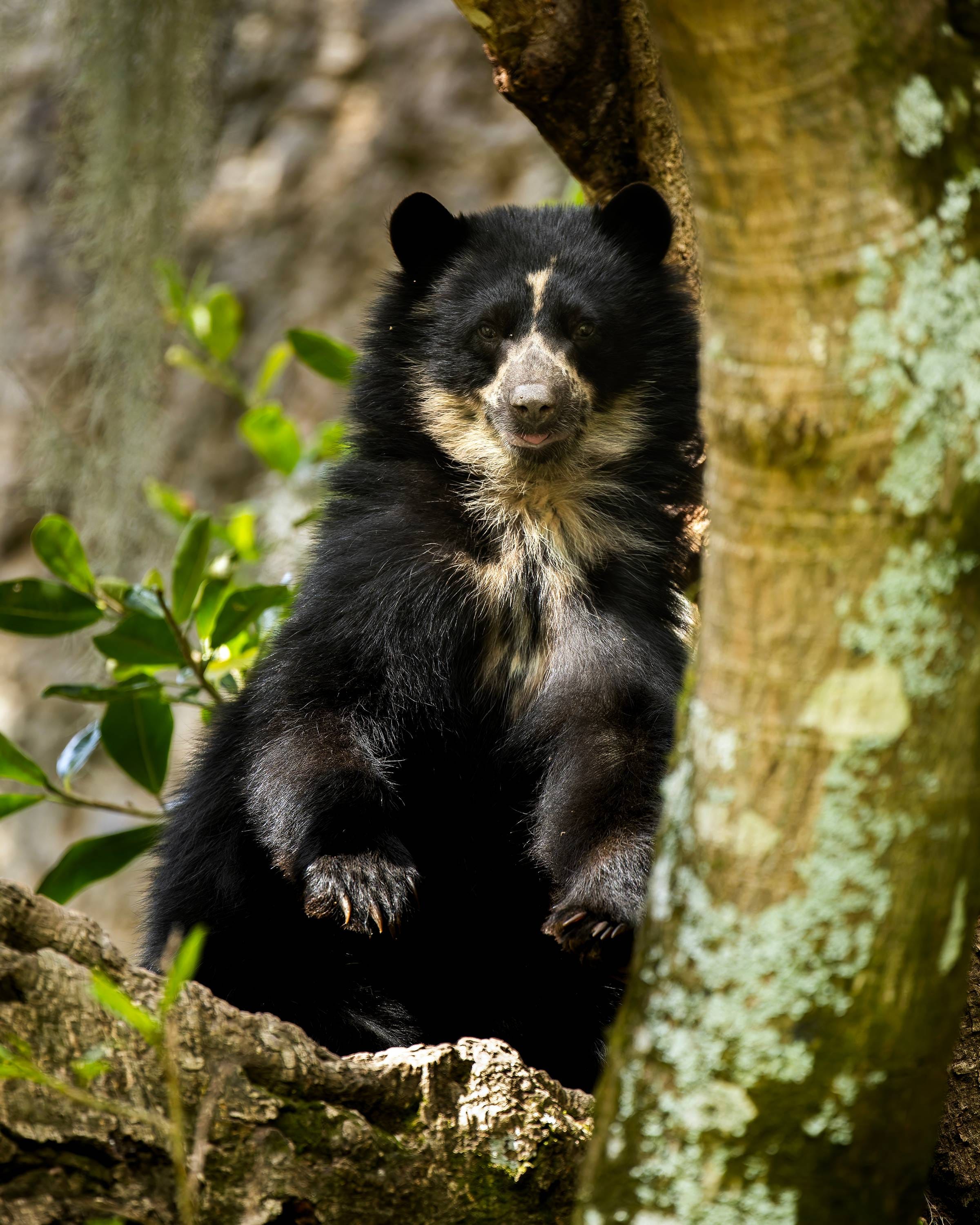
And yesterday, at three years old, I watched him once more, this time cross the bridge right in front of us.
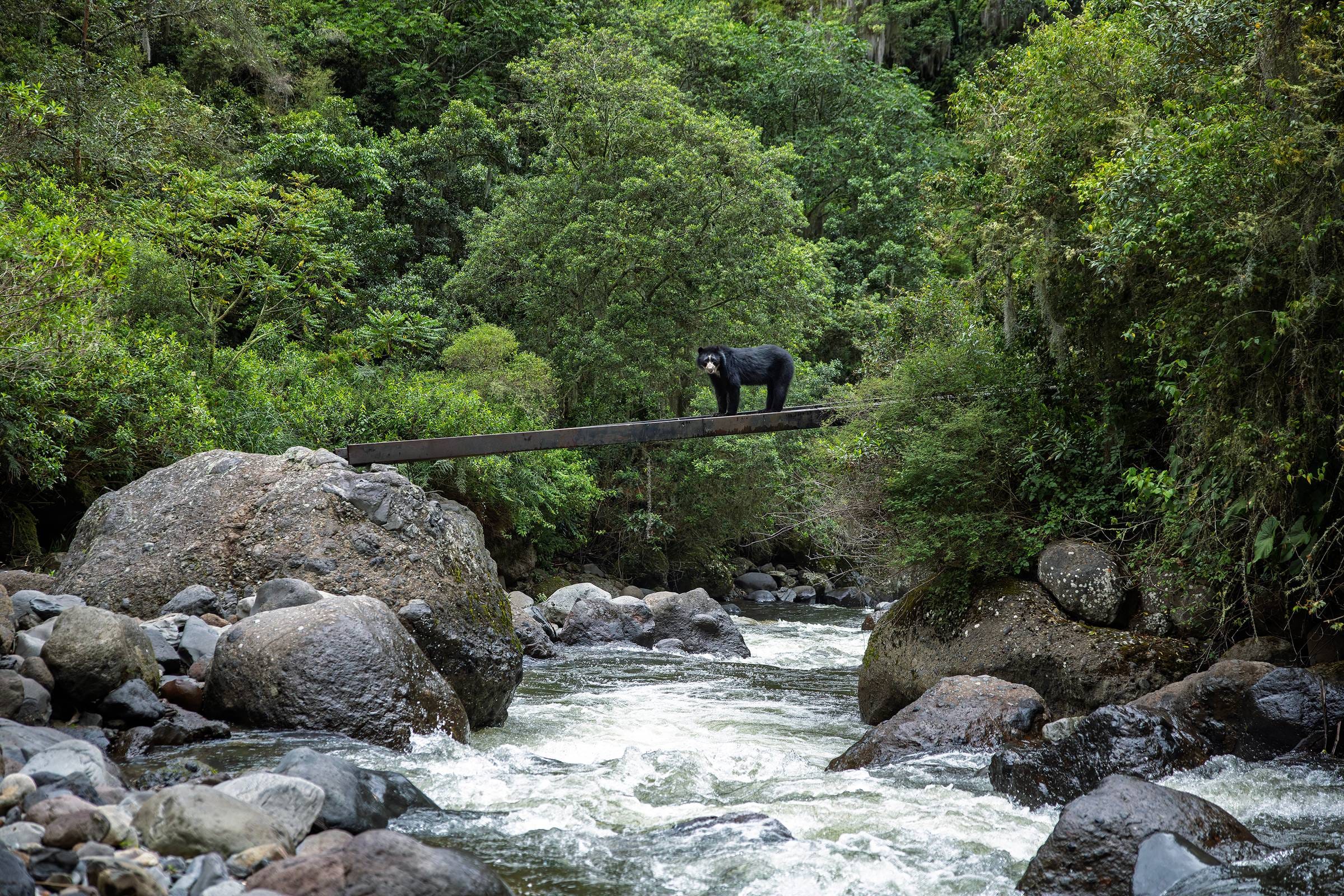
He is in that in between phase now. Not a cub. Not fully grown. Independent, curious, a little unsure, but clearly finding his way. Watching him move through the canyon, pausing, scanning, making decisions on his own, hit me hard in the best possible way. There is something incredibly powerful about witnessing the same wild animal over multiple years and watching his story unfold naturally.
Moments like that do not happen by luck.
They happen because of serious, long term conservation work. This area functions as a safe wildlife corridor, allowing Andean bears to move through the landscape without being pushed into conflict. When bears damage crops, local farmers are compensated, removing the resentment that so often leads to persecution. And there is constant education and awareness work happening, helping people understand these bears instead of fearing them.
This is what real conservation looks like. It is practical. It is local. And it works.
Danilo is at the heart of all of it. He is a true conservation hero. Not loud. Not flashy. Just deeply committed to doing what needs to be done, year after year, so bears like Zac can grow up wild and free.
I love this place so much. Every time I return, it gives me hope. And getting to see Zac again, watching him carve out his own path in the canyon, was something I will carry with me for a long time. 🐻
Join us with Andean bears next January and February. Reply to this email for full details.
Book Club
How is everyone getting along with our first pick in the Wildlife Collective Book Club? I’ve been slowly working through the opening chapter of Chimpanzee Whisperer: A Life of Love and Loss, Compassion and Conservation, and what struck me most is how quickly it makes one thing clear: this isn’t a feel-good wildlife story, it’s a deeply honest reflection on connection, grief, and moral complexity in conservation. Right from the start, chimpanzees are presented not as study subjects or symbols of a species, but as individuals with emotions, memory, and trauma, and the author doesn’t shy away from the cost of caring so deeply. Love is shown as both necessary and risky, grief as inevitable rather than exceptional, and conservation as a space full of ethical gray areas rather than heroic certainty. It sets the tone for a book that’s less about saving wildlife in neat, uplifting ways and more about what it truly means to stand alongside other beings, knowing that loss, doubt, and hard choices are part of the work.
Quote of the Week
Only those who risk going too far can possibly find out how far one can go.
— T.S. Eliot
Conservation News
The Bears That Didn’t Make It, and What That Means for the Ones That Remain
For millions of years, North America was home to bears that make today’s grizzlies look almost modest. Giant short faced bears, Florida spectacled bears, and other now extinct species once dominated forests, plains, and river valleys. Some stood over twelve feet tall, weighed more than a ton, and sat at the very top of the food chain. And yet, despite their size and power, every one of them disappeared. Their extinction is not ancient trivia. It is a warning written into the landscape.
What doomed these prehistoric bears was not weakness, but specialization. Many relied on specific food sources, stable climates, and vast unbroken habitat. When the Ice Age ended, ecosystems shifted quickly. Large prey vanished, vegetation changed, and humans arrived with new pressure on the land. Bears that could not adapt fast enough were pushed past a tipping point. Meanwhile, the more flexible generalists, the ancestors of today’s black and brown bears, survived by adjusting diet, habitat, and behavior. Adaptability, not dominance, determined who lived on.
That lesson feels uncomfortably relevant today. Modern bears face a world changing faster than at almost any time since the last Ice Age. Habitat loss, fragmentation, climate change, and rising human bear conflict now shape their future. Grizzly bears occupy only a fraction of their historic range. Polar bears are losing the sea ice they depend on to hunt. Even black bears, often seen as a conservation success, are being pushed into closer contact with people as wild food sources decline and development expands.
The difference between then and now is that we are no longer just a pressure on the system. We are the system. Roads, towns, politics, climate decisions, and land use choices all determine whether bears can move, feed, den, and raise cubs. We often talk about bears needing to adapt, but adaptability has limits. No species, no matter how intelligent or resilient, can survive without space, food, and connected habitat.
The extinct bears of North America remind us of a simple truth. Survival is never guaranteed, even for giants. The bears still with us today do not need nostalgia. They need room to live and time to adapt. Whether they endure for the next thousand years depends less on their strength and more on our willingness to learn from the past and make space for them in a rapidly changing world.
Upcoming Tours
We know we’re a bit behind in releasing our tour offerings, and over the next few our focus is on finalizing our 2026 and 2027 departures, while also adding select 2028 dates. We’re more motivated than ever to set the standard as the world’s leading operator for bear, big cat, and great ape experiences, and you’ll soon see several new and exciting destinations announced. We’re also running more private tours than ever before, allowing for a truly personalized, low-impact experience. If any of this sparks your interest, we’d love to hear from you.
Featured Tours
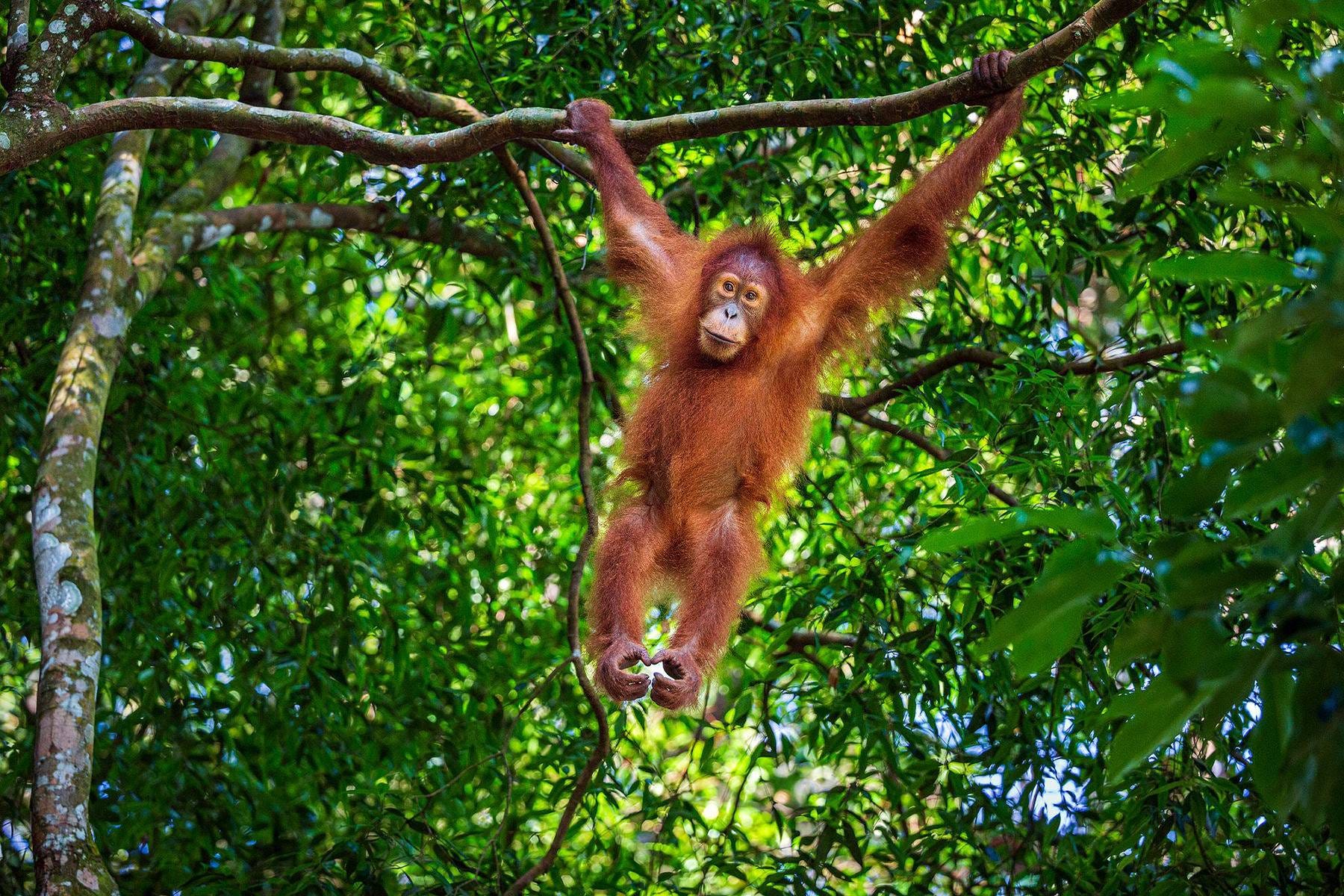
Sumatran Orangutans
Mar 11-18. Experience the surprising ways orangutans are just like us.
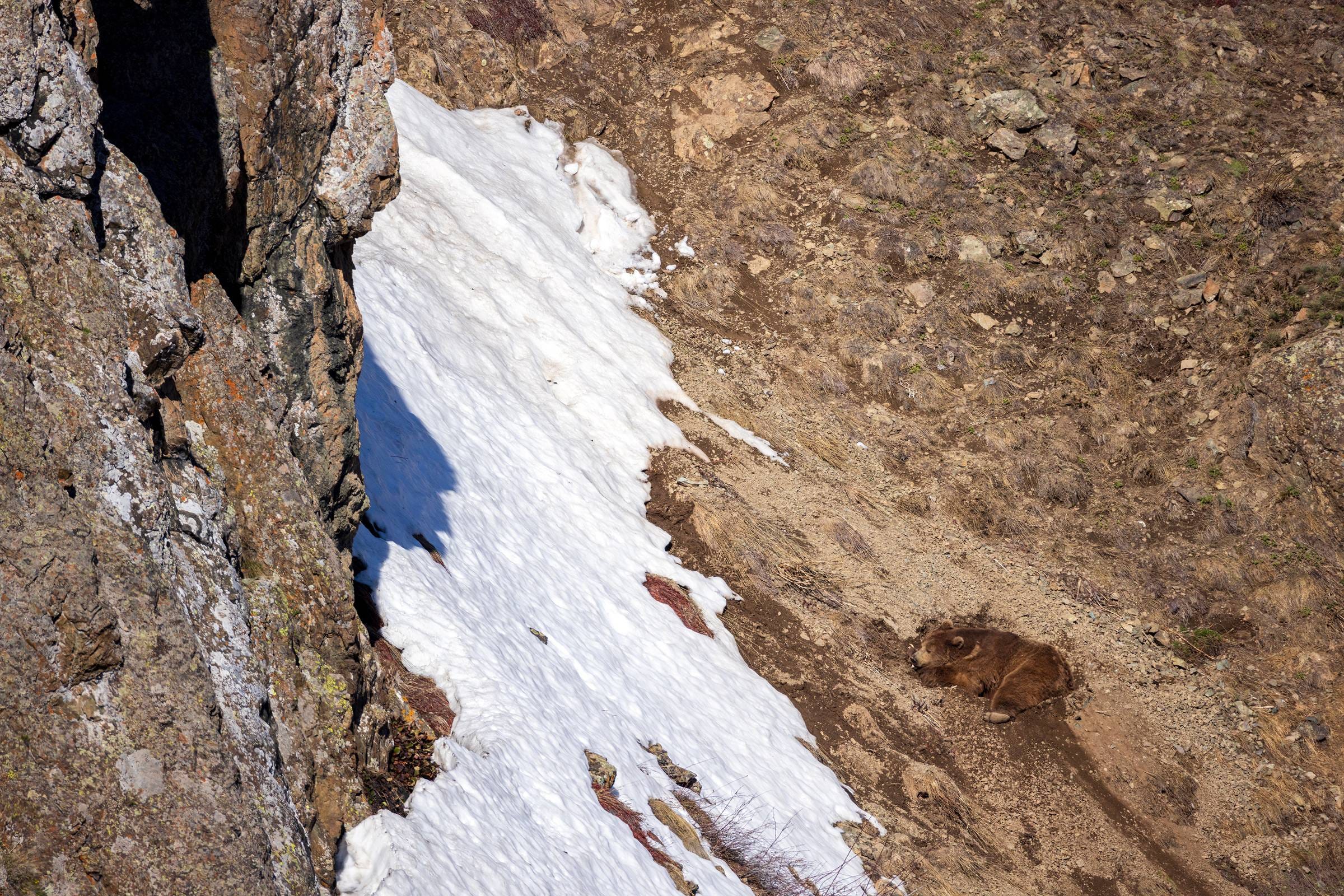
Himalayan Brown Bear
Apr 27–May 2. Our first conservation storytelling tour.
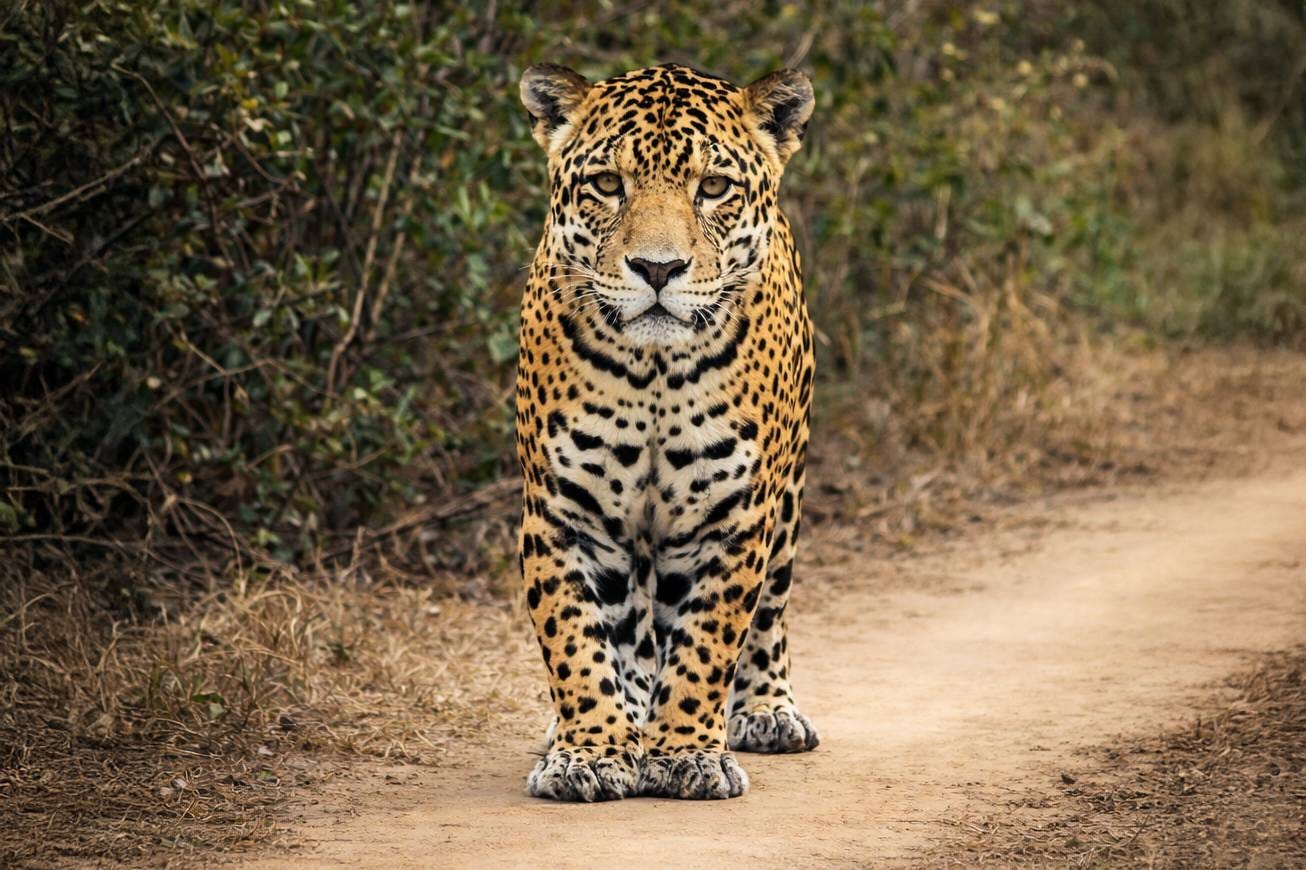
Bolivia Jaguars
Jun 16-24. On foot with jaguars. Exclusive. Unforgettable.
Click to see our fill list of tours
Feel free to reply to this email with any questions, feedback, or just to share your latest wildlife photos. Feel free to share this message with fellow nature lovers, too—let’s grow this community together!
Thank you for being a part of The Wildlife Collective community. Stay tuned for more updates, tips, and incredible wildlife encounters!
Best regards,
Zac Mills
The Wildlife Collective