
Just over a year ago, a dream that had been building for a decade finally became real.
For the past ten years, I had imagined what it might be like to have a safari camp in the Masai Mara in Kenya. The Mara has always felt like one of the last truly wild places on earth. Endless golden plains, lions calling at night, elephants moving through the acacia trees, and some of the most spectacular wildlife viewing anywhere in Africa.
But dreaming about a safari camp and actually building one are two very different things.
Last year, that dream came to fruition when we opened Kapoto Camp. After years of planning, partnerships, and countless small steps along the way, we finally welcomed our first guests.
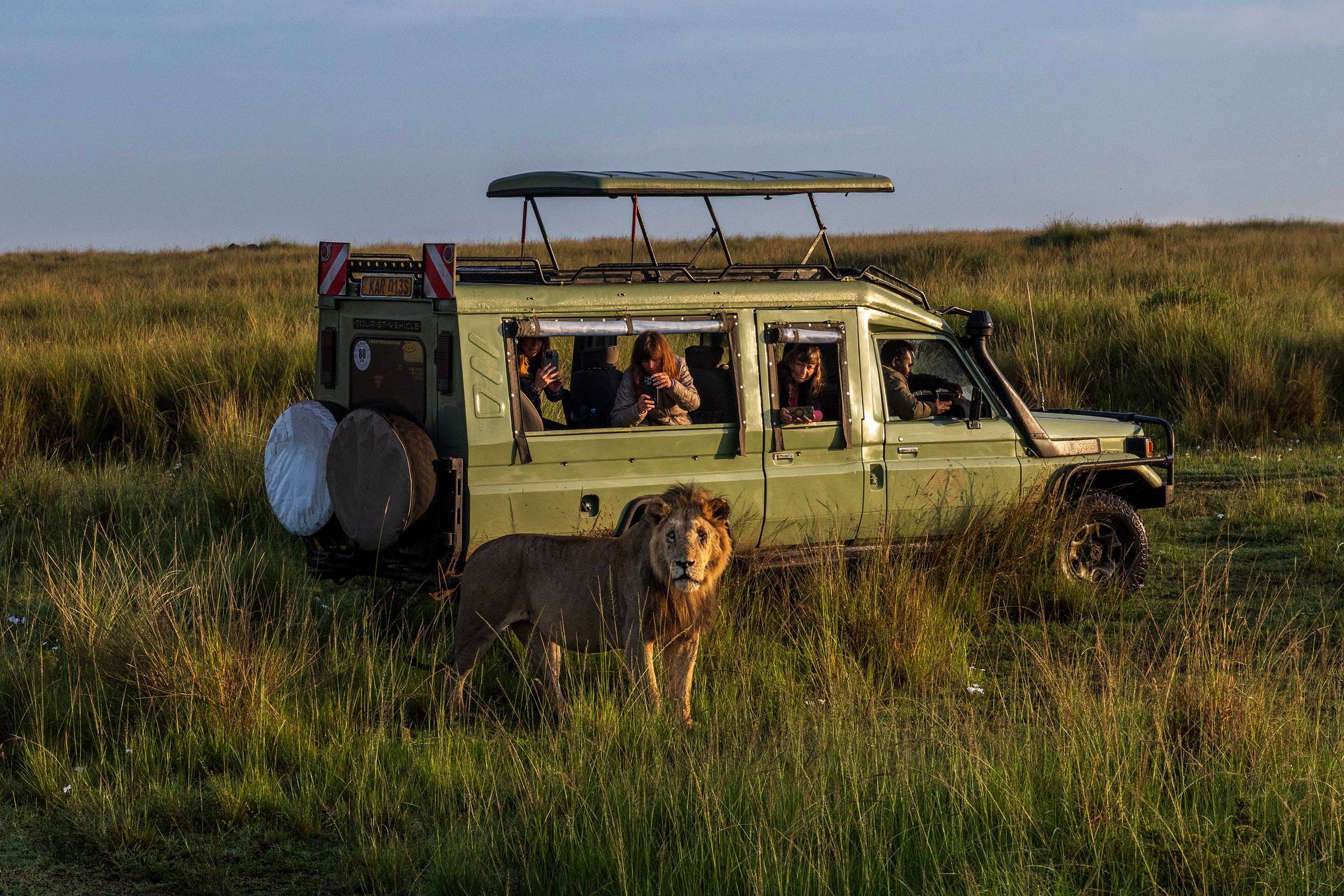
In many ways, opening the camp felt like reaching the summit of a mountain.
In reality, it was just the beginning.
Getting a safari camp operational is one thing. Making it sustainable is something else entirely. Once the doors open, the real responsibility begins. Staff salaries need to be paid. Supplies need to be brought in. Vehicles need to be maintained. Tents, kitchens, generators, water systems, and logistics all have to function smoothly in a remote environment.
Most importantly, you need guests.
Without people coming to experience the Mara with us, there is no way to support the team that works so hard behind the scenes to make Kapoto what it is.
That realization was one of the biggest lessons of this first year. Opening the camp was a huge milestone, but it was really only step one. The next challenge has been building awareness, refining the experience, and slowly growing a steady stream of visitors who want to share in this incredible place.
Like any new venture, the first year has had its share of highs and lows.
We’ve had some staff turnover, which is a normal part of life in remote safari camps but still something that requires patience and adaptation. Each change has been an opportunity to refine the team and bring in people who believe deeply in what we’re building.
Behind the scenes, we’ve also been learning constantly. Running a camp in the Mara means establishing systems and policies that allow everything to operate smoothly day after day. From logistics and guiding standards to guest experiences and team coordination, there is always something new to figure out.
We’ve also been working on what we’re calling Kapoto 2.0.
Over the past year we’ve begun planning renovations and improvements that will elevate the camp even further. The goal has always been to create something special here, and now that we’ve had a full season of guests, we have a much clearer understanding of how to refine and improve the experience.
At the same time, we launched a new website to better share the story of Kapoto and reach people around the world who might dream of visiting the Masai Mara.
Through all of this learning and adjusting, one thing has remained beautifully constant.
The wildlife.
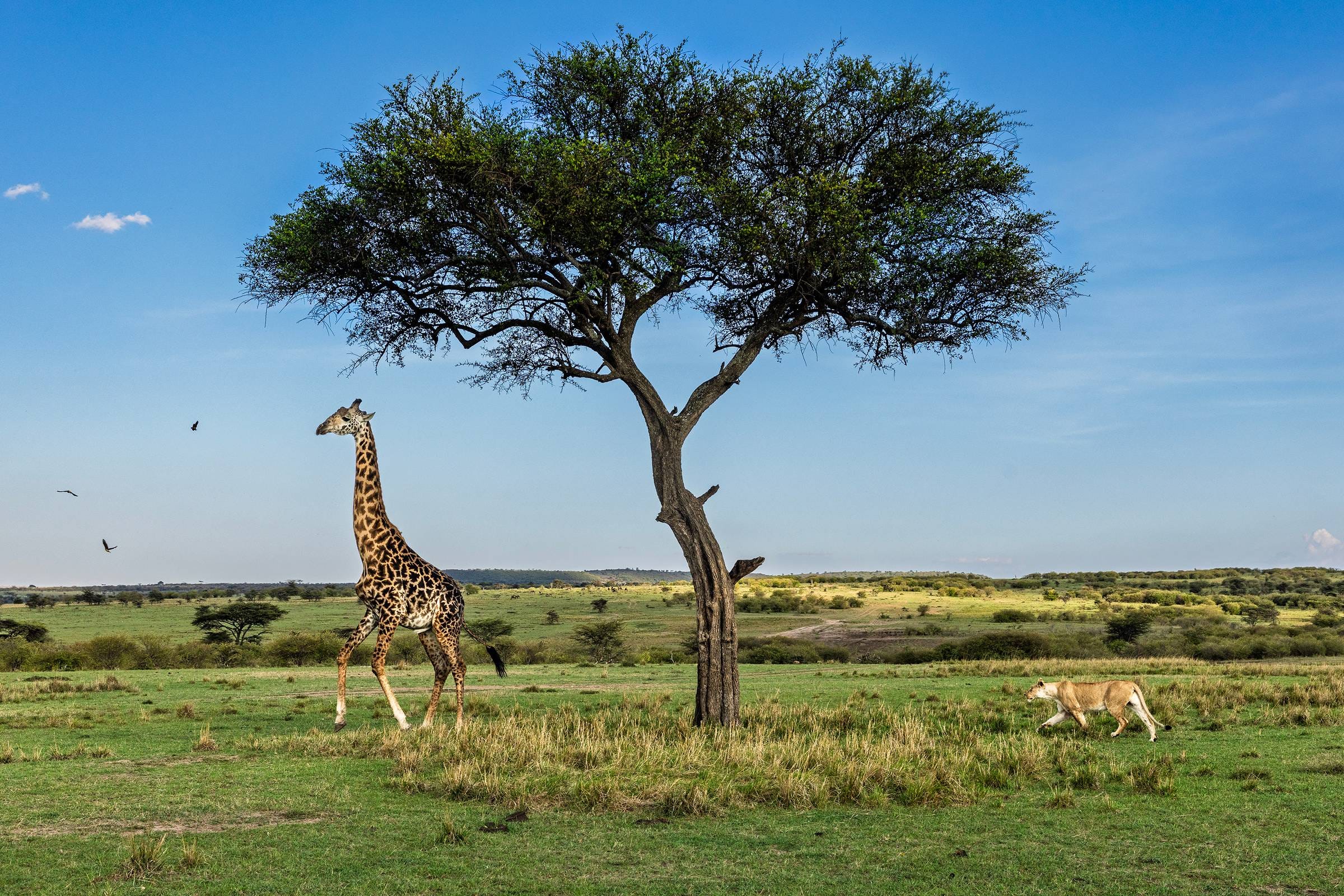
The Masai Mara is simply extraordinary. Every day brings something different. Lions chasing a giraffe. Cheetahs scanning the plains for gazelle. Leopards draped across acacia branches.
Even after 15 years of visiting the Mara, I appreciate it more and more each day.
One of the most rewarding parts of this past year has actually been bringing my own family to Kapoto. Taking my young kids on safari has been incredibly special. The Mara has become a whole new classroom for them. They are constantly spotting animals, asking questions, and learning about how wildlife lives and survives on these plains.
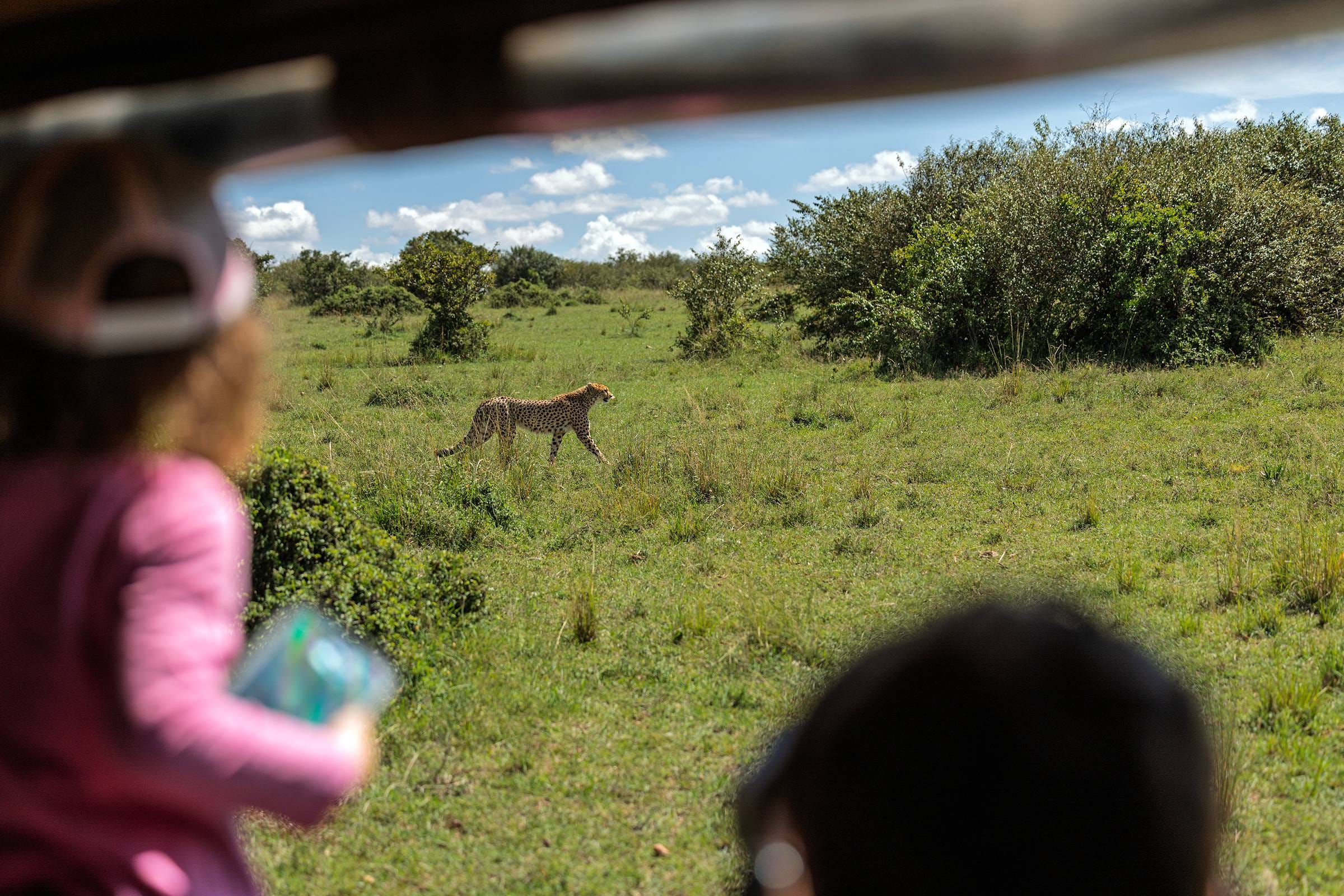
They’re beginning to understand things that are hard to teach in a traditional classroom, like how ecosystems work and what coexistence between people and wildlife really means. Watching that curiosity grow in them has been one of the most meaningful parts of this journey.
Looking back at this first year, it’s clear that building a safari camp is a process of constant learning. Nothing goes exactly according to plan. There are always challenges to solve and new systems to build.
But slowly, step by step, the vision becomes clearer.
The team is growing stronger. The experience is evolving. Kapoto 2.0 is beginning to take shape.
And most importantly, the dream that started more than ten years ago is now alive on the plains of the Masai Mara.
We’re still just getting started, and the future feels incredibly exciting.
Quote of the Week
If plan A doesn’t work, the alphabet has 25 more letters.
— Claire Cook
Conservation News
Kenya Showed the World Another Way to Value Wildlife
Kenya made a defining conservation decision in 1977, when the government banned trophy hunting across the country. At the time, hunting had deep colonial roots in East Africa. For decades during the colonial era, large parts of the landscape were used as hunting grounds for wealthy visitors who came to shoot lions, elephants, rhinos, and other wildlife as trophies. Even after independence, commercial hunting operations continued across much of Africa, and many countries still viewed hunting as the primary way wildlife could generate revenue.
Kenya chose a different path. Rather than continuing to treat wildlife as a commodity to be harvested, the government made the bold decision to eliminate trophy hunting and instead build a national wildlife economy centered around tourism. The idea was simple but powerful: animals would be worth far more alive than dead if people from around the world could come to see them in the wild.
Over the decades that followed, this strategy helped transform Kenya into one of the most recognizable wildlife destinations on earth. The country’s national parks and reserves became synonymous with iconic African wildlife. In places like the Masai Mara National Reserve, wildlife is not hidden away inside private hunting concessions. It is part of a living, open landscape where visitors can watch lions moving across the plains at sunrise, elephants crossing rivers, and cheetahs sprinting after gazelles across the savanna.
The economic impact of this decision has been enormous. Wildlife tourism is now one of Kenya’s most important industries, supporting hundreds of thousands of jobs directly and indirectly. Safari camps, guides, conservation organizations, and community conservancies all depend on healthy wildlife populations. The animals themselves have become the foundation of a global tourism brand that draws travelers, photographers, researchers, filmmakers, and conservationists from every corner of the world.
This model has also encouraged new conservation partnerships. Across the greater Mara ecosystem, many Maasai landowners have chosen to set aside their land for wildlife through community conservancies rather than converting it to agriculture or other uses. These conservancies create income through tourism while protecting habitat for lions, elephants, leopards, cheetahs, and countless other species. It is not a perfect system and challenges remain, but it represents one of the most important examples in coexistence between wildlife and local communities anywhere in Africa.
Nearly fifty years after the hunting ban, Kenya’s decision still stands as one of the most influential conservation policies in modern African history. While some countries have continued to promote trophy hunting as a conservation tool, Kenya built an entirely different model based on wildlife viewing, tourism, and the global fascination with seeing animals free in the wild.
For me personally, this is exactly how it should be. I am against trophy hunting in all its forms. I believe wildlife has far greater value alive than dead. Around the world, people are willing to travel incredible distances to see animals in their natural habitat, to photograph them, and to experience the ecosystems they are part of. That living value creates far more opportunity for conservation, tourism, research, and local livelihoods than a single animal killed for a trophy.
When people stand on the plains of the Mara and watch a pride of lions moving through the grass or elephants silhouetted against a red African sunset, they are witnessing something far more powerful than a trophy on a wall. They are witnessing a living ecosystem. And protecting that experience for future generations is, in my view, one of the most important conservation choices we can make.
More Tours Coming Soon
Soon I’ll be announcing a brand new tour in a brand new location featuring a white bear that I’m incredibly excited about. In the meantime, I’m just finalizing a few details for our India dates next year, which I’ll be announcing very shortly as well.
Our mission is simple but ambitious: to create the most meaningful and ethical wildlife experiences in the world for bears, great apes, and big cats, while supporting the conservation of these remarkable species. Most of our 2026 tours are now full, which we are incredibly grateful for. Below is a list of the remaining available spots for the year, with additional tours for 2027 & 2028 to be announced in the coming weeks.
2026 Tours with Availability
June 16-24: Bolivia Jaguars on Foot (4 spots)
Sept 2-9: Kenya Big Cat Safari (2 spots)
Sept 13-21: Brazil Jaguars (4 spots)
*NEW Nov 24-30: Mountain Gorillas (3 spots)
*NEW Nov 30 – Dec 5: Mountain Gorillas (4 spots)
Click to see our fill list of tours
Feel free to reply to this email with any questions, feedback, or just to share your latest wildlife photos. Feel free to share this message with fellow nature lovers, too—let’s grow this community together!
Thank you for being a part of The Wildlife Collective community. Stay tuned for more updates, tips, and incredible wildlife encounters!
Best regards,
Zac Mills
The Wildlife Collective