
Polar Bears International Responded. But They Still Haven’t Answered My Question.
Polar Bears International Responded. But They Still Haven’t Answered My Question.
Yesterday, I published an article explaining why I no longer support Polar Bears International.
My concern is simple. Every year, polar bears are killed in Canada, and some of their skins and other body parts are sold internationally. I believe that commercial trade needs to end.
I questioned why major conservation organizations, including Polar Bears International (PBI), have opposed efforts to strengthen international trade protections for polar bears.
PBI has now responded publicly to my Instagram post. I’m glad they did, particularly during Polar Bear Week, when so much attention is focused on protecting these animals.
But they still haven’t answered my question.
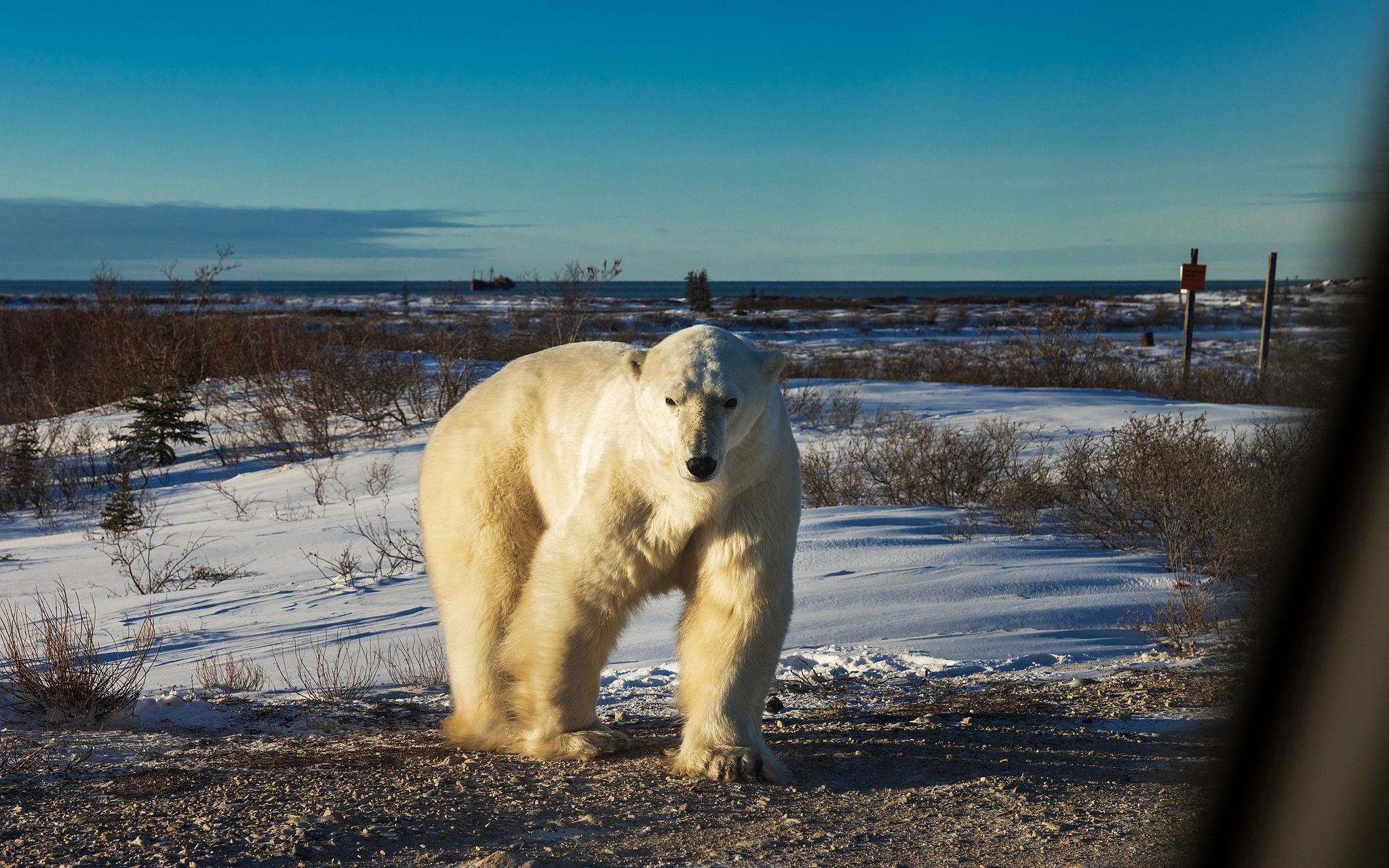
What Polar Bears International Said
Here is PBI’s response in full:
Thank you to everyone sharing their passion and concern for polar bears — we welcome the conversation. To be clear, Polar Bears International doesn’t fund or promote polar bear trade. It’s important to know that subsistence hunting and trade aren’t separate — the vast majority of skins sold internationally are a byproduct of subsistence hunting and represent bears that helped feed a community. Climate change is the greatest threat polar bears face, but we’re working on the other threats too. Coexistence is a core focus of our work, including sustainable tourism that helps communities benefit from living bears. These are complex issues, and we welcome you to learn more about the issue and the reason for our stance, here: pbears.org/hunting
My Response to PBI
Here is the response I drafted in reply:
Thank you for responding. I recognize the important work PBI does, and I understand that climate change is the greatest threat to polar bears. I’ve never disputed that. I also fully respect Inuit subsistence hunting rights.
But I think you’re avoiding the central question I’m raising.
I’m not suggesting that PBI funds or promotes the trade. I’m questioning why an organization dedicated to protecting polar bears supports maintaining a system that allows their skins and body parts to be sold internationally.
So I’d appreciate a direct answer to a simple question:
Does Polar Bears International support ending the international commercial trade in polar bear skins and body parts? Yes or no?
I’m not asking about subsistence hunting or whether the trade is currently considered sustainable. I’m asking whether PBI believes there should continue to be an international commercial market for dead polar bears.
I think your supporters, myself included, deserve a clear answer to that question.
Why I’m Asking
I think it’s important to distinguish between subsistence hunting and international commercial trade.
Indigenous communities have hunted polar bears for generations. Having just returned from Nunavut, where I witnessed the polar bear hunting season firsthand, I have many questions about the economic incentives behind killing these animals, particularly the role that money from selling skins plays in hunting decisions. That’s something I intend to investigate further.
But right now, I’m questioning why polar bear skins and other body parts should be sold internationally as commercial products.
PBI argues that most internationally traded skins come from bears that “helped feed a community.” I have questions about that claim. But even if we accept it, why should an international commercial market exist in the first place?
A bear can be hunted for food without its skin being exported and sold overseas. And surely it’s reasonable to ask whether international demand creates additional financial incentives to kill polar bears.
This brings me to CITES Appendix I.
Polar bears are currently listed under Appendix II, which allows regulated international commercial trade. Moving them to Appendix I would prohibit that trade, without itself prohibiting Indigenous subsistence hunting.
Proposals to move polar bears to Appendix I were rejected in 2010 and 2013. Major conservation organizations opposed those proposals, and I still struggle to understand why an organization dedicated to protecting polar bears would not support stronger international trade protections.
PBI says it doesn’t fund or promote the trade. But that’s not the same as opposing it.
I want to know where they stand today.
Who Is Actually Standing Up for Polar Bears?
That’s the question I keep coming back to.
We have organizations dedicated to protecting polar bears, scientists studying them, photographers documenting them and millions of people who care about their future.
But what does standing up for polar bears actually mean?
Is it raising awareness about climate change? Funding research? Sharing beautiful photographs? Of course, those things matter. I’ve devoted much of my life to photographing wildlife and inspiring people to care about the animals we share this planet with.
And I agree that climate change is the greatest long-term threat to polar bears.
But that doesn’t mean we should ignore other threats.
We can address climate change while also questioning the international commercial trade in polar bear parts. These aren’t mutually exclusive.
I find it difficult to reconcile celebrating polar bears during Polar Bear Week while defending a system that allows their skins to be sold internationally.
And I wonder how many people donating to polar bear conservation organizations even know about this trade, let alone understand where those organizations stand on it.
I certainly didn’t understand the full picture until recently.
It’s Time to Start a Campaign
I think it’s time to start a public campaign to end the international commercial trade in polar bears.
I spent a decade working at the World Bank as a governance expert and data analyst. Much of my work involved understanding complex systems, following the data and making information accessible so people could make better decisions.
I want to bring that experience to this issue.
My plan is to build a public website that brings together the available data on polar bear hunting and international trade.
How many polar bears are killed each year? Who is buying their skins? How much money is involved? Where does that money go? Does international demand influence hunting decisions? And which conservation organizations support or oppose stronger protections?
I want to work with researchers, conservationists and people in northern communities to find answers and make that information publicly available.
I don’t pretend to know everything about this issue. The more I learn, the more questions I have. And I’m willing to listen to evidence that challenges my own position.
But I believe the public deserves transparency from organizations asking for their support.
And I want to give people who care about polar bears a way to get involved.
What Does Polar Bear Week Really Mean?
Polar Bear Week was created by PBI to raise awareness about polar bears and the threats they face.
But awareness needs to lead somewhere.
We can share beautiful photographs, celebrate these extraordinary animals and talk about how urgently they need our help. But surely we should also be willing to question the policies that affect their future.
So this Polar Bear Week, I’m asking people to look beyond the photographs and conservation messages. Ask the organizations you support where they stand on the international commercial trade in polar bears.
I’m going to start asking those questions publicly, examining the data and building a campaign to end that trade.
And I’m starting with Polar Bears International.
Do you support moving polar bears to CITES Appendix I? Yes or no?
I think your supporters deserve an answer.
Stay tuned.
Quote of the Day
It takes more than good intentions. It takes commitment.
— John Trudell, We Are Power (1980)
Thank you for being part of The Wildlife Collective. Together, we are helping build a deeper connection between people and the natural world while supporting the conservation of wildlife and wild places. Stay tuned for more stories from the field, conservation news, photography tips, and unforgettable wildlife encounters from around the globe.
Until next time, keep exploring, keep learning, and keep falling in love with the wild.
Zac Mills
The Wildlife Collective