
I’ve been fortunate to spend my life standing in some of the wildest places left on Earth.
I’ve watched spirit bears catch salmon in the Great Bear Rainforest. I’ve sat with mountain gorilla families as mothers gently cared for their young. I’ve followed fresh tiger tracks through the jungles of India, knowing one could appear around the next bend.
Every one of those moments had one thing in common.
Habitat.
Not the animal itself. The place that allows the animal to exist.
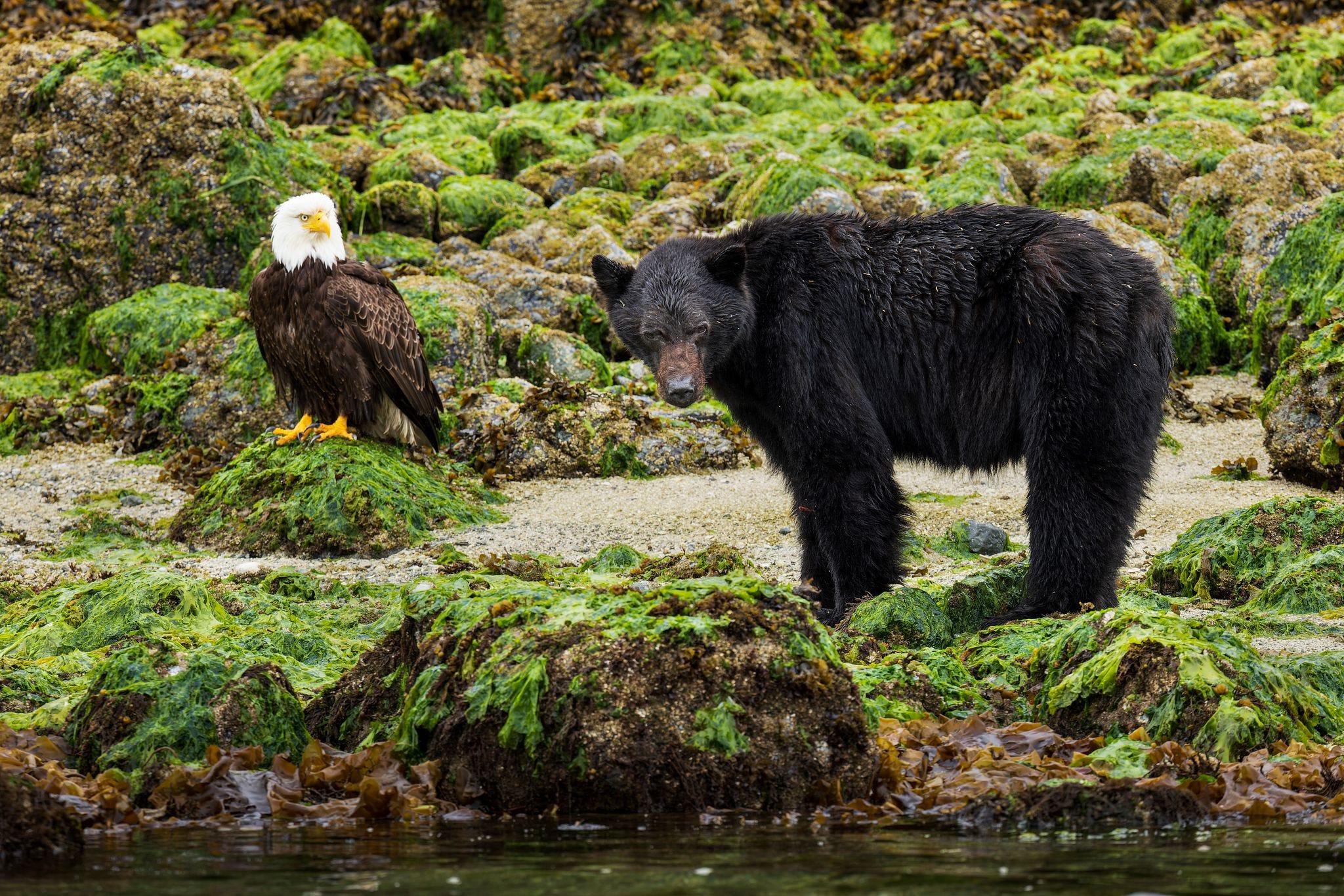
This week, the U.S. government finalized a significant change to how the Endangered Species Act will be interpreted. For decades, destroying or significantly degrading the habitat an endangered species depends on could itself be considered “harm” under the law. Under the new rule, that definition has been narrowed, meaning habitat destruction alone may no longer trigger the same protections unless the animals themselves are directly injured or killed. Supporters argue the change restores the law’s original intent, reduces unnecessary regulation, and better protects private property rights. Conservation organizations argue it removes one of the most important tools for preventing extinction because habitat loss is the leading cause of biodiversity decline. Legal challenges are already expected.
Whether you’re conservative, liberal, or somewhere in between, I think it’s worth asking a simple question.
How do you protect wildlife if you don’t protect the places they live?
Imagine bulldozing a gorilla family’s forest but promising not to touch the gorillas themselves.
Or draining the marsh where whooping cranes nest.
Or fragmenting the rainforest that an orangutan depends on for food, shelter, and raising its young.
Technically, you may never lay a hand on the animal.
But eventually, it disappears anyway.
That’s because conservation has never been only about protecting individual animals. It’s about protecting functioning ecosystems.
One of the biggest misconceptions I hear is that wildlife conservation is about saving cute animals. It isn’t.
It’s about clean water.
Healthy forests.
Pollinators that support agriculture.
Wetlands that reduce flooding.
Predators that keep ecosystems balanced.
The truth is that when we protect habitat, wildlife benefits. But so do we.
I’ve seen this lesson play out over and over again.
In Alaska, some of the richest salmon streams on Earth also happen to be some of the most important brown bear habitats. Protect one, and you protect the other.
Nature rarely separates itself into neat categories.
Everything is connected.
As someone who has spent years photographing wildlife, I’ve come to realize that my favorite images aren’t really about animals.
They’re about relationships.
A bear feeding where salmon return every year.
An orangutan moving through an intact rainforest.
A gorilla family existing because generations before them still had somewhere to live.
Without those places, those photographs simply don’t exist.
Neither do the stories.
The Endangered Species Act has long been considered one of the most successful conservation laws ever enacted. It has helped prevent the extinction of hundreds of species and contributed to the recovery of iconic wildlife including bald eagles, American alligators, and California condors. While many listed species remain endangered, the law has repeatedly demonstrated that giving wildlife the space and time to recover can work.
Of course, conservation is rarely black and white.
Communities need jobs.
People need housing.
Countries need energy.
These are real issues, and pretending otherwise doesn’t move the conversation forward.
The challenge has always been finding ways to meet human needs without sacrificing the natural systems that ultimately support us.
That balance isn’t easy.
But abandoning habitat protection doesn’t feel like balance.
It feels like moving the goalposts.
One of the reasons I started The Wildlife Collective was because I believe people protect what they love.
You can’t fall in love with a statistic.
You fall in love with watching a young bear chase butterflies.
With hearing wolves howl across a valley.
With making eye contact with a mountain gorilla.
Those moments create conservationists.
But those moments only happen if wild places still exist.
Conservation isn’t about choosing animals over people.
It’s about recognizing that people are part of nature too.
When forests disappear, rivers change.
When wetlands disappear, floods become worse.
When ecosystems unravel, we lose far more than wildlife.
We lose resilience.
We lose beauty.
We lose options for future generations.
Whether this new interpretation ultimately survives in court remains to be seen.
But regardless of politics or legal definitions, one fact hasn’t changed.
Wild animals need wild places.
And if we truly want future generations to inherit a world where bears still roam, gorillas still thrive, and orangutans still swing through ancient forests, protecting habitat cannot become an afterthought.
Because in the end, the greatest threat to wildlife isn’t simply that animals die.
It’s that they have nowhere left to live.
Quote of the Day
It is horrifying that we have to fight our own government to save the environment.
— Ansel Adams
Something Big Is Coming
While I’ve been exploring new bear locations across Europe these past couple of weeks, I’ve also been pouring my energy into something behind the scenes. It’s a project that’s been on my mind for a long time and one that represents the direction I want The Wildlife Collective to keep growing. I want us to do more than raise awareness. I want us to become a bigger force for the conservation organizations protecting wildlife around the world. It all begins in just a few days, and I think you’re going to love what’s coming.
I’ll also be announcing several new European bear expeditions soon, all focused on observing and photographing truly wild bears. These experiences are built around natural bear behaviour, with no baiting or artificial feeding, allowing us to witness bears as they should be seen. Along the way, we’ll immerse ourselves in incredible local food, rich history, and vibrant cultures, making these journeys about far more than bears alone. And in every destination, we’ll also have the chance to encounter other iconic predators, including wild wolves and Eurasian lynx. Please let me know if you are interested.
Thank you for being part of The Wildlife Collective. Together, we are helping build a deeper connection between people and the natural world while supporting the conservation of wildlife and wild places. Stay tuned for more stories from the field, conservation news, photography tips, and unforgettable wildlife encounters from around the globe.
Until next time, keep exploring, keep learning, and keep falling in love with the wild.
Zac Mills
The Wildlife Collective