
If you ask someone to name the world’s most dangerous animals, you’ll probably hear the same answers.
Bears.
Wolves.
Sharks.
Snakes.
For centuries, we’ve built stories around these animals. Fairy tales portrayed wolves as villains. Hollywood convinced us sharks are relentless killers. News headlines often reduce bear encounters to fear, and snakes have become symbols of evil in cultures around the world.
The strange thing is that the more time I’ve spent with these animals, the harder it has become to fear them.
Instead, I’ve come to respect them.
Not because they’re harmless. They’re not.
They’re wild animals, capable of hurting or killing us if we make the wrong decisions. But the version of these species that exists in the public imagination is often wildly different from reality.
And that’s a problem.
Because people rarely fight to protect what they fear.
Bears: Giants We Were Taught to Fear
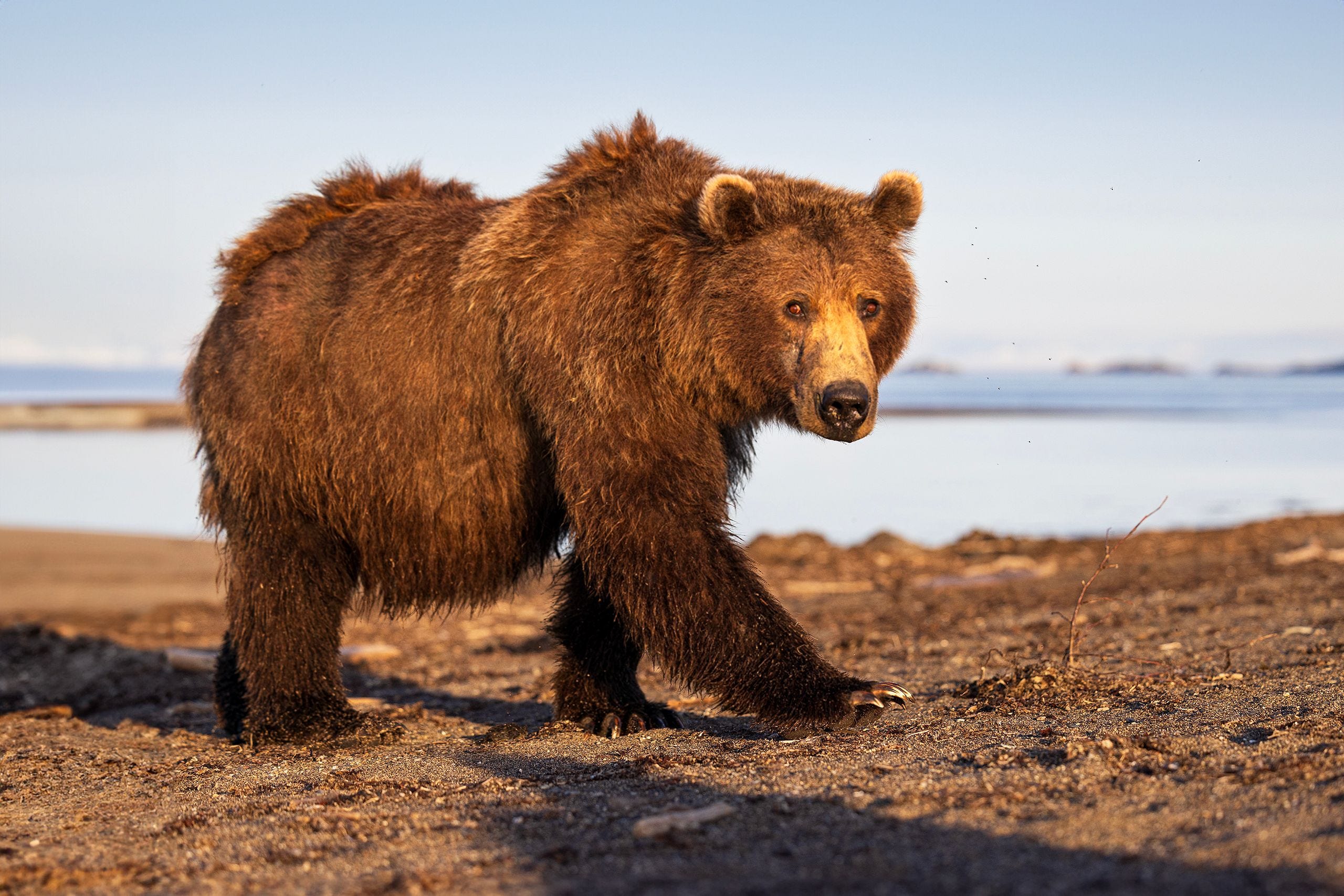
If you’ve followed my work for any length of time, you probably know bears changed my life.
The first time I truly understood them wasn’t in a zoo or through a documentary. It was standing on the shores of Katmai National Park in Alaska, surrounded by enormous coastal brown bears going about their lives.
Fishing.
Playing.
Sleeping.
Mothers patiently teaching cubs where to find salmon.
Dominant males tolerating one another because there was enough food for everyone.
None of it matched the image I’d grown up with.
Movies, headlines, and warning signs had convinced me bears were unpredictable killing machines.
Instead, I discovered animals that spend most of their lives trying to avoid conflict.
That doesn’t mean bears are safe. Every year, people are injured because they ignore warning signs, surprise bears, or push too close for a photograph.
But aggression isn’t their default.
I’ve now spent thousands of hours with wild bears across North America, Europe, Asia, and South America. I’ve watched them solve problems, play with one another, show incredible patience with their young, and display personalities as distinct as people.
Some are bold.
Some are shy.
Some are endlessly curious.
Most simply want to be left alone.
Yet bears remain one of the most feared animals on Earth, and that fear often drives policies based on politics instead of science.
When people stop seeing bears as individuals and start seeing them only as threats, conservation becomes much harder.
Wolves: Victims of Stories
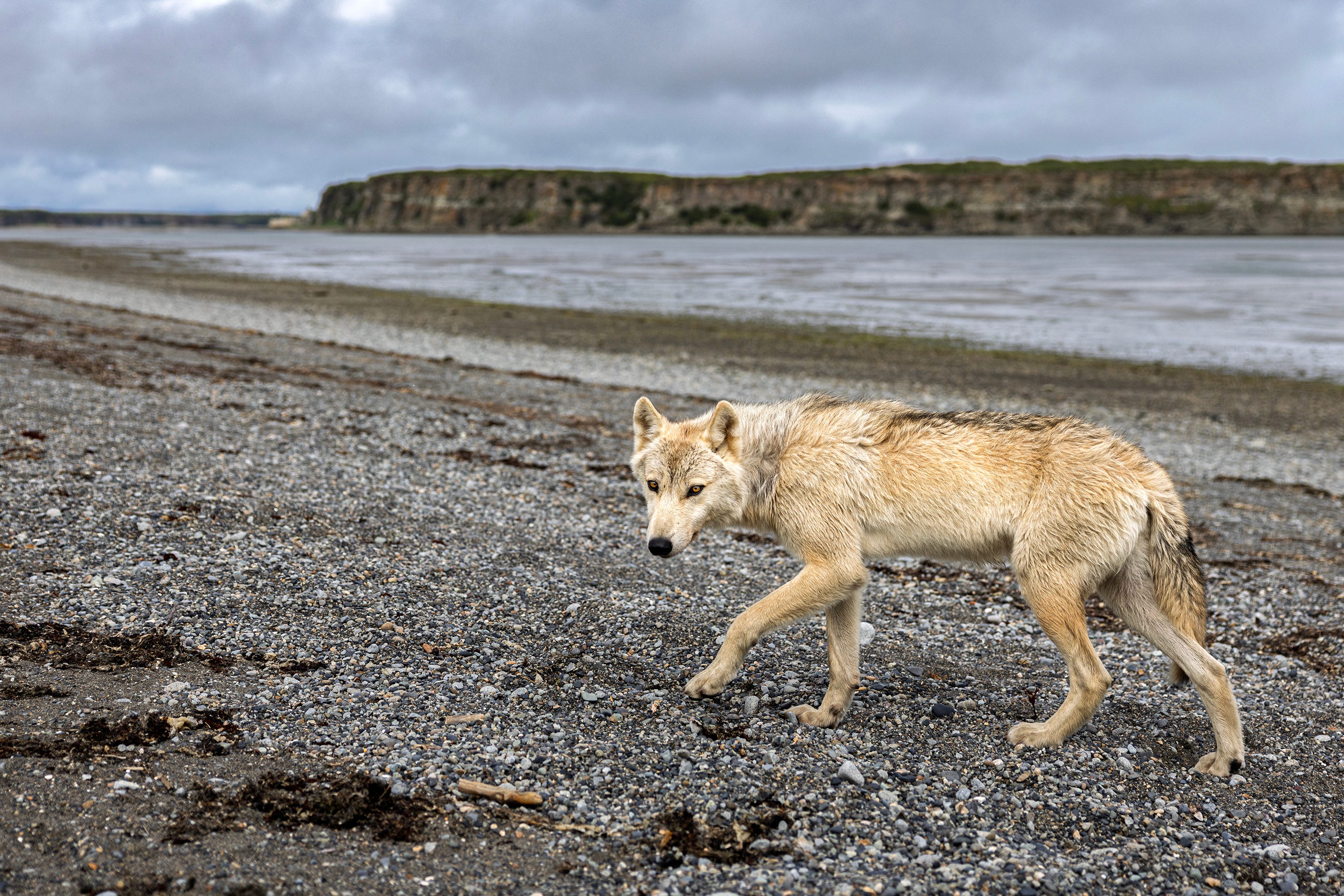
Few animals have suffered more from storytelling than wolves.
The Big Bad Wolf.
Little Red Riding Hood.
The Three Little Pigs.
Generation after generation has grown up believing wolves are bloodthirsty predators waiting in the forest.
Reality couldn’t be more different.
Wild wolves are extraordinarily difficult to see.
I’ve spent countless days searching for them, following tracks, listening for howls, scanning valleys, and coming home empty-handed.
That’s because wolves generally want nothing to do with us.
They’re highly intelligent, incredibly social animals that live within complex family groups. They cooperate to hunt, care for pups together, and rely on one another to survive.
In many ecosystems, wolves also play a critical role by keeping prey populations healthy and balanced.
Their return to places like Yellowstone transformed entire landscapes in ways scientists are still studying today.
Yet fear continues to shape how we think about them.
The irony is that most people who fear wolves have never actually seen one.
Sharks: The Legacy of Jaws
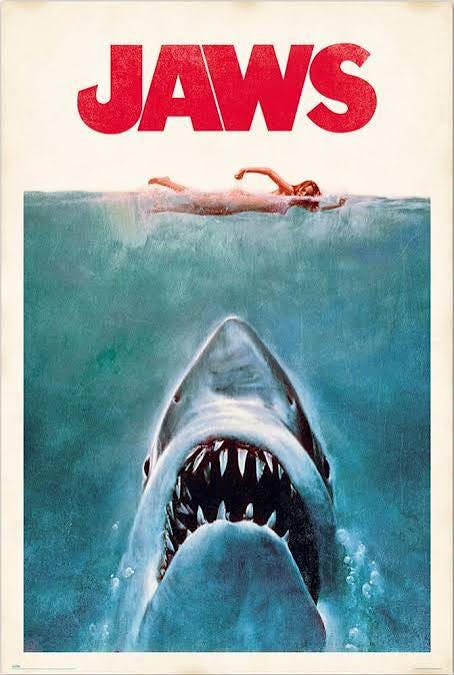
If one film changed public opinion about an animal more than any other, it was Jaws.
Released in 1975, it created one of the most successful thrillers ever made.
It also created one of conservation’s biggest public relations disasters.
Suddenly, sharks weren’t animals.
They were monsters.
Even Steven Spielberg has since spoken about regretting the unintended impact the film had on public attitudes toward sharks.
The numbers tell a completely different story.
Millions of people enter the ocean every single day.
Fatal shark bites remain incredibly rare.
Meanwhile, humans kill an estimated 100 million sharks every year through commercial fishing, finning, and bycatch.
Who’s really the apex predator?
I’ve been fortunate enough to snorkel with sharks around the world, from reef sharks to tiger sharks.
Every encounter has left me with the same feeling.
Not fear.
Wonder.
These animals have survived for over 400 million years. Long before dinosaurs walked the Earth.
They deserve our respect, not our hatred.
Snakes: Feared for Existing
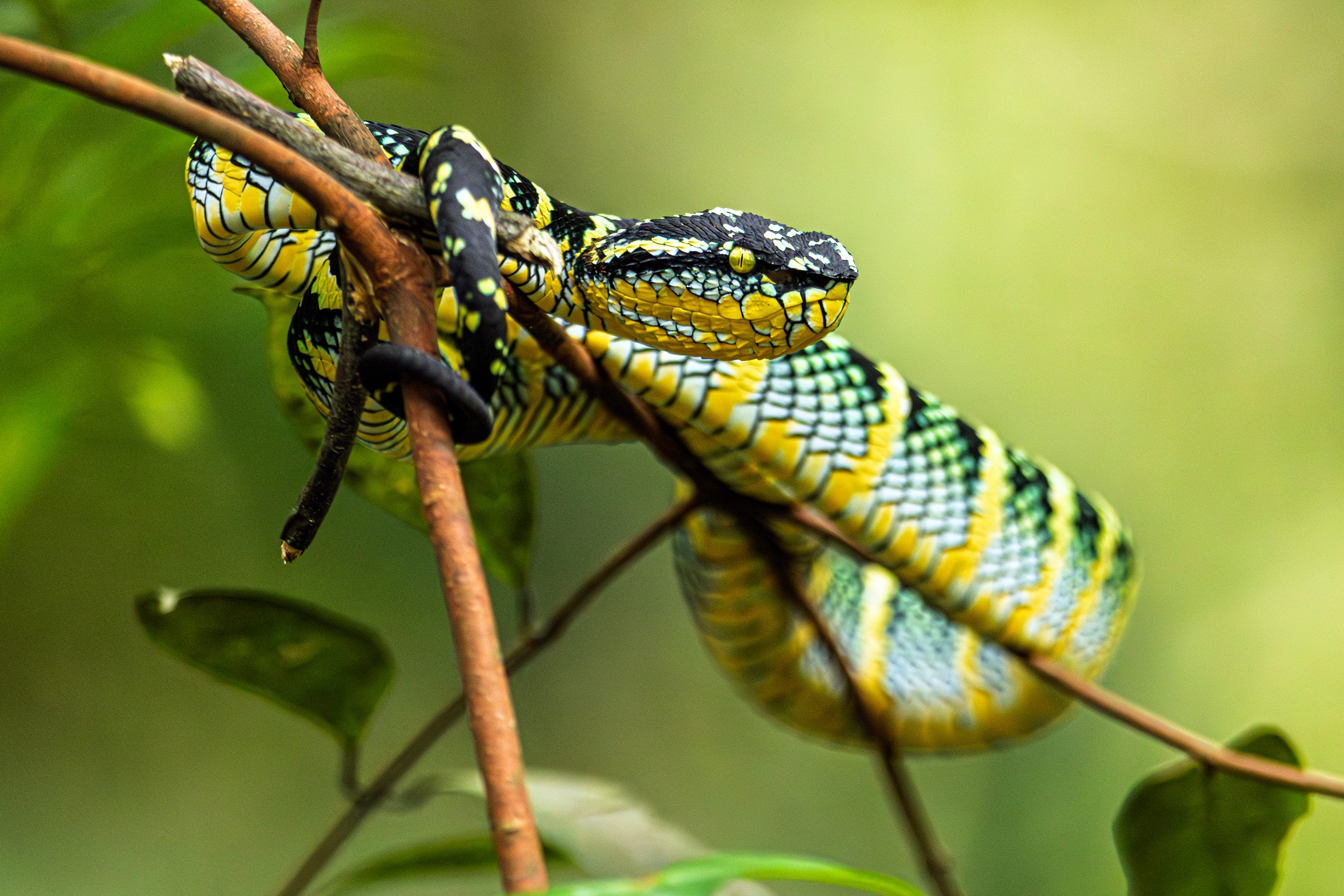
Most snakes pose no danger to people.
Even venomous species would rather escape than fight.
Venom is expensive to produce. Wasting it on something they can’t eat makes little evolutionary sense.
Yet snakes are killed every day simply because someone saw one in the yard.
They’re among the most misunderstood animals on the planet.
Without snakes, rodent populations would explode, bringing increased crop damage, disease transmission, and ecosystem imbalance.
Like wolves, sharks, and bears, snakes perform jobs most people never notice until they’re gone.
Fear Is Easy. Understanding Takes Effort.
Respect means giving wildlife space.
Learning how to behave in bear country.
Understanding why sharks bite in rare circumstances.
Knowing which snakes are venomous and which aren’t.
Appreciating wolves without trying to approach them.
The goal isn’t to convince people these animals are harmless.
It’s to replace irrational fear with informed respect.
Because fear leads to persecution.
Understanding leads to conservation.
I’ve learned that the greatest threat facing many of these animals isn’t what’s in their teeth, claws, or venom.
It’s what’s in our minds.
Fear is powerful. Stories are powerful. But so is truth.
The remarkable thing is that fear has a way of fading when you spend real time with these animals. Not a few seconds watching a viral clip. Not a sensational headline. Not a Hollywood movie. But hours. Days. Sometimes weeks immersed in their world, watching them simply be wild.
That’s when the stories begin to unravel.
The “man-eating” bear becomes a patient mother teaching her cubs to fish.
The “bloodthirsty” wolf becomes a devoted parent caring for its family.
The “killer” shark becomes a curious animal gliding silently through the ocean.
The “evil” snake becomes a shy creature doing everything it can to avoid confrontation.
I’ve seen people arrive on my tours terrified of bears and leave talking about their personalities. I’ve watched people overcome a lifelong fear of sharks after sharing the water with them. Time and time again, I’ve seen understanding replace fear with curiosity, respect, and ultimately, compassion.
That’s why I do what I do.
I believe one of my roles is to be a voice for the wild. Every expedition I lead, every photograph I share, and every story I tell has the same purpose: to help people see these animals for who they truly are, not who we’ve been taught to believe they are.
The world doesn’t need more fear. It needs more education, more awareness, and more understanding. Because once you spend time with these animals, really spend time with them, it’s remarkably difficult to see them the way the headlines do.
My hope is that one day bears, wolves, sharks, snakes, and so many other misunderstood species won’t be defined by myths or fear, but by the extraordinary roles they play in the ecosystems we all depend on.
If we can change the way we see them, we can change their future.
And I believe every story, every photograph, and every respectful encounter with wildlife brings us one step closer.
Quote of the Day
Only if we understand, can we care. Only if we care, will we help. Only if we help, shall all be saved.”
— Jane Goodall
Tomorrow is the start of something special
Yesterday, after a great hike with the family in the Canadian Rockies, I found myself reflecting on something I’ve been working on behind the scenes for a long time. It’s the beginning of a much bigger commitment for The Wildlife Collective. I want us to do more than raise awareness. I want us to become an even stronger force for the conservation organizations protecting wildlife around the world. It all begins tomorrow, and I can’t wait to share it with you.
Thank you for being part of The Wildlife Collective. Together, we are helping build a deeper connection between people and the natural world while supporting the conservation of wildlife and wild places. Stay tuned for more stories from the field, conservation news, photography tips, and unforgettable wildlife encounters from around the globe.
Until next time, keep exploring, keep learning, and keep falling in love with the wild.
Zac Mills
The Wildlife Collective