
Conservation stories can feel overwhelming these days.
Every week, it seems there is another headline about habitat loss, declining wildlife populations, or species pushed closer to extinction. The challenges facing wildlife are real, and they deserve our attention.
But every once in a while, there is a story that reminds us what is possible when people decide that a species is worth protecting.
The jaguars of Brazil’s Pantanal are one of those stories.
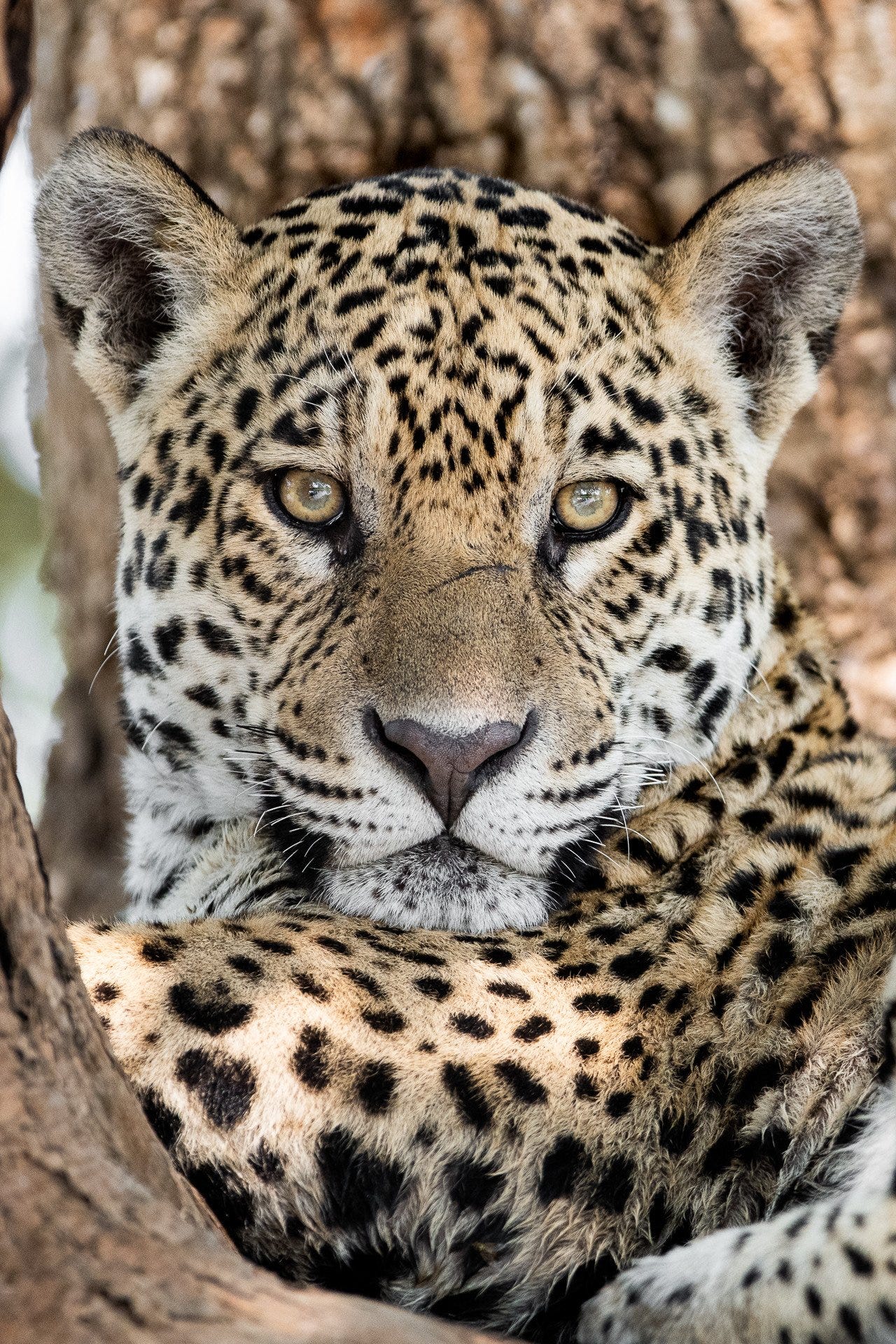
Today, the Pantanal offers some of the best opportunities on Earth to see wild jaguars. Photographers and wildlife enthusiasts travel from around the world hoping for a glimpse of the largest cat in the Americas. Yet not long ago, jaguars faced a very different reality.
For decades, jaguars were heavily persecuted throughout much of their range. They were hunted for their beautiful coats, killed in retaliation for livestock losses, and viewed by many as a threat rather than a treasure. Across Latin America, populations declined and jaguars disappeared from many areas where they had once roamed.
The Pantanal was not immune to these pressures.
What changed was something remarkable: people began to recognize that living jaguars were worth more than dead ones.
Local communities, ranchers, researchers, conservation organizations, and tourism operators started working together to create a new model. Instead of viewing jaguars as a problem, they became an asset. Wildlife tourism brought jobs, income, and opportunities that depended on healthy jaguar populations. Conservation organizations invested in research, education, and coexistence programs. Ranchers developed new approaches to reducing conflict with wildlife.
Slowly, attitudes began to shift.
Today, parts of the Pantanal support some of the highest densities of jaguars found anywhere in the world. In certain areas, seeing multiple jaguars in a single day is no longer unusual. Researchers have documented population increases in some regions, and the area has become a global example of how conservation and local economic benefits can work hand in hand.
To me, that is one of the most inspiring aspects of the story.
The recovery of jaguars in the Pantanal did not happen because people stopped using the landscape. It happened because people found a way to make conservation valuable. Local communities, guides, boat operators, lodges, and landowners all benefit when wildlife thrives. Jaguars that were once feared and persecuted are now helping support livelihoods and local economies.
It is a powerful reminder that conservation works best when people and wildlife both have a future.
That does not mean the work is finished.
The Pantanal still faces significant threats. Climate change, increasingly severe wildfires, habitat conversion, and human-wildlife conflict remain ongoing challenges. Conservation is never a destination. It is a process that requires constant effort and vigilance.
But the jaguar story gives me hope.
It reminds me that conservation can work.
It reminds me that people can change their relationship with wildlife.
And it reminds me that when communities benefit from protecting nature, both people and wildlife can thrive.
That is one of the reasons I am so excited that The Wildlife Collective will be running our first Pantanal Jaguar Expedition from September 13–21, 2026.
The Pantanal is one of those places that wildlife lovers dream about. Covering an area larger than many countries, it is the largest tropical wetland on Earth and one of the most wildlife-rich ecosystems. While jaguars are the stars of the show, they are only part of what makes this place so special.
Giant river otters patrol the waterways. Hyacinth macaws flash brilliant blue across the sky. Capybara gather along riverbanks. Thousands of caiman line the shores. Tapirs move through the forests. Every boat ride feels like stepping into a wildlife documentary.
What makes the Pantanal truly unique, however, is that it allows people to experience jaguars not as distant, elusive ghosts of the forest, but as thriving apex predators living in a healthy ecosystem.
In many places across their range, seeing a wild jaguar requires an extraordinary amount of luck. In the Pantanal, jaguar sightings are a realistic expectation. Watching a jaguar emerge from dense vegetation, patrol a riverbank, swim effortlessly across a channel, or stalk prey along the water’s edge is one of those wildlife experiences that stays with you forever.
That is why I believe wildlife tourism, when done responsibly, can be such a powerful force for conservation. People protect what they love. And people are far more likely to love something once they have experienced it for themselves.
During our September 13–21, 2026 expedition, we have intentionally limited the group to just four guests to create a highly personalized experience and maximize our time in the field.
We will spend our days exploring the winding waterways of jaguar country by boat, searching for wildlife and photographing natural behaviors. We will spend our evenings aboard a floating hotel in the heart of the Pantanal, surrounded by the sounds of one of the wildest places left on Earth.
The small group size allows us greater flexibility, more room for photography, and more opportunities to stay with wildlife encounters as they unfold. Whether it is a jaguar walking the shoreline, giant river otters fishing, or hyacinth macaws flying overhead, our goal is to be fully immersed in the experience.
For me, wildlife travel has always been about more than checking species off a list.
It is about developing a deeper connection to the natural world.
It is about witnessing conservation success stories firsthand.
It is about seeing what is possible when people choose to protect wildlife rather than exploit it.
The Pantanal is one of the best places on Earth to experience that firsthand.
Every jaguar seen along the river is a reminder that conservation works.
Every encounter tells a story of resilience, coexistence, and hope.
And in a world that often feels full of environmental challenges, I think we need more stories like that.
If seeing jaguars in the wild has always been on your bucket list, I would love to have you join us.
🐆 September 13–21, 2026
📍 Pantanal, Brazil
📸 Led by Cassie Noel and Katie Yarnell
👥 Maximum 4 guests
🎟️ Only 2 spots remain
The jaguars of the Pantanal remind us that conservation success is possible.
Not perfect.
Not finished.
But possible.
And sometimes, that is exactly the kind of story we need.
Quote of the Week
A world without jaguars would be a poorer, less wild place.
— Alan Rabinowitz
Jaguar Facts
One of the things that makes jaguars so fascinating is that they are unlike any other big cat. They are the largest cat in the Americas and the third-largest cat in the world, behind only tigers and lions. Built like tanks, jaguars have incredibly muscular bodies, broad heads, and some of the most powerful jaws in the animal kingdom. In fact, pound for pound, they possess the strongest bite of any big cat. While lions and leopards typically kill by suffocation, jaguars are famous for being able to bite directly through the skulls of their prey.
They are also remarkably adaptable. Jaguars can be found in rainforests, wetlands, dry forests, and even scrubland habitats stretching from Mexico to northern Argentina. Yet despite this wide range, they are notoriously elusive. In most places, seeing a wild jaguar is considered a once-in-a-lifetime experience. That is one of the reasons the Pantanal is so special. It offers one of the best opportunities anywhere on Earth to observe jaguars behaving naturally in the wild.
Another thing that surprises many people is how much jaguars love water. Unlike most cats, jaguars are excellent swimmers and spend a significant amount of time in and around rivers. In the Pantanal, it is not uncommon to watch a jaguar swim across a channel, patrol a riverbank, or even hunt aquatic prey. Some individuals regularly feed on fish, turtles, caiman, and capybara. Watching a 250-pound jaguar effortlessly glide through the water is one of those wildlife moments you never forget.
As apex predators, jaguars play a critical role in maintaining healthy ecosystems. By regulating prey populations, they help keep nature in balance. Their presence is often a sign that an ecosystem is functioning as it should. In many ways, protecting jaguars means protecting entire landscapes and the countless other species that share their habitat.
Perhaps my favorite jaguar fact is this: despite their immense power, they are surprisingly difficult to find. A healthy jaguar population can live all around you without ever being seen. That mystery is part of what makes them so captivating. Every jaguar sighting feels earned. Every encounter feels special. And when a spotted shape finally emerges from the riverbank vegetation, you understand why so many people become lifelong advocates for their conservation after seeing one in the wild.
Thank you for being part of The Wildlife Collective. Together, we are helping build a deeper connection between people and the natural world while supporting the conservation of wildlife and wild places. Stay tuned for more stories from the field, conservation news, photography tips, and unforgettable wildlife encounters from around the globe.
Until next time, keep exploring, keep learning, and keep falling in love with the wild.
Zac Mills
The Wildlife Collective