
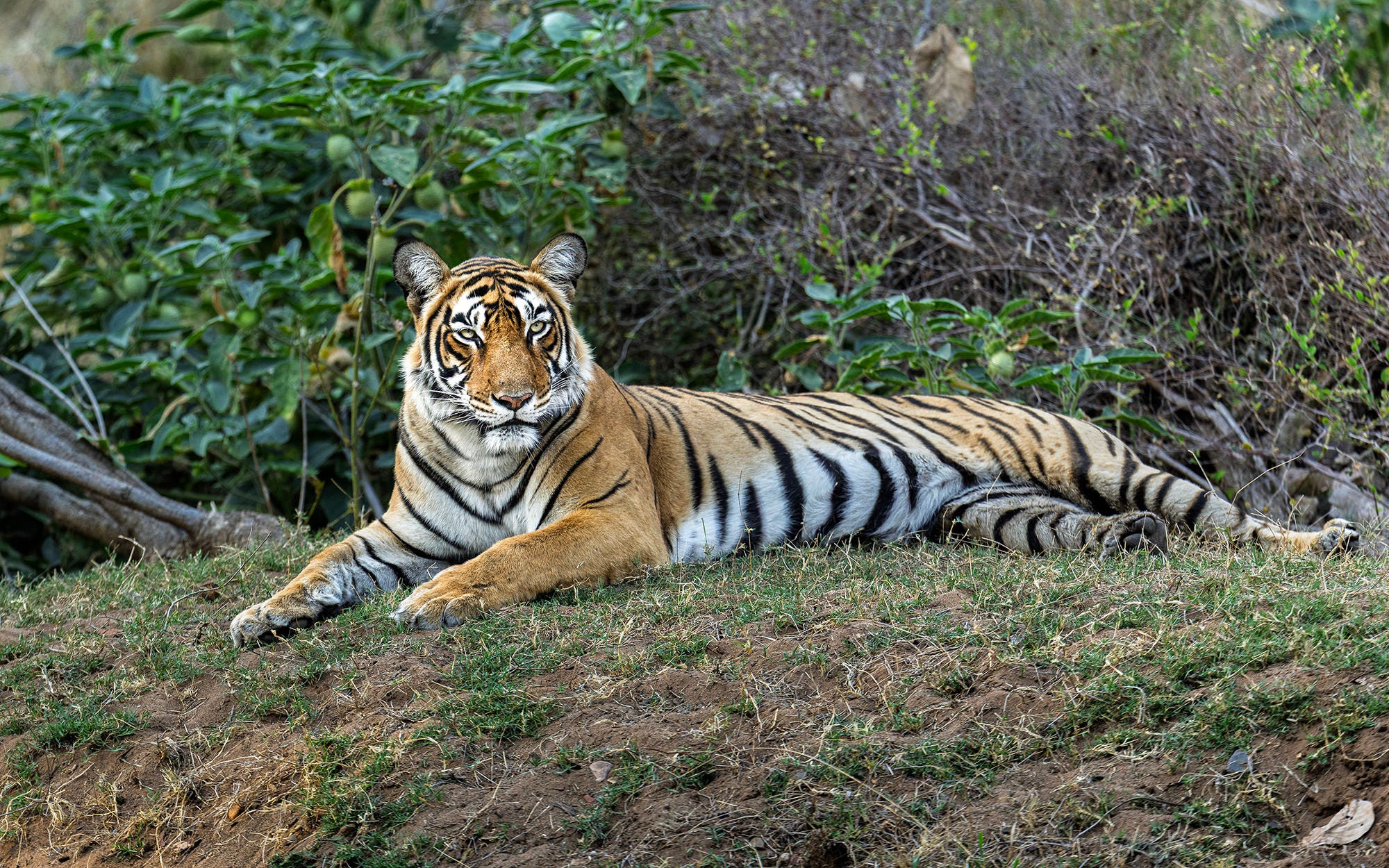
Five days ago, I arrived home from India after one of the most profound and special wildlife experiences of my life. The kind of trip that stays with you long after you leave. Long days in the field with tigers and the Himalayan brown bears. Emotional moments. Incredible people. So much inspiration and perspective.
And tomorrow, I leave again. This time for Spain in search of a very special bear.
On paper, this life can look incredibly exciting. And truthfully, it is. I feel deeply grateful every single day that this is what I get to do. But behind the scenes, there is also another reality that I don’t talk about enough.
Right now, the number one challenge I face at The Wildlife Collective is simply keeping up with everything administratively as we continue to grow.
The Wildlife Collective started from pure passion. A love for wildlife. A desire to tell stories that matter. A hope that photography and immersive experiences could inspire people to care more deeply about conservation. Over time, it has grown into something far bigger than I ever imagined. More tours. More conservation projects. More partnerships. More messages. More logistics. More moving parts.
And lately, if I’m being completely honest, I feel like I’m struggling to keep pace with it all.
I inevitably fall behind on emails and administrative processes. I know there are people waiting to hear back from me right now, and I just want to say that I am truly sorry. I see your messages. I care deeply. I am trying my best to respond thoughtfully rather than rushing through conversations between airports, editing sessions, and time zones.
When I am home, I also try to give as much attention as possible to my three kids. That balance has been one of the hardest parts of all of this. After weeks away guiding or storytelling, I want to be fully present with them. School pickups. Bedtime. Playing outside. Family dinners. Those moments matter so much to me. But it also means that the administrative side of the business often gets pushed late into the evenings or squeezed into tiny windows between everything else.
At the same time, there are so many exciting things happening. Conservation documentaries. New expeditions. Growing our storytelling platforms. Building deeper partnerships. Expanding our conservation impact. I genuinely believe we are building something meaningful. But growth also brings pressure, and lately I’ve really felt the weight of trying to do too much myself.
One thing I’ve been working on is creating more automations and systems to help us become more responsive and efficient. Better workflows. Smarter communication systems. More structure behind the scenes. But ironically, setting those things up also takes a huge amount of time upfront, which is often the one thing I don’t have enough of.
I know many small business owners, creatives, photographers, filmmakers, and conservationists probably understand this feeling well. The work you love is only part of the equation. The administration behind it can quietly become overwhelming.
So I wanted to be honest about where things are at right now.
And honestly, I would genuinely love suggestions.
If you have experience with systems, administrative support, virtual assistants, interns, social media workflows, automation tools, or anything else that you think could help, please let me know. One of the biggest areas where I could really use help is with posting consistently to social media and keeping up with all of the backend organizational work that comes with running a growing company.
The Wildlife Collective means so much to me. I care deeply about every guest, every conservation partner, every story, and every experience we create together. I’m incredibly proud of what we are building. I just also recognize that I can’t sustainably do every single piece of it alone forever.
Thank you for your patience, your support, and for being part of this journey with us. It truly means more than you know.
Quote of the Week
Balance is not something you find. It is something you create.
— Jana Kingsford
The Return of the Grizzly?
There is something incredibly symbolic about the fact that California’s state flag still carries the image of a grizzly bear… despite the animal itself having been gone from the landscape for more than 100 years.
This week, a new bill moving through California’s legislature reignited one of the most fascinating and controversial wildlife conservation conversations in North America: should grizzly bears return to California?
The proposal, Senate Bill 1305, would not immediately release bears into the wild. Instead, it would begin a formal feasibility study and roadmap exploring whether grizzly reintroduction could realistically happen in the future. The bill is being supported by the Yurok and Tejon tribes, who view the grizzly as far more than just a symbol. For many Indigenous communities, the grizzly represents deep cultural, spiritual, and ecological connections that long predate modern California itself.
And honestly, it is remarkable to even be having this conversation again. California once had an estimated 10,000 grizzlies roaming everything from coastal valleys to the Sierra Nevada mountains before they were hunted into extinction by the early 1920s. The irony is impossible to ignore. The animal that defines the identity of California disappeared because of us.
What surprised me most reading about this was how serious the science behind it has become. A massive feasibility study from researchers at UC Santa Barbara and the University of Washington concluded that California still has enough suitable habitat to potentially support a sustainable grizzly population again. Areas mentioned include the southern Sierra Nevada, the remote northern coastal ranges near the redwoods, and even parts of Los Padres National Forest.
Of course, not everyone supports the idea. Ranchers and rural communities are already dealing with the return of wolves in California, and many feel the state is struggling to manage the predators it already has. Concerns about livestock losses, public safety, funding, and human-wildlife conflict are very real parts of this conversation.
But conservationists argue that much of the fear surrounding grizzlies is exaggerated, a view that I also share. They point out that any reintroduction would likely be incredibly slow, heavily monitored, and perhaps the most carefully studied carnivore restoration project ever attempted in the United States. Bears would be GPS-collared, released in remote habitats, and managed intensively from the beginning.
As someone who spends a huge part of my life around bears, I find this conversation fascinating. Bears challenge us. They force us to ask hard questions about coexistence, risk, wildness, and what kind of world we actually want to leave behind. And maybe the bigger question here is not whether California can physically support grizzlies again. Maybe it is whether people are emotionally and politically willing to share the landscape with true wilderness once more.
Whatever happens, the fact that grizzlies are even being discussed as part of California’s future again feels historic. A century ago, we erased them from the landscape. Now, for the first time in generations, some people are asking what it would mean to bring them home.
Tour Updates: Polar Bears
I finally managed to publish the tour page for our Exclusive Nunavut Polar Bear Tour. Our Oct 20–27, 2026 departure is already full, but if there’s enough interest, we may add a second trip from Oct 27–Nov 3. This is a very different kind of polar bear experience. No crowds, no tundra buggies, and no other groups beyond ours. Just us, the Arctic coastline, and polar bears moving naturally through their world. We spend long days in the field photographing bears up close alongside Arctic foxes and endless tundra landscapes, then return each evening to a warm and comfortable base to share stories from the day. With a very small group and guides experienced working with polar bears on foot, every encounter is calm, ethical, and intentional. It’s quieter, more personal, and far more immersive than the typical polar bear trip, with the kind of intimate wildlife encounters that are becoming harder and harder to find. Please let me know if you are interested.
2026 Tours with Availability
June 16-24: Bolivia Jaguars on Foot (4 spots)
Sept 2-9: Kenya Big Cat Safari (2 spots)
Sept 13-21: Brazil Jaguars (2 spots)
*NEW Nov 24-30: Mountain Gorillas (3 spots)
*NEW Nov 30 – Dec 5: Mountain Gorillas (3 spots)
Feel free to reply to this email with any questions, feedback, or just to share your latest wildlife photos. Feel free to share this message with fellow nature lovers, too—let’s grow this community together!
Thank you for being a part of The Wildlife Collective community. Stay tuned for more updates, conservation news, and incredible wildlife encounters!
Best regards,
Zac Mills
The Wildlife Collective