
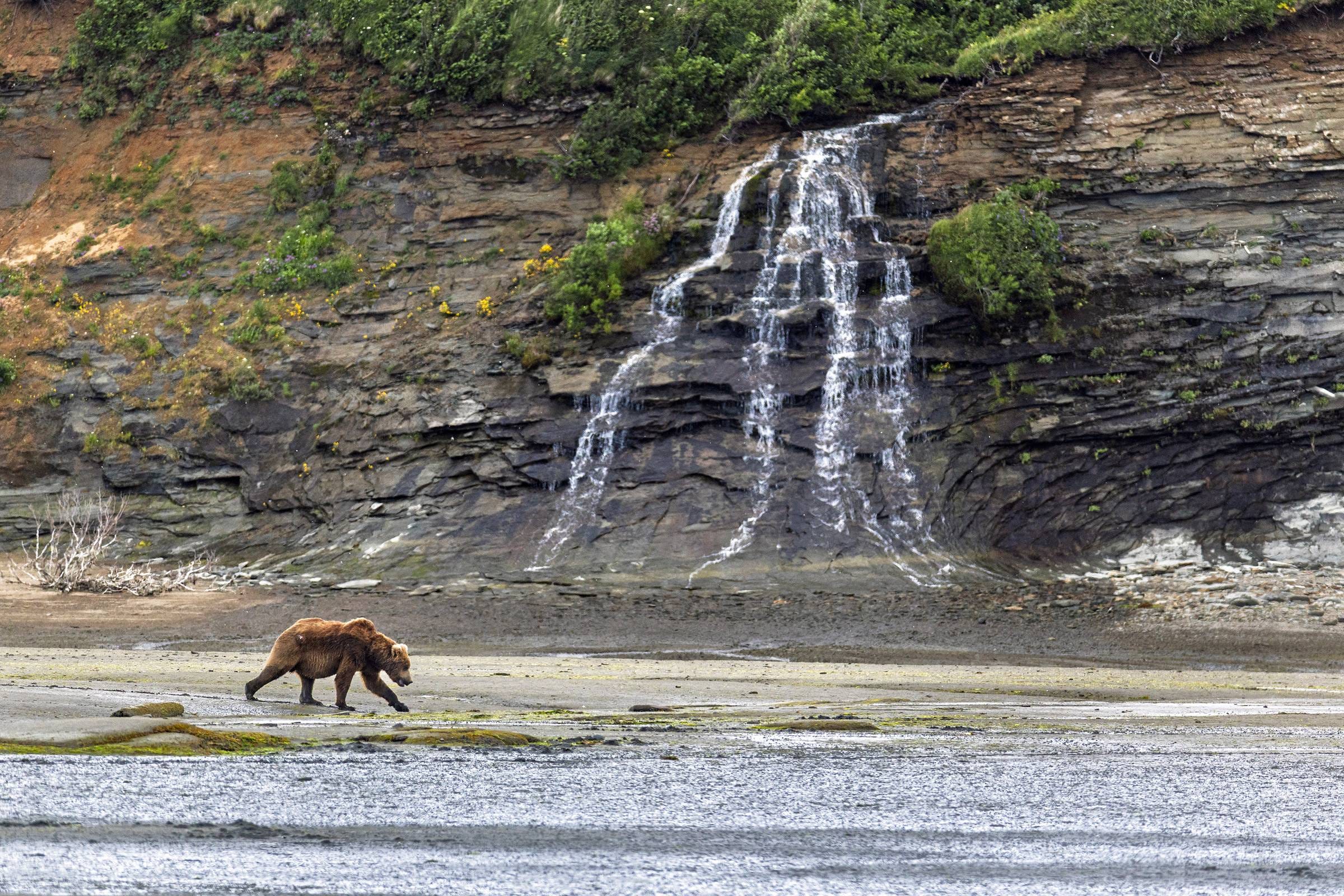
I just returned from one of the most extraordinary weeks of my life—camping with bears in a place that felt like an AI-generated lost world. Picture towering glaciers, surreal rock formations, and sweeping intertidal zones where land and sea meet in endless patterns. Every day, we walked over 10 miles—sometimes to places so remote that few, if any, humans have ever set foot there.
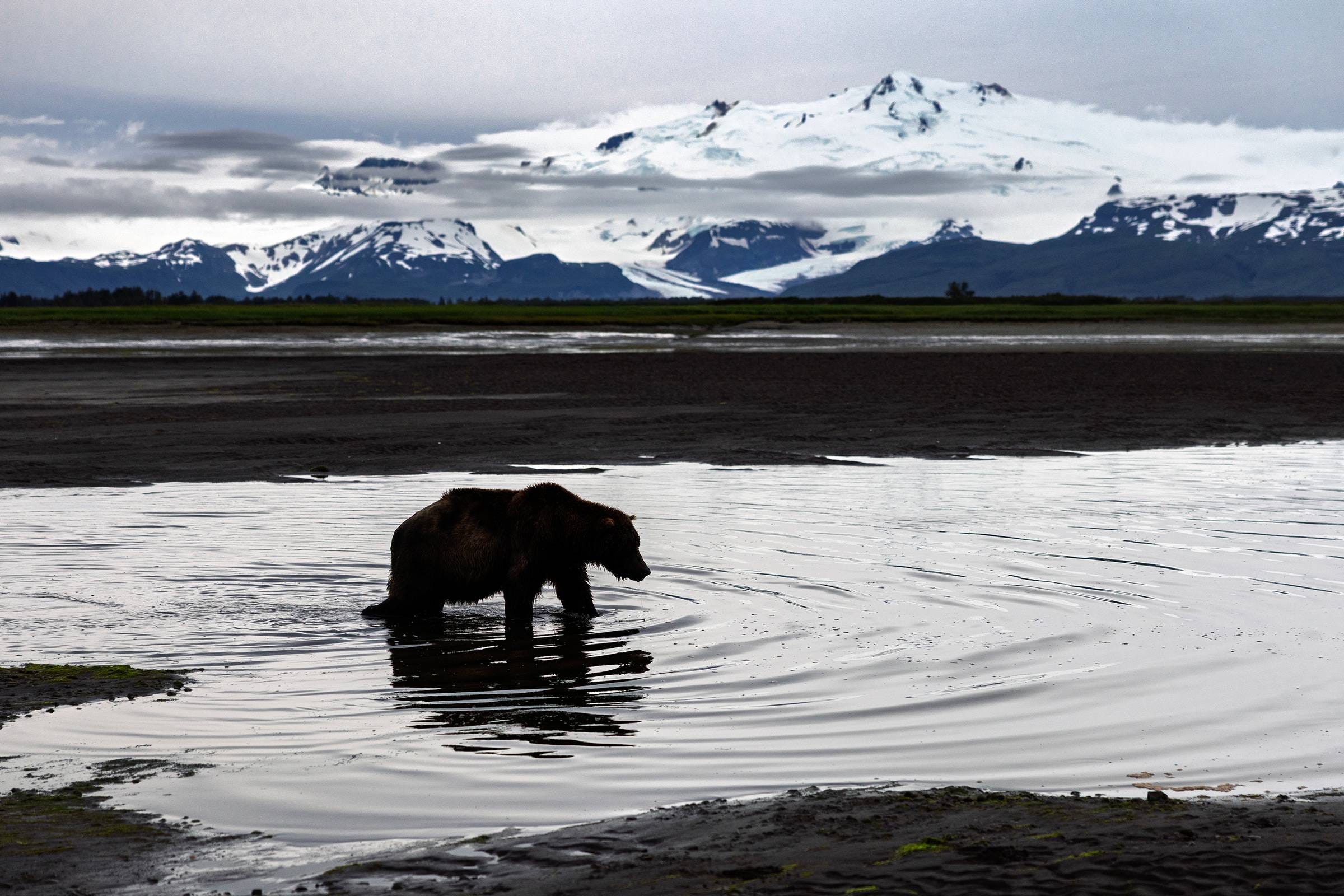
From dawn to dusk, we shared space with these incredible animals: watching them graze on sedge grass, dig for clams, and patiently stalk flounder in the shallows. It was a dream—though one briefly shaken by a tsunami alert that had our hearts racing!
This trip wasn’t just an adventure. It was a chance to tell the story of bears—their intelligence, their tenderness, and the wild, irreplaceable lives they lead. And that story feels more urgent than ever.
While I was in the field, the Alaska Department of Fish and Game continued its aerial slaughter campaign against bears. Despite overwhelming public opposition and zero scientific evidence to justify it, the Board of Game voted 6-0 to reinstate this program, after it was ruled to be illegal. It’s heartbreaking—a reminder that it only takes a handful of people to do immense damage.
But it’s also a reminder that change is possible. Every major conservation success story—every species brought back from the brink—started with a handful of people refusing to stay silent. It only takes a few of us to speak up, to demand better from those in power, and to fight for these wild lives.
Each voice matters. Each letter written, post shared, and conversation sparked chips away at indifference and builds momentum for real change. These bears can’t speak for themselves—but we can. And when enough of us come together, even a small, passionate community can protect entire ecosystems and change the future for generations of bears to come. Together, we can make a difference and the fight continues. I will have more to share soon.
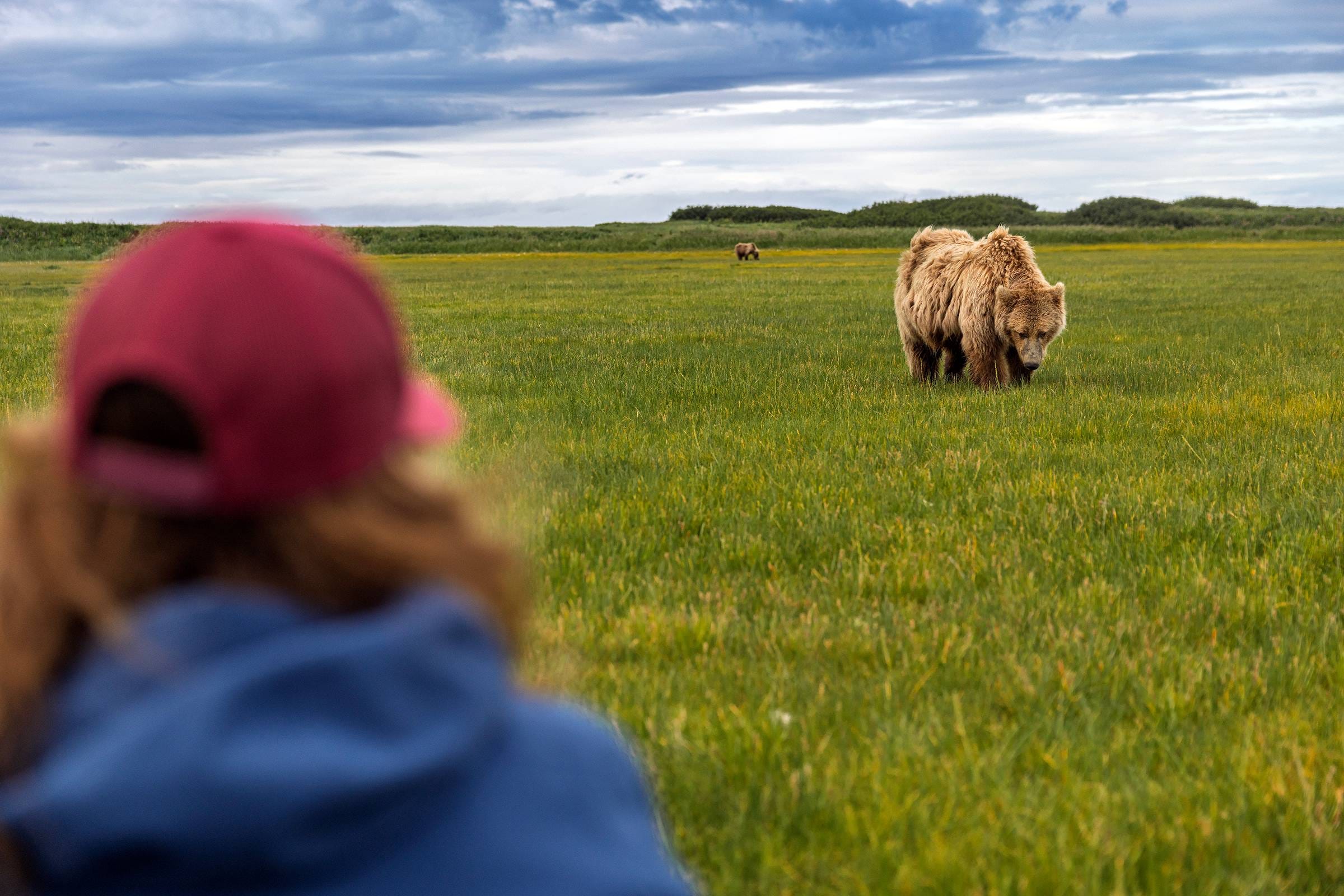
And now, I’ve just arrived back in Alaska for another two weeks of bear camp—this time with guests—and I can’t wait to share more stories from the field. These bears deserve to be seen, understood, and fiercely defended.
Thank you for being part of this journey with me. Your support, attention, and voices truly matter for these bears.
Quote of the Week
You may have to fight a battle more than once to win it.
— Margaret Thatcher
Conservation News
A War on Bears and Wolves Is Escalating Across North America
Across the continent, bears and wolves are facing an unprecedented wave of state-sanctioned killing, often under the guise of population management or predator control.
In Alaska, the Board of Game recently voted 6-0 to continue its aerial predator control program in the Mulchatna region, targeting brown and black bears along with wolves. Helicopters have already gunned down more than 186 brown bears, 5 black bears, and 20 wolves in an effort to boost the declining caribou herd—despite a lack of scientific evidence that predation is the root cause. Critics call the program ecologically reckless and ethically indefensible.
Meanwhile, just across the border in British Columbia, helicopters have become a grim fixture of the winter skies. Since 2015, the province has carried out systematic aerial wolf culls in the name of caribou recovery. In early 2025 alone, 362 wolves were shot from helicopters, the second-highest total on record. Conservation scientists widely agree that habitat loss, not predation, is the real driver of caribou decline, making these culls both ineffective and cruel.
Far to the south, Florida is preparing to launch its first black bear hunt in a decade. The state’s Fish and Wildlife Commission voted to allow the killing of up to 187 bears this December, even as three-quarters of public comments opposed the hunt. This decision rekindles memories of the disastrous 2015 hunt, when more than 300 bears were killed—including lactating females—before the hunt was shut down early. Experts warn that human-bear conflict in Florida stems from poor waste management and unchecked development, not bear overpopulation.
Together, these events paint a troubling picture: from Alaska to British Columbia to Florida, wildlife management policies are leaning on lethal measures that ignore science and public opposition. Whether through helicopter gunning or trophy hunts, the result is the same—unnecessary death for species that are cornerstones of their ecosystems.
But history has shown that public voices can turn the tide. It only takes a committed few to demand better policies, protect critical habitats, and push for science-based, humane conservation strategies.
Upcoming Tours
Most of our 2025 tours are now fully booked, and we’re in the process of finalizing our 2026 schedule—which will feature some exciting new destinations. If you’re interested in joining a bear, big cat, or great ape adventure, let us know! We pride ourselves on delivering truly exceptional wildlife experiences.
We’re also offering more private tours than ever before, creating tailor-made journeys for those who want a more personal, flexible adventure.
2025
BEARS & RED FISH 1 — Aug 2-7 (full)
BEARS & RED FISH 2 — Aug 7-11 (full)
BEARS & RED FISH 3 — Aug 11-15 (private)
SPIRIT BEARS — Sept 29 – Oct 3 (full)
HOKKAIDO BROWN BEARS — Oct 9-17 (full)
CHURCHILL POLAR BEARS — Nov 1-6 (private)
CHURCHILL POLAR BEARS — Nov 6-13 (full)
MOUNTAIN GORILLAS — Nov 22-28 (private)
MOUNTAIN GORILLAS — Nov 30 – Dec 5 (2 spots)
KENYA BIG CAT SAFARI — Dec 5-12 (4 spots)
Click to see our fill list of tours
We love hearing from you! Feel free to reply to this email with any questions, feedback, or just to share your latest wildlife photos. Feel free to share this message with fellow nature lovers, too—let’s grow this community together!
Thank you for being a part of The Wildlife Collective community. Stay tuned for more updates, tips, and incredible wildlife encounters!