
There are still places in Alaska where you can sit with bears and not see another person all day. Not another group. Not another camera. Not another voice.
Just the sound of water moving through a river, the wind brushing through the grass, and a bear stepping quietly into the frame like it’s always belonged there. Because it has.
These places are not easy to find. And they’re not easy to reach. Most people never will.
For years, we’ve spent time in Alaska guiding, exploring, learning, and slowly understanding what makes a bear experience truly special. It’s not about numbers. It’s not about ticking boxes. It’s not about getting the shot and moving on. It’s about time, space, and respect.
It’s about being in a place long enough for everything to settle. For the bears to relax. For their behavior to unfold naturally. For moments to happen that you could never plan or predict.
And over time, we started to notice something.
The best experiences, the ones that stayed with us, the ones that felt the most real, were always the quietest ones. The ones where there were no crowds. No pressure. No rush. Just us and the bears, sharing the same space.
So we started looking for more of that.
We spent time exploring new areas, speaking with people we trust, and flying into places that don’t show up on the usual maps. Slowly, we pieced together something that felt different. Something that felt right.
And we found it.
Remote locations. Wild, untouched, and full of life. Places where bears move freely through their home without interruption. Where you can sit for hours and watch the rhythm of their day unfold.
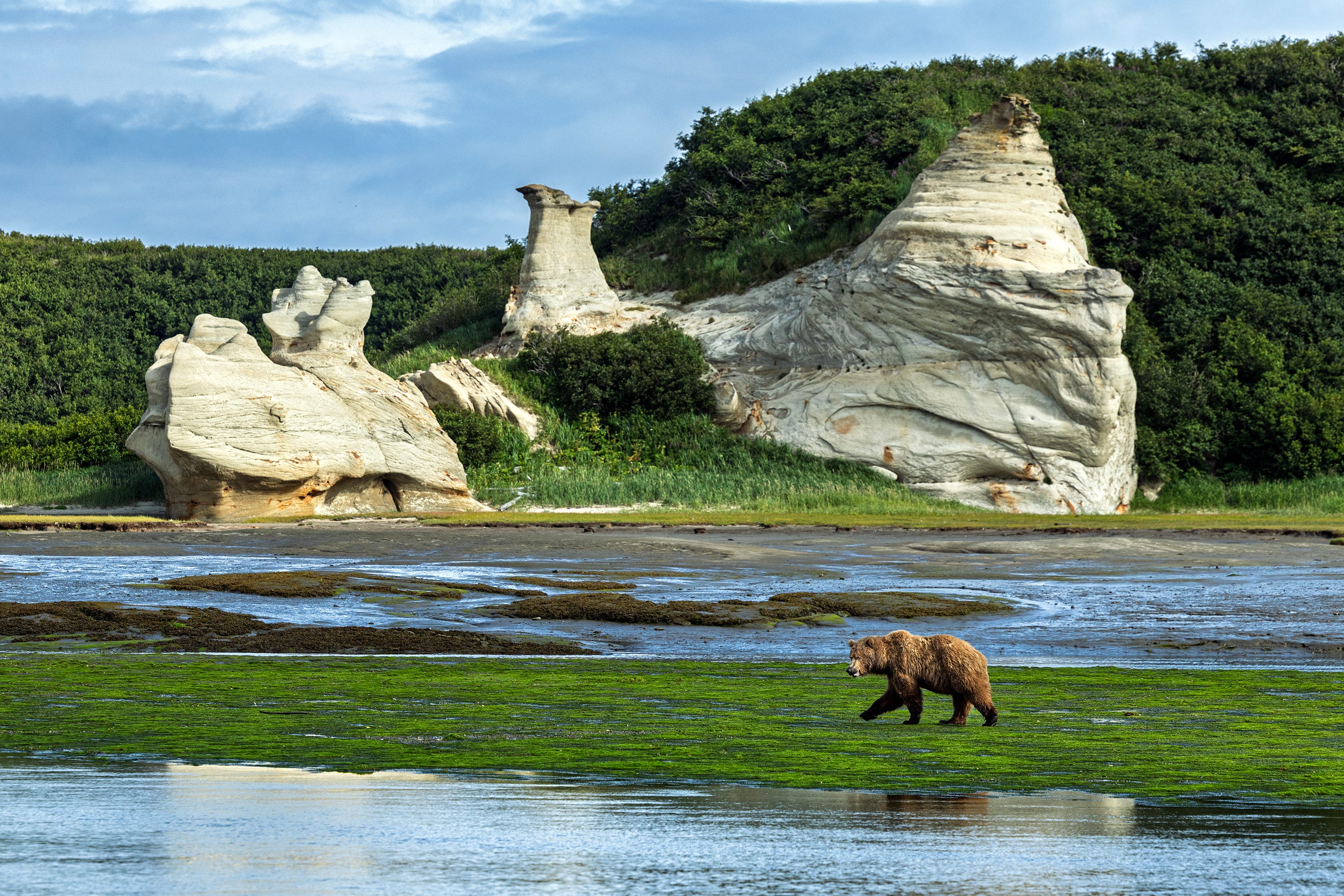
These are not the places you’ll find on a typical itinerary. And they’re not places we want to open up to large groups or frequent visits.
So we’ve decided to do something new.
We’re launching a very limited number of private Alaska bear experiences. Just a handful each season, with a maximum of four guests per trip. These are designed for individuals, families, or small groups who want something more personal, more intentional, and more connected.
The dates for 2027 are:
July 6–11, 2027
July 12–17, 2027
September 21–27, 2027
All departures will offer opportunities to witness bears actively fishing, whether for salmon or flounder, depending on timing and conditions. The September departure is especially exciting, with fall colors across the landscape and bears actively fishing, preparing for winter. It’s a completely different feel from summer and one of the most beautiful times to be out there.
We’ll be based out of our new and improved bear camp. It’s still remote and wild, exactly as it should be, but with thoughtful upgrades that make a real difference. Private tents for every guest, comfortable cots so you’re never sleeping on the ground, and a setup designed to make extended time in the field not just possible, but enjoyable.
Being based in camp means we’re already there when the day begins and still there when it ends. No commuting in, no racing the clock. We’re in position for sunrise and sunset, when the light is at its best and when so many of those magical moments happen.
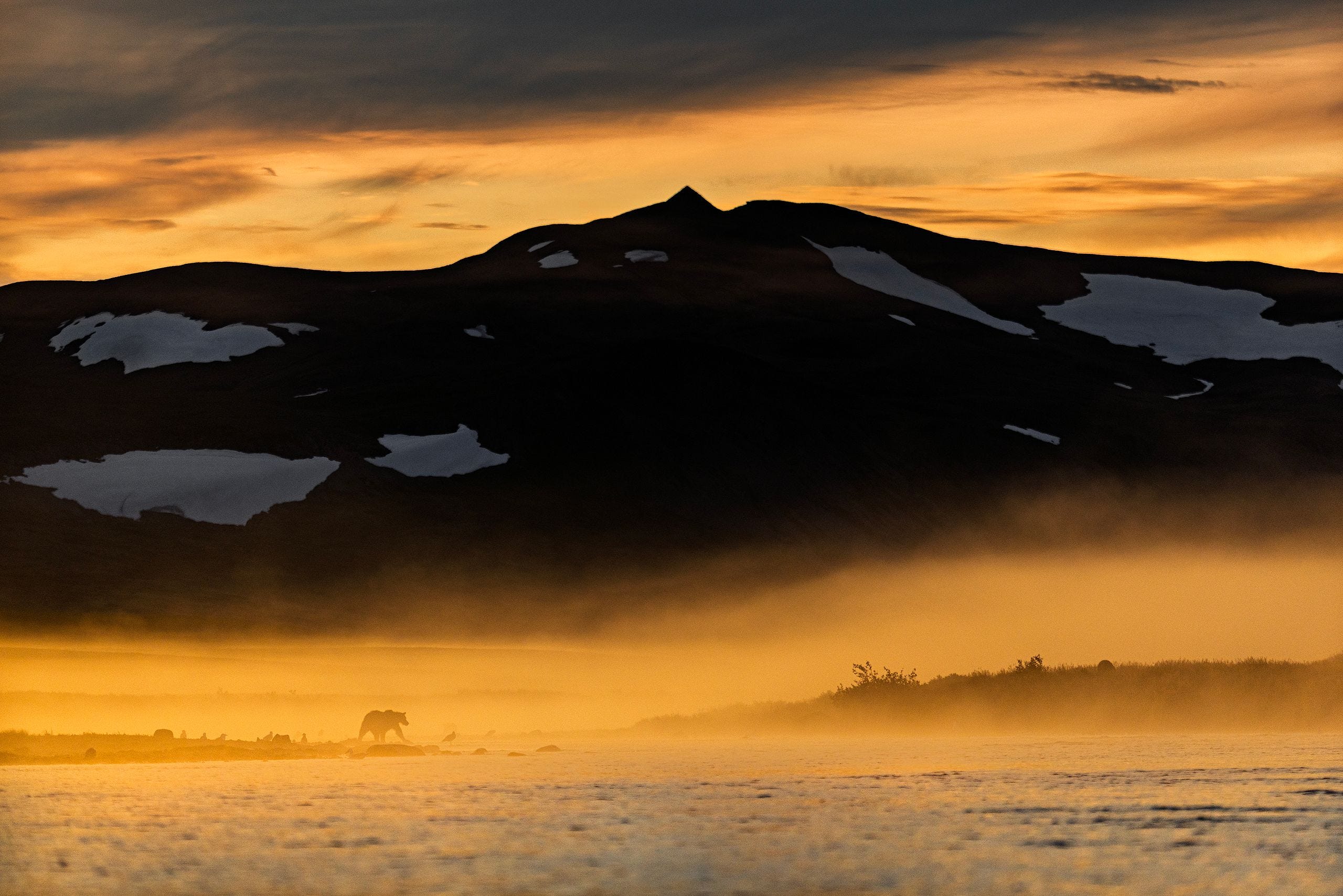
These trips will be different.
Smaller groups. Flexible days. No rigid schedules. No competing for space. Just time in the field, following the light, the weather, and the bears.
This is also about the bears.
Less pressure. Fewer people. More space for them to behave as they should. That’s something we care deeply about, and something that becomes even more important the more time you spend out there.
We’ve always believed that the best wildlife experiences come from respect. From understanding that we are visitors in their home. These new trips are built around that idea from the ground up.
We will still be running our Alaska Bear and Red Fish Camp from the end of July through mid-August, which is an incredible experience in its own right and something we’re deeply proud of.
But if you’re looking for something more exclusive, quieter, and more intimate, these private trips are for you.
We didn’t rush into this. We’ve been sitting on it for a while, making sure it felt right. Making sure we could do it properly. Making sure it aligned with everything we believe about how wildlife experiences should be done.
And now, we’re ready.
These are the kinds of experiences we’ve been searching for all along. The kind that remind you why you came in the first place. The kind that stay with you long after you leave.
And we’re really excited to finally share them.
If this is the kind of experience you’ve been looking for, we’d be happy to share more details.
Quote of the Week
There is no WiFi in the forest, but I promise you will find a better connection.
— Ralph Smart
Conservation News
We’re quick to call them “problem bears.” It’s a label that shows up the moment a bear steps into our world instead of staying in its own, as if the line between the two was ever that clear to begin with. But in Colorado right now, there’s a different kind of response taking shape—one backed by $1 million and a simple but important shift in thinking: maybe the problem isn’t the bear.
And when you look a little closer, it becomes a genuinely encouraging story. Because for once, the focus isn’t on blaming the animal or reacting after something has gone wrong. It’s on stepping back, looking at what’s actually driving these encounters, and addressing the root of the problem in a way that gives both people and bears a better chance to coexist.
In 2025 alone, there were over 5,000 reported bear encounters across the state. That number gets attention. It should. But more than half of those conflicts—about 57%—are tied directly to human food. Trash left out overnight. Bird feeders. Unlocked garages. Easy calories, sitting right there.
Bears aren’t seeking conflict. They’re simply responding to opportunity.
And right now, we’re making it incredibly easy for them.
A wild bear is built to work for its food. Moving across large landscapes, following seasonal changes, constantly searching. But the moment it discovers human food, everything shifts. Why burn energy for berries or roots when there’s a garbage bin full of calories in one place?
That’s how it starts. One visit turns into two. Two turns into a pattern. And before long, that bear is labeled a “problem.” And historically, that’s where the story tends to end for the bear.
What makes this different is that Colorado is stepping in earlier in that story.
Instead of reacting after bears have already learned bad habits, they’re investing in prevention through the Human-Bear Conflict Reduction Community Grant Program. The goal is simple but powerful: give local communities the financial support they need to reduce human-bear conflicts before they happen. That means funding practical solutions like bear-resistant trash systems, securing food sources, and supporting education that helps people understand how to live responsibly in bear country. But it goes beyond that too. The program is designed to encourage new ideas, approaches that can be tested, refined, and then replicated across the state to strengthen how all communities prevent conflict.
And importantly, this isn’t happening in isolation. It works alongside all the other tools already in place to protect both people and bears, including active bear management, conflict response teams, and damage mitigation programs. It’s a more complete approach. One that recognizes that prevention, not reaction, is where the real impact lies.
Applications for the grant are open until May 29.
It’s practical. It’s proactive. And it’s exactly the kind of approach that actually works.
Because if the food disappears, the bears have no reason to come in.
Colorado is home to somewhere between 17,000 and 20,000 black bears. They’ve been part of that landscape long before most of the houses, roads, and neighborhoods that now overlap their habitat. As those human spaces continue to expand, encounters aren’t going away. But how we respond to them can change.
And that’s what this initiative represents.
It’s a shift in mindset. A recognition that coexistence isn’t about controlling wildlife. It’s about taking responsibility for the way we live within their world.
Because the truth is, bears don’t suddenly become problems. They adapt. They learn. They respond to what we put in front of them. And if we’re willing to change that, even in small ways, we change the outcome. Fewer conflicts. Fewer “problem bears.” Fewer endings that didn’t need to happen. And maybe in that shift, we remember something simple. The wild was never meant to bend to us, but to be met with respect and a willingness to live alongside it.
Tour Updates
I’m really excited to share that we’ve officially finalized our Alaska private bear camp dates for 2027. This has been a big one behind the scenes, requiring a lot of time, coordination, and resources to get right, and it feels great to have it locked in. I didn’t make as much progress as I had hoped over the Easter weekend, but there’s still a lot happening in the background. Several new tours are in development, and we’re putting the finishing touches on a few exciting announcements. You can expect a number of new trips to be released over the coming week or two (Colombia Andean Bears, Borneo Big 5, Alaska Bears & Wolves for 2027, etc.).
And we’re also exploring the possibility of experiencing tigers on foot. Not from the window of a vehicle, but at ground level, moving slowly through the landscape, reading tracks, listening, and fully immersed in their world. It’s still something we’re looking into carefully, but it has the potential to be a completely different kind of encounter, one that is very, very special. Would this be something of interest to you?
2026 Tours with Availability
June 16-24: Bolivia Jaguars on Foot (4 spots)
Sept 2-9: Kenya Big Cat Safari (2 spots)
Sept 13-21: Brazil Jaguars (2 spots)
*NEW Oct 19-26: Exclusive Polar Bears (waitlist) COMING SOON!
*NEW Nov 24-30: Mountain Gorillas (3 spots)
*NEW Nov 30 – Dec 5: Mountain Gorillas (3 spots)
Feel free to reply to this email with any questions, feedback, or just to share your latest wildlife photos. Feel free to share this message with fellow nature lovers, too—let’s grow this community together!
Thank you for being a part of The Wildlife Collective community. Stay tuned for more updates, conservation news, and incredible wildlife encounters!
Best regards,
Zac Mills
The Wildlife Collective