
We’re hiring a Social Media & Marketing Intern.
If you love wildlife, storytelling, and the power of visual content, this could be a great fit. This role is for someone who is excited by the idea of turning real, wild moments into stories that connect with people. We’re looking for someone who understands that great content isn’t just about beautiful images, but about emotion, narrative, and purpose. Someone who wants to learn how to build a brand, grow an audience, and use storytelling to inspire people to care about conservation and the natural world.
The Wildlife Collective is a small-group expedition company focused on bears, big cats, and great apes. We operate in some of the most wild and remote places on earth, with a strong emphasis on ethical guiding, conservation, and creating meaningful, story-driven experiences. Everything we do is rooted in respect for wildlife and a desire to protect it.
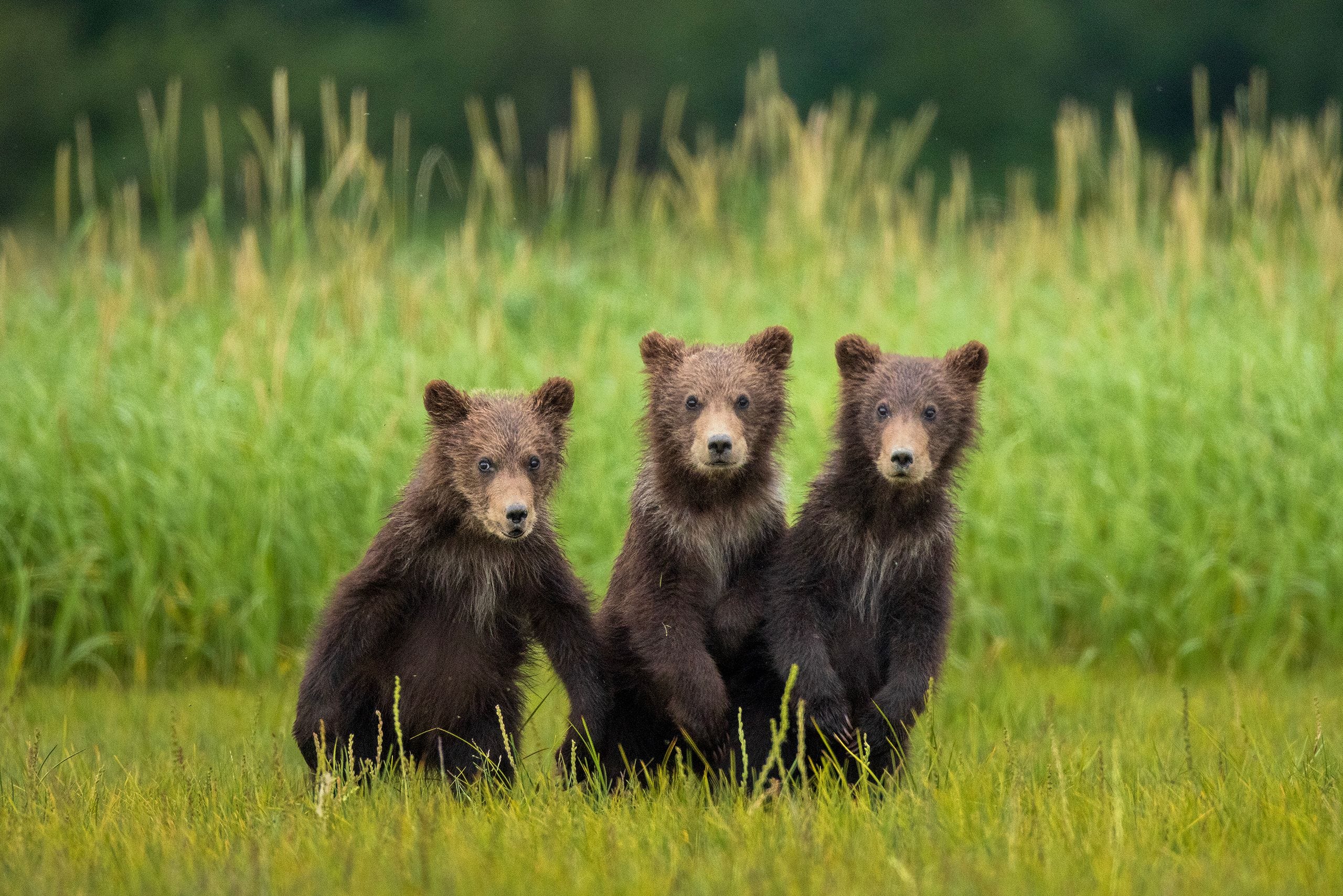
As we grow, we’re putting a much bigger focus on conservation storytelling. Not just showing beautiful moments in the wild, but telling deeper stories that connect people to these animals, the challenges they face, and why they matter. We believe powerful storytelling can change how people see wildlife and ultimately help protect it.
In this role, you’ll help us grow and elevate our presence across Instagram, Facebook, TikTok, and YouTube. You’ll work closely with us to shape content that is not only visually compelling, but meaningful. This is an opportunity to learn how a mission-driven brand is built from the ground up, and how storytelling can be used as a tool for conservation.
You might be a great fit if you:
Are 25 years old or younger
Have a strong interest in wildlife, conservation, and storytelling
Enjoy creating content across Instagram, Facebook, TikTok, and YouTube
Have a strong understanding of current social media trends and what performs well
Have a good eye for visuals and storytelling
Are organized, proactive, and eager to learn
Have experience with social media platforms and basic editing tools (bonus, not required)
What you’ll be doing:
Assisting with content creation and scheduling across Instagram, Facebook, TikTok, and YouTube
Helping shape and execute marketing ideas and campaigns
Supporting and building out our conservation storytelling, helping share meaningful stories from the field
Turning real wildlife experiences into compelling content that resonates with a global audience
Bringing fresh ideas and staying on top of trends to grow our audience and engagement
This is a great opportunity to gain hands-on experience in wildlife tourism, conservation storytelling, and building a global brand with purpose.
If this sounds like you, we’d love to hear from you.
Please reach out with a short introduction and anything you’d like to share (portfolio, social accounts, etc.) to team@thewildlifecollective.com
Quote of the Week
Never doubt that a small group of thoughtful, committed citizens can change the world; indeed, it’s the only thing that ever has.
— Margaret Mead
Conservation News
Connectivity Is Conservation: Why Wildlife Needs More Than Protection
There’s something powerful about a simple idea done well. A stretch of highway in Colorado, busy, fast, and deadly, now has a bridge over it. Not for people, but for wildlife. The Greenland Wildlife Overpass, which opened in December 2025, spans six lanes of Interstate 25 and reconnects roughly 39,000 acres of habitat that we split apart in the name of progress. Before it was built, this corridor saw about one wildlife vehicle collision every single day. That’s not just a conservation issue, it is a human safety issue too.
What I love about this project is that it does not try to reinvent anything. It just acknowledges a basic truth. Animals need to move. If we are going to build roads through their world, then we need to give something back. This overpass is part of a much larger system, an 18 mile stretch that includes multiple crossings and about 28 miles of wildlife fencing designed to guide animals safely across the landscape. That fencing is critical. Without it, animals still end up on the road. With it, systems like this can reduce collisions by up to 90 percent. The bridge gets the attention, but the fencing is what makes it work.
It is also surprisingly efficient. The project cost around $15 million to build, coming in well under budget thanks to a mix of federal and state funding. That matters. It shows this is not just good conservation, it is smart infrastructure. When you compare that cost to the scale of the problem, over a million wildlife vehicle collisions every year across the United States, the return on investment becomes obvious. Fewer accidents. Fewer injuries. Less strain on emergency services. And far fewer animals killed.
The design itself tells you a lot about how seriously this was done. At roughly 200 feet wide, it is built for the animals that actually use this landscape. Elk, deer, pronghorn, even predators like mountain lions and bears. Wide, open crossings feel natural to them. They are far more likely to use something that looks and feels like the terrain they already know. This is not just a bridge. It is an extension of the ecosystem.
But for me, this goes far beyond a single project in Colorado. This is about connectivity, and connectivity is everything. When we interrupt that movement, we do not just create inconvenience, we create long term decline. Populations become isolated. Genetic diversity drops. Animals are pushed into smaller and smaller pockets where survival becomes harder with every generation. You can protect a national park all you want, but if it becomes an island, it eventually stops working. Conservation does not fail overnight. It fades slowly.
That is why projects like this matter so much. They are not flashy. They do not always make headlines. But they address one of the most fundamental needs in conservation, the ability for wildlife to move freely across landscapes. These crossings are lifelines. They reconnect what we have broken and give animals a way to move the way they always have.
And standing out in the wild, you can feel it. Whether it is watching a bear move along a salmon stream or tracking a big cat across open terrain, there is a natural flow to it all. Fragmentation disrupts that flow in ways that are hard to fully appreciate until you have seen it up close. This overpass is a small correction, but it is a meaningful one.
We are never going to undo all the damage we have done. But we can choose what comes next. We can decide to build in a way that respects movement, restores connection, and recognizes that wildlife was here long before our roads ever were. Conservation is not about drawing lines on a map. It is about keeping life moving. And sometimes, that begins with something as simple as a bridge, and the humility to realize it was needed all along. Because in the end, the future of wildlife will not be decided by what we protect, but by what we reconnect.
Tour Updates
I’m really excited to share that we’ve officially confirmed our Alaska Bears & Wolves Tour for Sept 18-24, 2027. Our tour this September sold out quickly, which made the decision to return an easy one, and we can’t wait to get back out there. I’ll be sharing more updates on new tours this Monday. There’s a lot in the works behind the scenes, and as always, these things take a bit of time to get right.
2026 Tours with Availability
June 16-24: Bolivia Jaguars on Foot (4 spots)
Sept 2-9: Kenya Big Cat Safari (2 spots)
Sept 13-21: Brazil Jaguars (2 spots)
*NEW Oct 19-26: Exclusive Polar Bears (waitlist) COMING SOON!
*NEW Nov 24-30: Mountain Gorillas (3 spots)
*NEW Nov 30 – Dec 5: Mountain Gorillas (3 spots)
Feel free to reply to this email with any questions, feedback, or just to share your latest wildlife photos. Feel free to share this message with fellow nature lovers, too—let’s grow this community together!
Thank you for being a part of The Wildlife Collective community. Stay tuned for more updates, conservation news, and incredible wildlife encounters!
Best regards,
Zac Mills
The Wildlife Collective