
Ethical wildlife photography is one of the most important conversations we can have as photographers, guides, conservationists, and people who simply love wild animals.
Because the truth is this:
Not every incredible wildlife photo tells an ethical story.
And sometimes, the more dramatic the image, the more uncomfortable the reality behind it becomes.
Over the years, I’ve spent thousands of hours alongside bears, orangutans, gorillas, big cats, and countless other species in some of the wildest places left on Earth. I’ve watched photographers show extraordinary patience and respect for animals. I’ve also seen behavior that deeply concerns me. The difficult part is that unethical practices happen far more often than most people realize.
One of the biggest and most controversial topics is baiting.
Should we bait animals for photographs?
For me, the answer is clear.
I am firmly against it.
That includes intentionally feeding predators to bring them closer to photographers. It includes placing food to manipulate behavior. It includes using calls, scents, or lures to force interactions that would not naturally occur. It includes creating artificial situations purely for content.
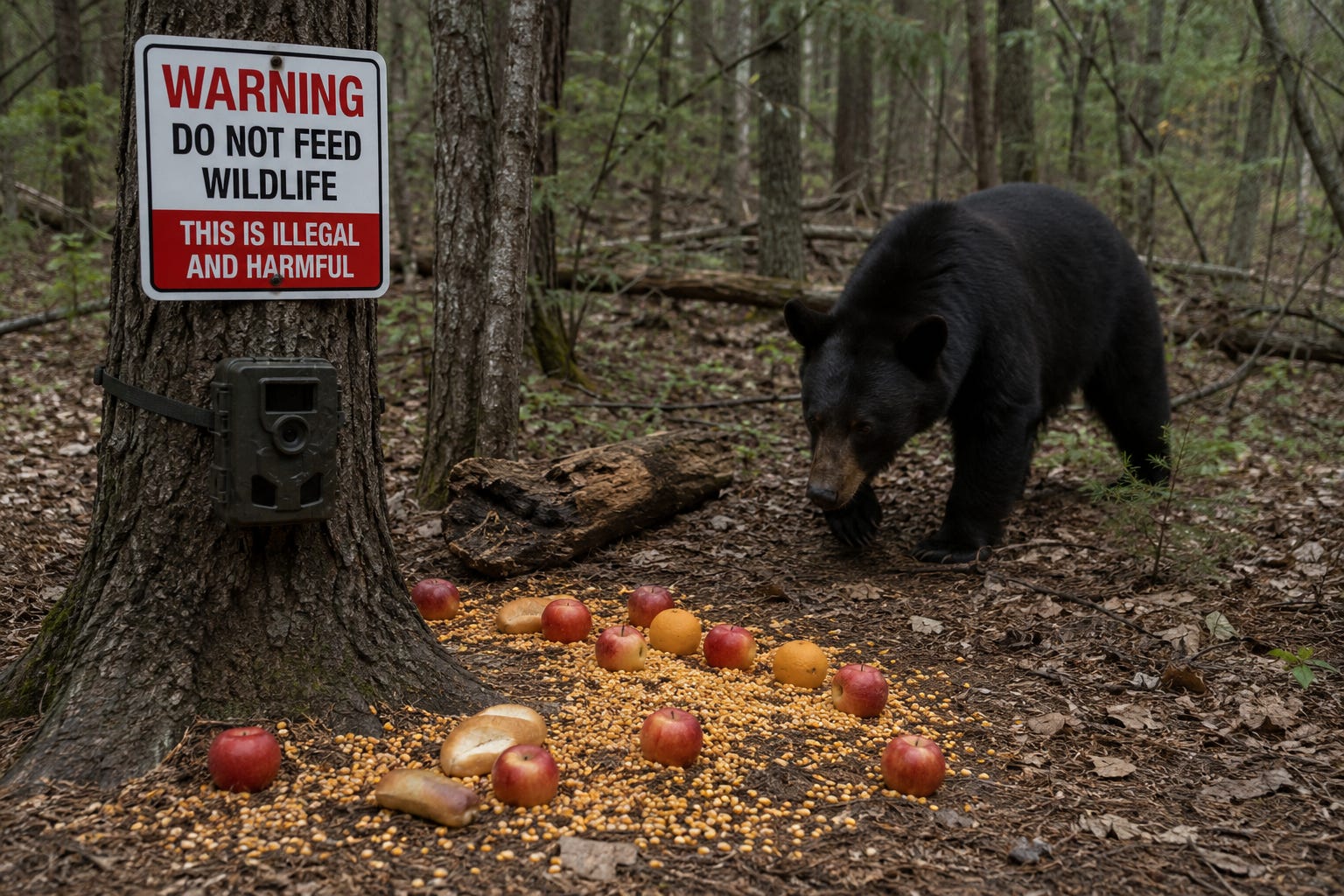
Because at some point, the question becomes:
What are we actually photographing anymore?
Are we documenting wild behavior?
Or are we documenting human manipulation?
A wildlife photograph should represent something real. A moment that existed naturally. A glimpse into an animal’s true life, behavior, and environment. The power of wildlife photography has always been authenticity. It’s the idea that you witnessed something wild on nature’s terms, not your own.
The moment we start altering behavior for the image, the story changes.
And yes, there are grey areas.
There are situations where baiting has historically existed in wildlife tourism and photography industries around the world. Some bird hides use food. Some researchers use attractants for scientific monitoring. In certain conservation situations, supplemental feeding may occur for species recovery programs.
But even then, I think we have to ask difficult questions.
Does the image educate people honestly?
Does it create dependency?
Does it alter behavior?
Does it increase risk to the animal later?
Does it change predator-prey dynamics?
Does it condition animals to humans?
And perhaps most importantly:
Would this animal have behaved this way if humans were not involved?
That matters.
Because wildlife photography has influence now more than ever before. A single image can reach millions of people within hours. It can shape public perception about a species. It can inspire conservation. But it can also normalize harmful practices without viewers ever understanding what happened behind the scenes.
One of the hardest ethical questions is this:
What if someone else baits the animal and you just happen to be there?
That happens more than people think.
A photographer arrives somewhere. Another guide or lodge has already conditioned an animal. Food has already been placed. Behavior has already been altered. Suddenly you are standing there with a camera watching an incredible moment unfold.
Do you take the shot?
Everyone has to answer that question for themselves.
But personally, I think we need to be honest about what those images represent. Even if you did not physically place the bait yourself, you are still benefiting from the situation. And if those photographs are shared without context, they can unintentionally endorse or normalize the practice.
This is not about attacking individual photographers. Wildlife photography is full of nuance and complicated situations. Many people are learning. Many don’t even realize what is happening behind certain images online.
But I do think the industry needs more transparency.
Because ethical wildlife photography is not just about the final image.
It’s about the process behind it.
How close did you get?
Did the animal change its behavior because of you?
Did it stop feeding?
Did it show signs of stress?
Did you alter its movement?
Did you put the shot above the animal’s wellbeing?
Those questions matter far more to me than sharpness, megapixels, or social media engagement.
At The Wildlife Collective, this is something we think about constantly.
We are striving to become the most ethical wildlife tourism company in the world.
That is a huge statement, and we know we will never be perfect. But it is the standard we are aiming for every single day.
We do not bait animals.
We do not chase animals.
We do not crowd wildlife.
We do not force encounters.
We leave if animals show signs of stress.
We prioritize behavior and wellbeing over photographs.
And we design our trips around time, patience, light, respect, and genuine wild encounters.
Sometimes that means we miss the shot.
Sometimes the animal disappears.
Sometimes nature gives us nothing.
And honestly?
That is part of what makes wildlife photography so special.
The unpredictability is the point.
You cannot truly photograph wilderness while simultaneously controlling it.
Some of my favorite wildlife moments ever were imperfect. A bear disappearing into fog. A gorilla barely visible through dense forest. A fleeting glance from a leopard at dusk. Those moments felt real because they were real.
The older I get, the less interested I am in perfect wildlife photographs.
And the more interested I become in honest ones.
Because in the end, I think the best wildlife photographers are not the people who can manipulate nature most effectively.
They are the people willing to respect it enough not to.
Quote of the Week
Integrity is doing the right thing, even when no one is watching.
— C. S. Lewis
Tour Updates: India 2027
I’ve now officially posted both of these India departures for April 2027 and I truly love them for completely different reasons.
• Jawai Leopards & Rabari — April 12–16, 2027
• Tigers & Sloth Bears — April 16–25, 2027
Jawai is about so much more than just incredible leopard sightings. It’s the epic, almost otherworldly landscape, the powerful story of coexistence between people and predators, the cultural photography experience of walking with the Rabari community, and the deeper cultural elements we build into the tour that make it so special to me. And then there are the tigers. There is simply no other animal on earth that makes my heart race like a tiger walking out onto the road in front of you. We have an incredible setup at a beautiful 5 star accommodation in Ranthambhore, it is prime tiger season, and we also have an excellent chance for multiple sloth bear encounters throughout the trip. Both departures are intentionally very small groups with just 3 guests to allow for a much more personal and photography focused experience, so please let me know if you are interested!
2026 Tours with Availability
Sept 2-9: Kenya Big Cat Safari (2 spots)
Sept 13-21: Brazil Jaguars (2 spots)
*NEW Nov 24-30: Mountain Gorillas (3 spots)
*NEW Nov 30 – Dec 5: Mountain Gorillas (3 spots)
Feel free to reply to this email with any questions, feedback, or just to share your latest wildlife photos. Feel free to share this message with fellow nature lovers, too—let’s grow this community together!
Thank you for being a part of The Wildlife Collective community. Stay tuned for more updates, conservation news, and incredible wildlife encounters!
Best regards,
Zac Mills
The Wildlife Collective