
It’s easy to feel overwhelmed by conservation news these days.
Habitat loss. Climate change. Poaching. Political battles. Species declines. The aerial slaughter of brown bears in Alaska.
Sometimes it can feel like the problems are so large that nothing we do can possibly make a difference.
But then I think about mountain gorillas.
Or giant pandas.
Or bald eagles.
Or humpback whales.
And I remember that conservation works.
Not always. Not fast enough. Not perfectly.
But it works.
Every one of these species was once considered to be on a path toward extinction. Every one of them faced enormous challenges. And every one of them benefited from people who refused to give up.
Mountain gorillas may be the conservation success story that moves me the most.
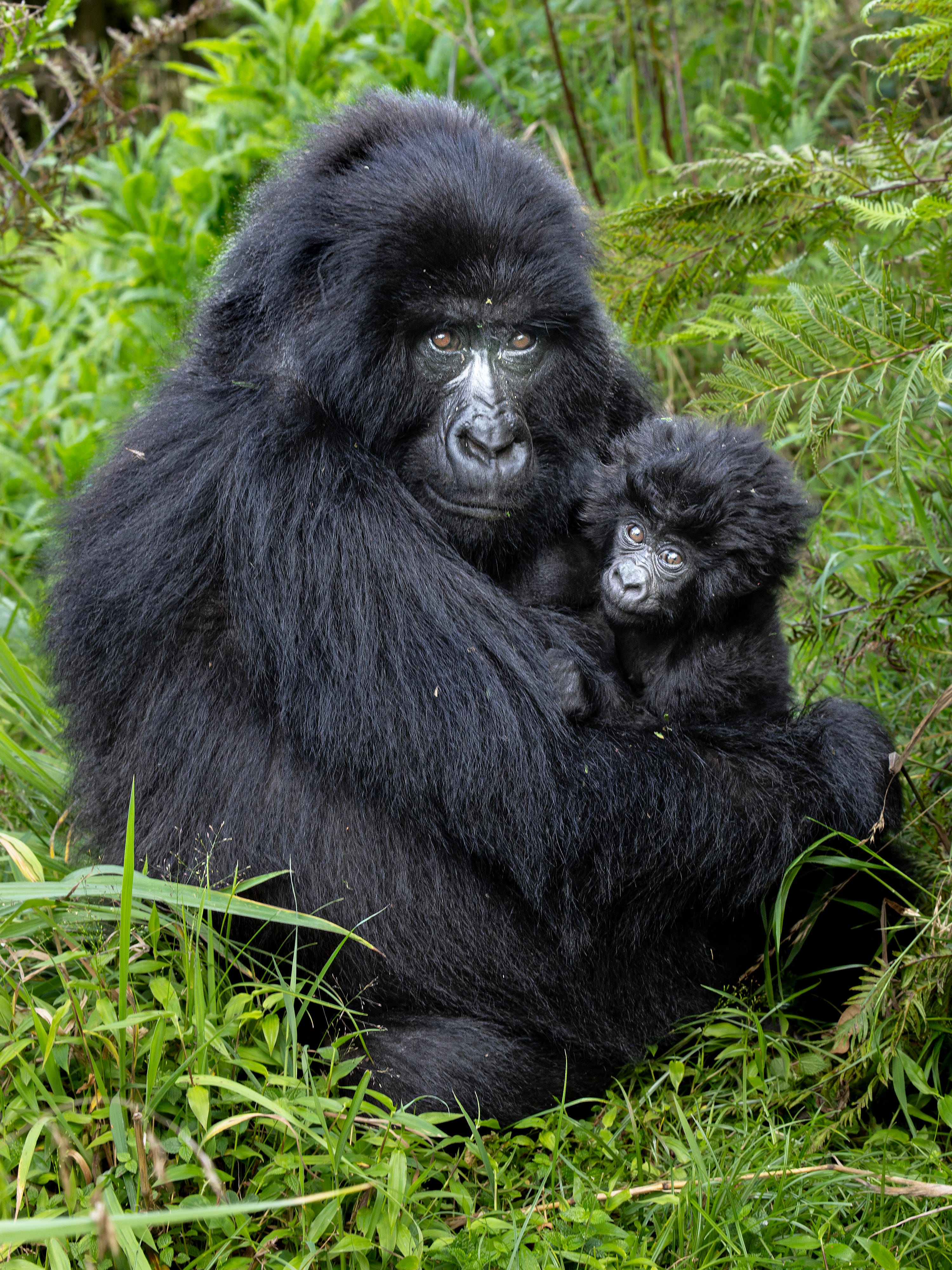
There was a time when many people believed they would disappear entirely. Habitat loss, civil unrest, and poaching pushed them to the brink. Yet through decades of work by local communities, researchers, trackers, conservation organizations, governments, and tourism operators, their numbers have slowly increased.
Today, mountain gorillas are the only great ape whose population is growing.
Every time I sit with a gorilla family in Uganda, I think about how easily that experience might not exist. A different set of decisions could have led to a very different outcome.
The same is true for giant pandas.
For years, pandas were the symbol of endangered wildlife. They seemed fragile, isolated, and destined for decline. Yet habitat protection, reforestation, breeding programs, and long-term commitment changed their trajectory. While challenges remain, giant pandas have become a powerful reminder that recovery is possible when conservation is given enough time and resources.
Then there are bald eagles.
In the United States, bald eagle populations collapsed due to habitat loss, hunting, and the widespread use of DDT. By the 1960s, they had disappeared from much of their historic range.
Today, they soar over rivers, coastlines, and forests across North America.
What changed?
People recognized the problem and took action.
DDT was banned. Habitat was protected. Laws were enforced.
The result is one of the greatest conservation recoveries in modern history.
And then there are humpback whales.
Commercial whaling pushed humpbacks to the edge. In some regions, populations declined by more than 90 percent.
Imagine seeing a humpback whale today and knowing that, not long ago, there was a real possibility future generations might never experience that sight.
Yet international protections were put in place. Hunting largely stopped. Populations began to recover.
Today, humpbacks are once again breaching, singing, and migrating across oceans around the world.
These stories matter because they remind us that conservation is not just about preventing loss.
It’s about creating recovery.
It’s about proving that the future is not predetermined.
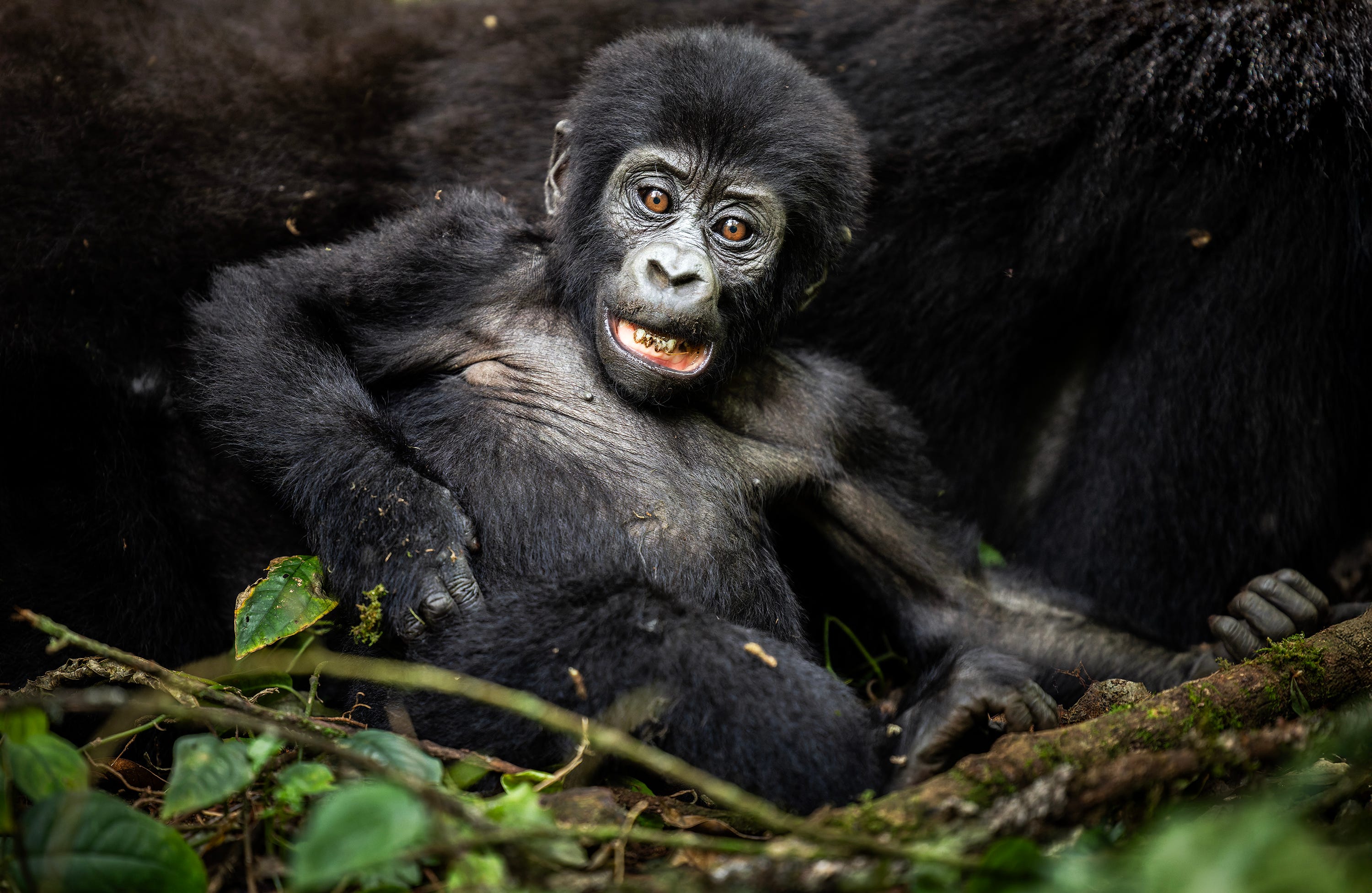
When I visit places like Uganda, Ecuador, Sumatra, Alaska, or the Masai Mara, I often hear people ask whether conservation can really make a difference.
My answer is always the same.
Look at the evidence.
Look at the mountain gorillas.
Look at the giant pandas.
Look at the bald eagles.
Look at the humpback whales.
These animals are still here because people cared enough to act.
Conservation is rarely a single heroic moment. It’s thousands of small actions repeated over years and decades. Researchers collecting data. Rangers protecting habitat. Communities choosing coexistence. Donors supporting projects. Photographers telling stories. Travelers spending their tourism dollars in the right places.
Individually, those actions may seem small.
Together, they can change the fate of a species.
As someone who spends much of my life searching for wildlife around the world, I find enormous hope in that.
Because if we helped bring mountain gorillas back from the brink, what else is possible?
If humpback whales can recover after industrial-scale whaling, what other species can recover?
If bald eagles can once again become a common sight across North America, what other conservation victories are waiting to be written?
The challenges facing wildlife are real.
But so are the successes.
And sometimes, when the news feels particularly heavy, I think it’s worth remembering that some of the greatest conservation stories in history are proof that people can make a difference.
So I’m curious:
Which conservation success story gives you the most hope?
Quote of the Week
It always seems impossible until it’s done.
— Nelson Mandela
Alaska Bear Camp Openings
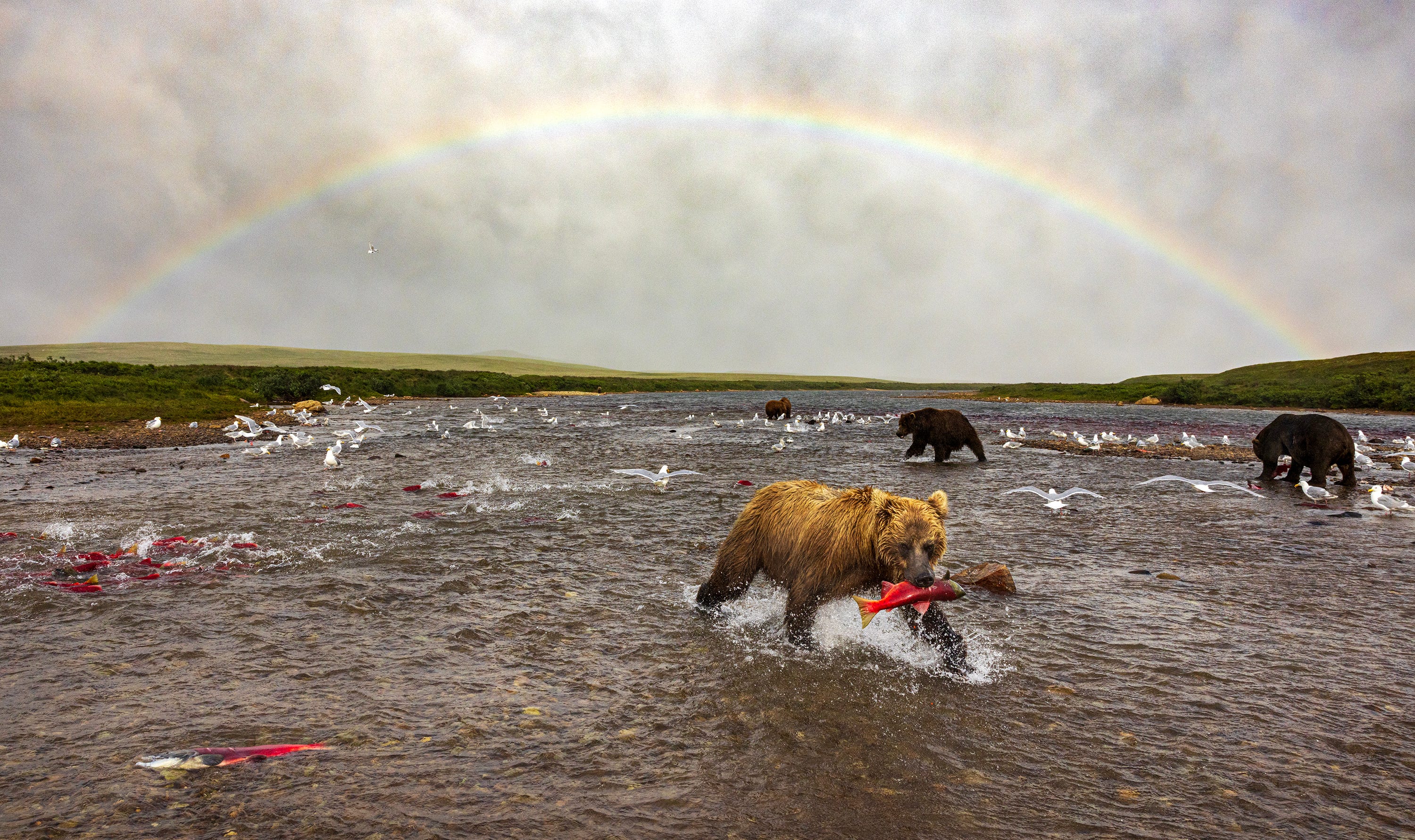
We now have just two spots left on our August 16–20 Alaska Bear Camp. Of all the places I’ve been fortunate enough to visit around the world, this remains my favorite place on Earth. We’ll be there during the peak of the salmon run, when we typically see 20 to 40 brown bears each day fishing for red salmon right in front of us. If you’ve ever dreamed of experiencing wild brown bears in Alaska, I’d love to have you join us. Please send me a message if you’re interested.
Thank you for being part of The Wildlife Collective. Together, we are helping build a deeper connection between people and the natural world while supporting the conservation of wildlife and wild places. Stay tuned for more stories from the field, conservation news, photography tips, and unforgettable wildlife encounters from around the globe.
Until next time, keep exploring, keep learning, and keep falling in love with the wild.
Zac Mills
The Wildlife Collective