
There’s a paradox at the heart of wildlife photography that took me years to fully understand: the more you show, the less powerful your work becomes.
I’ve spent time studying the photographers I most admire, the ones whose names carry genuine weight in this industry. What strikes me, every time, isn’t the size of their portfolios. It’s the ruthlessness of their editing. These are people who have spent decades in the field, who have hard drives filled with hundreds of thousands, if not millions, of images. And yet when you visit their websites, you might find forty photographs. Sixty, if they’re feeling generous.
That restraint isn’t accidental. It’s the whole point.
Volume is the enemy of impact
When a visitor lands on a gallery of 300 images, something subtle happens in their brain. They stop looking for greatness and start scrolling for completion. The experience shifts from encounter to browse. And in browse mode, even your finest work gets consumed the same way people consume social media: quickly, passively, and without the weight it deserves.
Your best image, the one that stops people mid-scroll, the one that makes them lean toward the screen, deserves better than to be sandwiched between 299 others competing for the same few seconds of attention.
Curation is itself a skill
Here’s something the photography world doesn’t talk about enough: the ability to look at your own work with clear eyes and identify the twenty images that truly matter is one of the hardest skills to develop. It requires setting aside attachment to the memory of how difficult a shot was to get, or how far you travelled to get it, or how many hours you waited in the rain.
The photographers who are celebrated over the long term have mastered this skill. They are known for specific, iconic images, frames that enter the cultural vocabulary of wildlife photography and stay there. Not because they shot more than everyone else, but because they showed less.
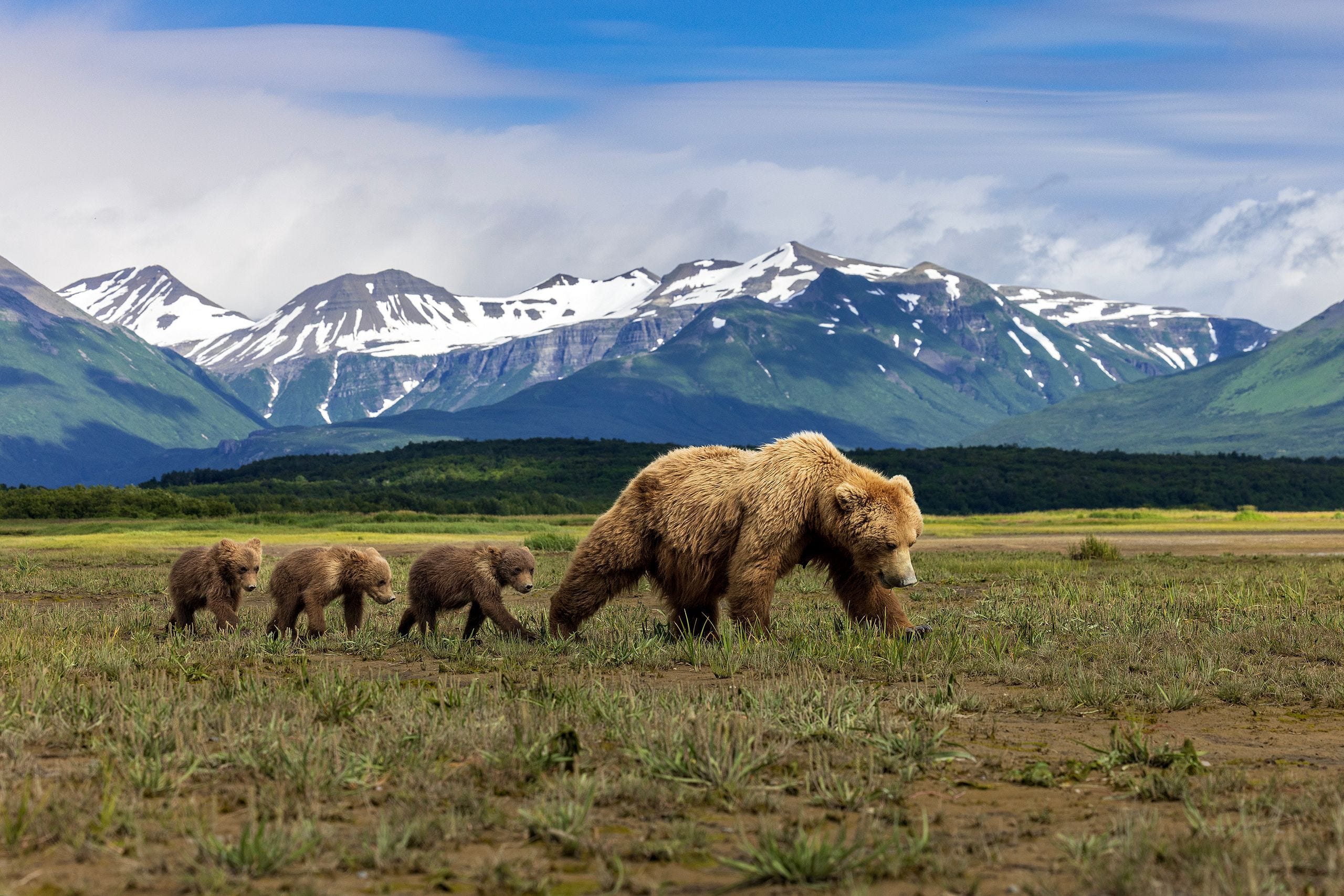
What a curated gallery actually signals
When someone visits your portfolio and finds sixty exceptional images, organised with intention, every single one earning its place, that communicates mastery. It says: I have seen so much, been to so many places, made so many images, that I can afford to be this selective. That is a completely different message than a gallery that keeps going and going, where the quality gradually softens as you scroll.
Abundance without curation signals insecurity. Restraint signals confidence.
The archive and the portfolio are not the same thing
None of this means your other work does not have value or a place. It absolutely does. But that place is a shop, a print archive, or a client facing library, not your main portfolio. The portfolio is your artistic statement. It is your edit of the world. It answers a much harder question: who are you as a photographer, and what do you stand for? That question deserves a precise, intentional answer, not an exhaustive one.
The proof is not in how much you show. It is in how it feels to move through your work. Are the images so consistently strong, so undeniably intentional, that there is no doubt in the viewer’s mind?
This is a powerful photographer.
Because in the end, it is not what you include that defines you. It is what you are willing to leave out.
Quote of the Week
You can look at a picture for a week and never think of it again. You can also look at a picture for a second and think of it all your life.
— Joan Miró
Conservation News
World Bear Day: Why It Matters More Than You Think
March 23 came and went quietly for most people. No headlines. No big campaigns. No sense of urgency. But it was World Bear Day. And for me, that day always lands a little differently.
Because bears are not just another species on a list. They have shaped the way I see the wild. They have challenged me, humbled me, and, over time, completely changed me. I grew up afraid of them. Now, I spend my life walking among them.
That shift didn’t happen overnight. It came through time in the field. Through long days sitting in silence as a mother and her cubs moved through a meadow. Through moments where everything in your body tells you to be alert, but everything in your experience tells you that calm is the right response. Through learning, slowly, that fear often comes from distance, and respect comes from understanding.
World Bear Day is a reminder of that. But more importantly, it’s a reminder of what’s at stake.
There are eight species of bears left on this planet. From the polar bear on the thinning sea ice, to the Andean bear moving quietly through cloud forests, to the sun bear hidden deep in Southeast Asia’s rainforests. Each one is facing its own set of pressures. Habitat loss. Climate change. Conflict with humans. In some cases, exploitation that is hard to even comprehend.
And yet, despite all of that, bears endure.
I’ve watched brown bears in Alaska fishing with a kind of patience that feels almost meditative. I’ve seen Andean bears appear like ghosts out of the Spanish moss, feeding high in the mountains where few people ever go. I’ve followed tracks in the snow and realized, suddenly, that I was not alone out there.
These are not just wildlife encounters. They are reminders that we are part of something much bigger. World Bear Day is not about celebration in the usual sense. It’s about awareness. Responsibility. Perspective.
Because the future of bears is tied directly to the choices we make. How we protect landscapes. How we manage conflict. How we value wildlife, not as something to control or exploit, but as something to coexist with.
And maybe that’s the real point. Not just to admire bears, but to understand what they represent. Wild places that are still intact. Ecosystems that still function. A world that still has room for something powerful, unpredictable, and free.
March 23 is just one day. But the work, and the responsibility, is every day after that.
Tour Updates
I am currently planning more than a dozen new tour dates, and things are coming together quickly behind the scenes. We’ve already made strong progress on several, including Bears and Wolves in Alaska for September 2027, Andean Bears in Colombia in January 2027, and the new polar bear location I mentioned. There are a number of others in development as well, and I’m really excited about how this next round of tours is shaping up.
I expect to have all of the tour pages ready soon, with full details on each itinerary, but if any of these destinations are already on your radar, please let me know as soon as possible. A number of these trips may sell out before they are even officially posted, especially with the small group sizes we keep. I’m aiming to have many of these ready to announce before I leave for our India Tigers tour on April 15, so there should be a lot to share very soon.
2026 Tours with Availability
June 16-24: Bolivia Jaguars on Foot (4 spots)
Sept 2-9: Kenya Big Cat Safari (2 spots)
Sept 13-21: Brazil Jaguars (4 spots)
*NEW Oct 19-26: Exclusive Polar Bears (2 spots) COMING SOON!
*NEW Nov 24-30: Mountain Gorillas (3 spots)
*NEW Nov 30 – Dec 5: Mountain Gorillas (3 spots)
Feel free to reply to this email with any questions, feedback, or just to share your latest wildlife photos. Feel free to share this message with fellow nature lovers, too—let’s grow this community together!
Thank you for being a part of The Wildlife Collective community. Stay tuned for more updates, conservation news, and incredible wildlife encounters!
Best regards,
Zac Mills
The Wildlife Collective